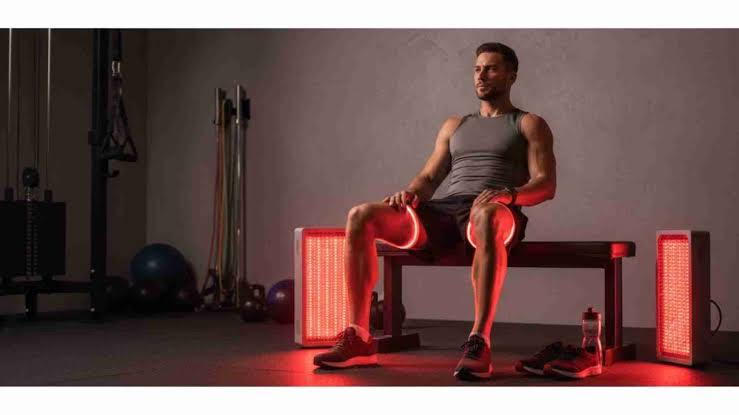
Why Athletes Are Turning to Red Light Recovery for Performance
Athletic performance depends on workouts, rest, and preparation. Recovery habits can affect comfort and readiness for the next session. Red and near-infrared light systems now attract interest as a noninvasive option with no usual downtime. This article explains why athletes add this method to broader recovery plans.
Support After Demanding Workouts
Hard sessions can leave muscles tired and sore. Redlight Recovery uses selected wavelengths that reach tissue at different depths. Athletes may use it after strength work, endurance exercise, or team practice. The goal is to support natural cellular processes tied to recovery.
Red light does not replace sleep, nutrition, hydration, or medical treatment. It works best within a structured routine. A sports professional can help decide where it fits. Results may differ by device, dose, and schedule.
Full-Body Access for Busy Athletes
A full-body booth can expose several muscle groups in one session. This may suit athletes who train the whole body. The Spectrum 7 uses seven red and near-infrared wavelengths in a stand-up system. Its listed treatment time is ten minutes.
Short visits can fit after practice or beside other recovery services. Commercial systems can also serve teams and fitness facilities. Simple controls reduce setup demands for staff. Regular access may make the method easier to use each week.
A Practical Choice for Muscle Comfort
Athletes often seek options that place little extra stress on the body. Redlight Recovery requires no needles or standard post-session downtime. It may appeal to people who prefer a calm method after hard exercise. Sharp, severe, or persistent pain still needs medical review.
Details That Shape a Session
Light exposure depends on more than session length. Output, distance, and body position affect the delivered dose. Useful points to review include:
- Wavelengths produced by the system
- Distance from the light source
- Total exposure time
- Manufacturer limits and instructions
A provider should explain these details before the first visit. Athletes should ask about eye protection, skin sensitivity, and medicines. Clear records can help keep sessions consistent. More exposure does not guarantee a better result.
Support for a Consistent Training Plan
A recovery method has value when it fits a reliable schedule. Reduced discomfort may help some athletes return to planned activity with better readiness. The light itself does not create strength, speed, or endurance. Performance still depends on sound coaching and gradual workload changes.
Athletes can track sleep, soreness, energy, and workout quality for several weeks. Those notes may show if the method adds practical value. A coach or clinician can compare results with other habits. This keeps decisions grounded in patterns instead of hype.
A Role Beside Other Recovery Methods
Fitness centers may place red light sessions near cold plunges, massage, or mobility work. The mix gives athletes several post-workout options. Each method should have a clear purpose and sensible schedule. Too many changes at once can make results hard to assess.
A simple trial period can establish a useful baseline. Keep exercise load, sleep, and nutrition as steady as possible. Then review comfort, readiness, and workout quality. This approach helps separate useful feedback from expectations.
Red light systems attract athletes because sessions are brief, noninvasive, and easy to add to established routines. Full-body coverage and several wavelengths may support a broad recovery experience. Clear goals, proper settings, and realistic expectations matter most. The method should complement proven recovery habits, not act as a shortcut to performance.