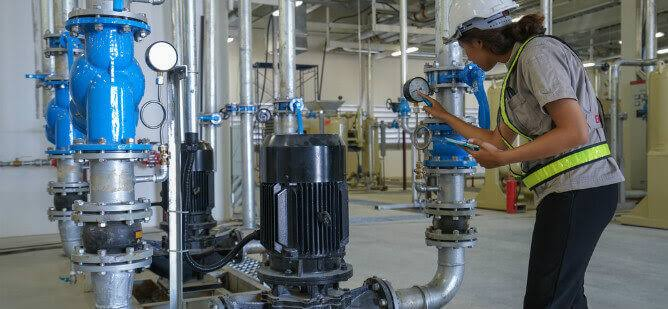
Best Practices for Air Compressor Efficiency in Industrial Facilities
Key Takeaways
- Regular audits and maintenance are essential for identifying and addressing inefficiencies.
- Proper sizing and control strategies can significantly enhance compressor performance.
- Addressing leaks and optimizing system pressure contribute to substantial energy savings.
Table of Contents
- Conducting Regular Air Audits
- Implementing Proactive Maintenance
- Optimizing Compressor Sizing and Control
- Addressing Leaks and Pressure Optimization
- Utilizing Variable Speed Drives
- Recovering Waste Heat
- Training and Employee Awareness
- Monitoring and Data Analysis
Optimizing the efficiency of industrial air compressors is crucial for achieving long-term energy savings and reducing operational costs. With issues like air leaks and improper sizing often resulting in unnecessary losses, adhering to industry best practices is essential for performance reliability. Selecting the right compressor and maintaining a well-structured management strategy ensures a facility operates at its highest potential.
Using a holistic approach that incorporates regular system audits, proactive maintenance, and technology upgrades can pay off through lower utility bills and increased uptime. Addressing inefficiencies before they escalate not only extends equipment life but also optimizes resource allocation throughout the facility. Attention to training and monitoring further supports a culture of accountability, leading to higher productivity and stronger safety standards.
As environmental regulations and energy costs continue to affect industrial sectors, implementing these best practices positions companies to remain competitive and sustainable. Efficient air compressors drive more than machinery; they power productivity. Proper system management is a fundamental component of operational excellence.
For more insight into energy efficiency standards in industry, visit the U.S. Department of Energy’s Advanced Manufacturing Office on compressed air systems.
Conducting Regular Air Audits
Periodic air audits identify inefficiencies in compressed air systems by examining both supply and demand sides. These reviews uncover issues such as leaks, improper use, and pressure drops. Once detected, corrective actions based on audit results can deliver measurable energy reductions and system improvements. Industry experts regularly cite that facilities implementing routine audits often realize double-digit percentage savings in annual energy expenditures.
Comprehensive audits may also include assessments of end-use applications, ensuring that air is only used where truly necessary and that alternative solutions, such as electrically powered tools or vacuum systems, are considered for suitable applications. These strategies can help to reduce compressed air demand further while maintaining necessary production quality. In-depth audits also pave the way for better planning when new equipment or expansion is needed, as facilities can anticipate and accommodate future demands more precisely.
Implementing Proactive Maintenance
System downtime and performance degradation are frequently caused by inadequate maintenance. Establishing a proactive maintenance program that includes routine inspections, timely filter replacements, and drain cleaning ensures compressors function optimally. Addressing minor concerns before they evolve into major mechanical failures significantly reduces costly unplanned repairs and extends compressor lifespan.
Additionally, keeping maintenance logs and investing in predictive maintenance technologies will provide reliability engineers with actionable data to forecast issues well before they become disruptive. By using vibration analysis, oil quality monitoring, and thermal imaging, personnel can better pinpoint areas of concern. These technologies, while requiring an upfront investment, often result in lower total maintenance costs and improved operational reliability over time.
Optimizing Compressor Sizing and Control
Oversized or undersized compressors often lead to wasteful energy consumption and unnecessary system stress. Evaluating actual air demand is key to selecting the right unit and avoiding overinvestment. Advanced control systems, such as load/unload controls or integrated variable-speed drives, enable compressors to adjust their output automatically. This practice aligns supply with real-time requirements, resulting in substantial annual cost reductions.
To learn more about how proper sizing impacts compressor efficiency, consult Plant Engineering Magazine’s guide on optimizing air compressor sizing.
Implementing sequencer control systems in facilities with multiple compressors can further increase efficiency by staging and rotating units based on demand patterns. In some cases, using a central controller enables automatic coordination of all compressed air assets, preventing unnecessary simultaneous operation and optimizing overall system performance.
Addressing Leaks and Pressure Optimization
Air leaks can account for up to 30 percent of a compressor system’s output, resulting in wasted energy and increased operational costs. Regular inspections and prompt leak repairs produce immediate savings. Furthermore, lowering system pressure where possible can further reduce energy costs. For example, decreasing operating pressure by just 10 psi may cut energy consumption by 5 percent, directly benefiting a facility’s bottom line.
Deploying ultrasonic leak detectors for ongoing leak management, coupled with a clear reporting and repair protocol, ensures that leak mitigation remains a consistent and proactive priority. In addition, analyzing demand events and pressure drop locations within the network helps facilities fine-tune the system, potentially identifying bottlenecks or unnecessary restrictions that can be improved to reduce pressure demand across the plant further.
Utilizing Variable Speed Drives
Variable-speed drives (VSDs) enable compressors to adjust motor speed to meet changing air demand automatically. This adaptability is especially advantageous for facilities with fluctuating operational requirements. By running the compressor only as needed, VSDs reduce wasted electricity and lower wear on critical components. The result is not just energy efficiency but also improved overall system reliability.
Implementing VSDs can also reduce maintenance needs, as compressors operating at balanced loads experience fewer stress cycles and overheating incidents. When combined with advanced control algorithms, VSDs can actively manage energy consumption during peak tariff periods, further lowering overall facility expenses and supporting demand response initiatives within energy markets.
Recovering Waste Heat
During compression, large amounts of heat are generated and often dissipated to the atmosphere. Heat recovery systems can transform this byproduct into useful energy for other facility processes, such as space or water heating. Implementing waste heat recovery can improve overall facility sustainability and align operations with energy conservation goals.
Investigating options such as heat exchangers for preheating boiler feedwater or redirecting exhaust to production drying systems enables operators to utilize a compressor’s waste heat fully. This approach not only saves on direct energy costs but may also improve facility comfort, especially during colder seasons, adding intangible value to the workplace environment.
Training and Employee Awareness
Compressor efficiency is maximized when employees understand and follow best operational practices. Conducting ongoing training not only empowers staff to spot and address issues but also promotes a culture of continuous improvement. Employee engagement helps organizations meet efficiency targets and resolve operational issues swiftly.
Establishing an internal recognition or incentive program for employees reporting energy-saving opportunities can motivate widespread participation in energy management efforts. Educational campaigns and visual reminders near compressor stations further reinforce desired practices, helping to ensure everyone on-site stays proactive and vigilant in maintaining optimal efficiency.
Monitoring and Data Analysis
Installing modern monitoring systems enables facilities to gather critical performance metrics for compressors. Continuous data collection and analysis facilitate trend recognition, predictive maintenance scheduling, and informed decision-making. Harnessing analytics supports ongoing system optimization and preempts costly or disruptive breakdowns.
Cloud-based platforms and industrial IoT solutions have made it easier than ever to centralize compressor data from multiple sites, enabling actionable insights and benchmarking to guide strategic improvements. With real-time alerts, visual dashboards, and automated reporting, management teams can respond more quickly to anomalies, unlock hidden efficiencies, and deliver measurable progress toward organizational goals.
Incorporating these best practices ensures industrial facilities can achieve and sustain substantial improvements in air compressor efficiency. With ongoing technological innovations and heightened attention to environmental responsibility, organizations prepared to optimize their compressed air systems will gain long-term competitive advantages.