Essential Equipment for Confined Space Rescue: What Your Team Needs
Key Takeaways
- Understanding the specific hazards of confined spaces is vital for selecting appropriate rescue equipment.
- Essential equipment includes personal protective gear, atmospheric monitoring devices, and specialized rescue tools.
- Regular training and equipment maintenance are critical for effective rescue operations.
Table of Contents
- Understanding Confined Space Hazards
- Essential Rescue Equipment
- Personal Protective Equipment (PPE)
- Atmospheric Monitoring Devices
- Retrieval Systems
- Communication Tools
- Training and Maintenance
- Conclusion
Ensuring your team’s readiness for confined space rescue operations is one of the most important aspects of workplace safety in hazardous industries. Whether you are preparing new team members or updating training protocols, understanding what is needed and why can mean the difference between a controlled operation and a preventable accident. When reviewing your confined space rescue equipment, it is crucial to assess both the unique environment and the types of emergencies that might arise.
There is no one-size-fits-all approach to safe rescues. Every situation presents new challenges and risks, from atmospheric hazards to restricted mobility and limited exits. Your team’s safety and the success of an operation depend on methodical preparation, access to specialized tools, and routine skills-based training. Preparing for these scenarios in advance provides confidence that your team can respond efficiently and effectively.
While tools and training are core to successful rescues, the right mindset also matters. Leaders must cultivate an environment where safety is prioritized, hazards are consistently evaluated, and communication is never overlooked. As guidelines and best practices evolve within this specialized field, teams need regular refreshers to stay compliant and proficient.
Equipping rescue personnel takes more than supplying gear. It means implementing ongoing review processes, monitoring new technologies, and understanding current regulatory requirements. A comprehensive approach ensures preparedness at every level.
Understanding Confined Space Hazards
Confined spaces in the workplace can harbor a range of hidden dangers. These areas often have tight entry and exit points, inadequate ventilation, and atmospheric risks like toxic gases or depleted oxygen. The U.S. Occupational Safety and Health Administration (OSHA) defines confined spaces as spaces large enough for workers to enter, with restricted means for entry or exit, and spaces not designed for continuous occupancy. Proper hazard recognition is the foundation of any successful rescue strategy. Teams must be able to identify chemical, physical, and environmental threats before initiating any entry or extraction procedures. Unaddressed hazards can quickly escalate into life-threatening emergencies. Refer to reliable resources like the OSHA Confined Spaces guide for a comprehensive understanding of regulatory requirements and hazard types.
Essential Rescue Equipment
Confined space rescue operations require more than basic safety gear. Your team’s kit should be tailored according to the unique hazards of the space in question. The most important categories of equipment are personal protective equipment (PPE), atmospheric monitoring devices, retrieval systems, and communication tools. Each of these has a critical role in keeping rescuers and victims safe while ensuring rescue operations can proceed smoothly and efficiently.
- Personal Protective Equipment (PPE)
- Atmospheric Monitoring Devices
- Retrieval Systems
- Communication Tools
Personal Protective Equipment (PPE)
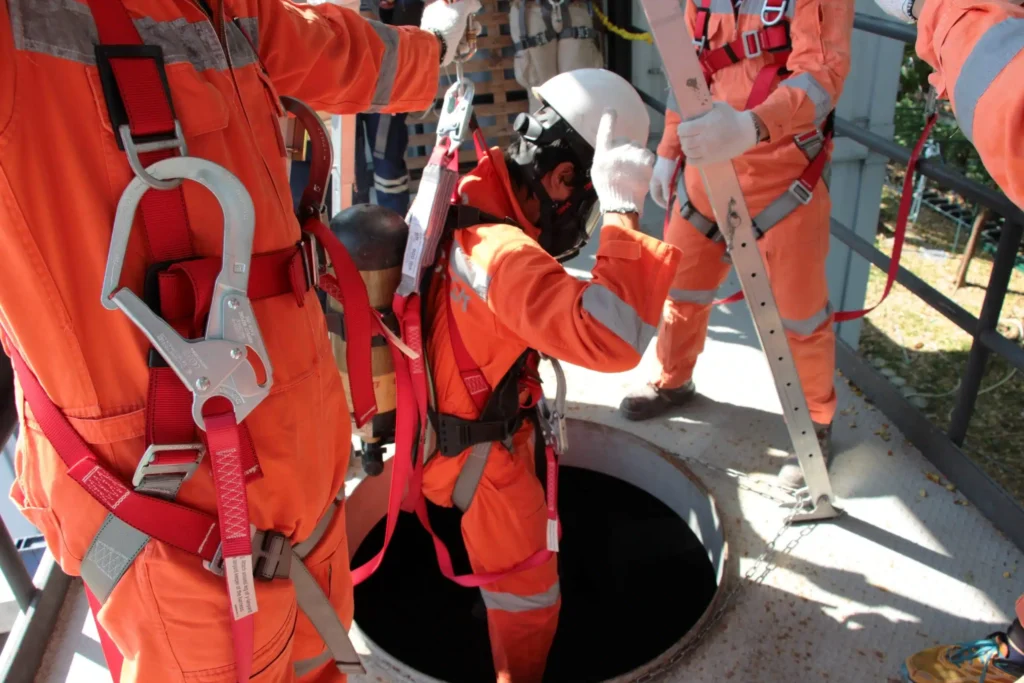
Personal protective equipment provides a barrier against physical and environmental hazards. At a minimum, PPE for confined space rescue should include:
- Full-Body Harnesses: Used for attaching to retrieval and fall protection systems, allowing secure lifting or lowering of rescuers and victims.
- Helmets: Essential for protecting against impacts and falling debris in tight spaces.
- Gloves: Necessary for protecting hands from sharp edges, chemicals, or abrasive surfaces.
- Protective Clothing: Shields rescuers from hazardous substances, heat, or cold as well as mechanical hazards in the environment.
Atmospheric Monitoring Devices
Atmospheric risks, such as the presence of hazardous gases or lack of oxygen, can turn routine entries into dangerous emergencies. Reliable monitoring devices are crucial. These devices should routinely check for:
- Oxygen levels
- Flammable gases
- Toxic or noxious substances
Regular calibration and testing of these monitors guarantee accurate and real-time data. Equipment should always be properly maintained and replaced before the end of its service life. Inadequate monitoring not only places workers at risk but can also delay critical interventions.
Retrieval Systems
Efficient and reliable retrieval systems can dramatically improve the chances of a successful rescue. Typical setups include:
- Tripods and Davit Arms: Portable anchor systems designed to give stability above confined spaces for vertical rescues.
- Winches: Mechanical devices that allow controlled movement of individuals, reducing manual strain and risk during retrieval.
- Ropes and Pulleys: Key for maneuvering around obstacles and supporting complex rescue maneuvers in hard-to-reach spaces.
Frequent inspections and compliance with manufacturer recommendations ensure these systems function safely in high-stress scenarios. Teams should practice system deployment as part of their routine drills to minimize costly mistakes.
Communication Tools
Efficiency and safety during rescues are closely linked to clear, continuous communication. Equipment to consider includes:
- Two-Way Radios: Provide reliable communication for team members inside and outside the confined space.
- Hardwired Communication Systems: Necessary in environments where electronic interference or structural barriers may impact radio signals.
Practice using these tools during drills so every team member stays connected in high-pressure situations. Good communication shortens response times and helps coordinate efforts during rapidly evolving emergencies.
Training and Maintenance
Successful rescue operations depend on both technical expertise and familiarity with equipment. Teams must schedule regular skills training and update their knowledge of equipment advancements. Key practices include:
- Thoroughly inspecting equipment before and after each use
- Conducting regular realistic rescue drills
- Staying alert to new safety standards, emerging risks, and updated regulations
Continuous improvement is critical for both compliance and team readiness. Refer to authoritative sources like the CDC’s confined space resource page for additional guidance on ongoing training, health, and maintenance protocols.
Conclusion
Ensuring confined space rescue readiness is an ongoing commitment involving proper hazard identification, equipping your team with specialized gear, fostering good communication, and reinforcing knowledge through regular training and equipment reviews. By taking these steps, organizations create safer environments for their teams while ensuring rapid, competent response in emergencies.