Nashville’s Real Estate Landscape in 2026: Neighborhood Trends and Market Insights
Key Takeaways
- Affordability Drives Growth: Neighborhoods like Antioch and Madison are experiencing increased demand due to more affordable housing options.
- Luxury Market Expands: High-end buyers are exploring areas like Green Hills and Marrowbone for upscale properties.
- Market Stabilization: The overall real estate market in Nashville is becoming more balanced, offering opportunities for both buyers and sellers.
Nashville’s real estate market is undergoing significant transformations in 2026, with distinct neighborhood trends emerging across the city. For those looking to navigate this dynamic environment, partnering with Nashville TN real estate experts Onward Real Estate can provide invaluable guidance. As a locally owned brokerage deeply committed to Middle Tennessee, Onward Real Estate offers personalized support and deep market expertise to help clients make informed decisions.
Affordability Fuels Demand in Emerging Neighborhoods
As Nashville’s median home prices have climbed to around $500,000, affordability has become a significant factor for many homebuyers. This trend has led to increased interest in neighborhoods such as Antioch and Madison, where median home prices are notably lower. For instance, Madison’s 37115 ZIP code boasts a median price of $345,000, making it one of the city’s most affordable areas. This shift highlights the growing importance of cost-effective housing options in Nashville’s real estate market.
This affordability trend is not only attracting first-time homebuyers and young professionals but is also catching the attention of investors who view these areas as having strong long-term growth potential. Recent development projects in places like Antioch are expanding access to new restaurants, retail, and entertainment venues, thereby enhancing neighborhood appeal and spurring further development. As the city continues to invest in infrastructure and community amenities in these areas, affordability is likely to remain a key driver of demand.
Luxury Market Expands to New Frontiers
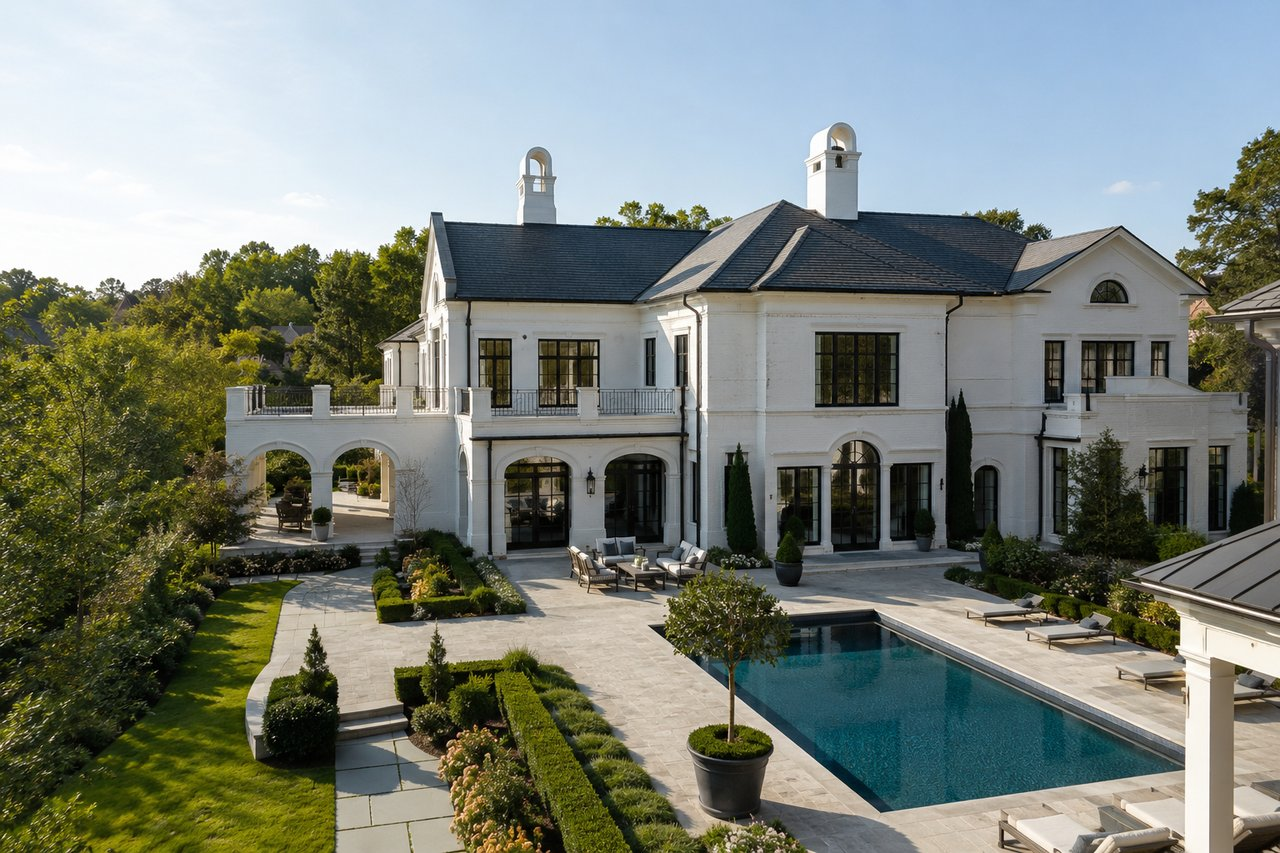
While affordability drives some segments, the luxury market in Nashville is also experiencing growth. High-end buyers are increasingly looking beyond traditional upscale neighborhoods. Areas like Green Hills have dominated recent top home sales, with properties ranging from $4 million to $5.25 million. Additionally, the Marrowbone area, known for its expansive acreage and farm-like settings, is attracting luxury buyers seeking privacy and space.
The luxury segment has seen custom builders introducing innovative architectural designs and upscale amenities, catering to discerning buyers. Proximity to elite schools, boutique shopping, and culinary destinations further heightens these neighborhoods’ desirability. Outlying towns like Belle Meade and Forest Hills are also seeing record sales, as evolving lifestyle preferences lead buyers to seek out larger lots and more exclusive communities while maintaining convenient access to downtown Nashville and its cultural attractions.
Market Stabilization Offers Balanced Opportunities
After a period of rapid growth and high demand, Nashville’s real estate market is showing signs of stabilization. This balance provides more negotiation opportunities for buyers and a more predictable environment for sellers. With over 1,600 pending sales in December 2025, the market remains active, yet less volatile than in previous years. This trend suggests a more sustainable growth pattern for Nashville’s housing market.
This shift is being welcomed by many participants, as homes are taking a bit longer to sell, giving buyers additional time for due diligence and providing sellers with more realistic expectations. Multiple-offer situations are still present in some in-demand neighborhoods, but the intensity has cooled compared to the frenzied pace seen in the early 2020s. This moderation allows for a healthier transaction environment, where both sides can feel more confident and less pressured. As inventory slowly grows, market watchers anticipate further stabilization, making it a good time for both move-up buyers and downsizers to review their options.
Emerging Neighborhoods to Watch
Several neighborhoods are gaining attention due to their unique offerings and growth potential:
- The Gulch: Known for its high-rise condos and vibrant nightlife, The Gulch continues to attract young professionals seeking an urban lifestyle.
- East Nashville: With its artistic vibe and historic charm, East Nashville remains a hotspot for creatives and families alike.
- Germantown: This historic area has seen revitalization, blending old-world charm with modern amenities, making it appealing to a diverse range of buyers.
Other up-and-coming districts like Wedgewood-Houston and Sylvan Park are seeing an influx of restaurants, breweries, and local shops, alongside residential construction. These developments generate excitement and bring together community-minded residents, supporting property value appreciation. Local zoning changes and public transportation improvements are also helping to drive increased interest in neighborhoods previously overlooked, as they become more accessible and liveable for a broader spectrum of Nashvillians.
Impact of Economic Factors on Neighborhood Trends
Economic factors, including mortgage rates and employment opportunities, significantly influence neighborhood trends. As mortgage rates stabilize, buyers are more confident in exploring various neighborhoods, leading to a more dynamic market. Additionally, Nashville’s robust job market continues to attract new residents, further impacting housing demand across different areas.
The city’s thriving healthcare, technology, and music industries play a pivotal role in supporting long-term growth, with employers regularly drawing talent from across the nation. The ripple effects of this employment boom can be seen in the demand for both rental and owner-occupied homes. Furthermore, remote and hybrid work trends have encouraged some buyers to prioritize neighborhoods offering space for home offices, outdoor amenities, and high-speed internet connectivity, supporting growth in both urban and suburban regions of Nashville.
Future Outlook for Nashville’s Neighborhoods
Looking ahead, Nashville’s neighborhoods are expected to continue evolving. The balance between affordability and luxury, coupled with economic stability, suggests a promising future for the city’s real estate market. Buyers and investors should stay informed about these trends to make strategic decisions.
Developers and city planners are increasingly focused on smart growth initiatives, including green spaces, mixed-use developments, and expanded transit, which are expected to enhance livability and long-term value. Neighborhoods with ongoing infrastructure investments are likely to stay at the forefront of buyer interest. Whether seeking vibrant urban living, suburban convenience, or a tranquil retreat, Nashville’s diverse neighborhoods offer options that cater to nearly every lifestyle. With careful planning and guidance, residents and investors alike are poised to benefit as Music City’s communities continue to flourish.
Conclusion
Nashville’s real estate market in 2026 reflects a dynamic interplay between affordability, luxury, and market stabilization. By understanding neighborhood-specific trends, stakeholders can navigate the market effectively, ensuring successful real estate endeavors in Music City.