STAR Interview Method: Answering Questions with Confidence
Key Takeaways
- Understand the STAR method to structure your interview responses effectively.
- Learn how to apply the STAR framework to common behavioral interview questions.
- Discover tips for practicing and delivering STAR responses with confidence.
Table of Contents:
- Introduction
- Understanding the STAR Method
- Applying the STAR Method to Behavioral Questions
- Common Mistakes to Avoid
- Practicing Your STAR Responses
- Enhancing Your Delivery
- Conclusion
The STAR interview method is a powerful tool that can help you organize your thoughts and deliver clear, compelling responses in interviews. Interviewers want more than just a list of skills; they are looking for real-world examples of how you have handled challenges and delivered results. By using a structured approach like the STAR method, you can ensure your answers are both relevant and memorable. If you are aiming to make your responses stand out, learning this technique is crucial. For specific scenarios and tips, see these STAR interview questions for inspiration and guidance.
Behavioral interview questions can seem daunting, but with preparation and the right strategy, you can approach them with confidence. Whether you are new to interviewing or looking to refine your approach, mastering the STAR method will help you communicate your strengths clearly. Understanding not just how to answer, but what interviewers are looking for, is the key to success.
This guide outlines how the STAR method works and shows you how to apply it to different types of behavioral questions. From preparation through practice, you will gain the strategies needed to make the most of your experiences and communicate them with impact. The STAR method is recognized by hiring managers across industries as a best practice for structured interview responses.
Discover how you can leverage this method to give answers that illustrate your skills and show your potential as a future employee.
Understanding the STAR Method
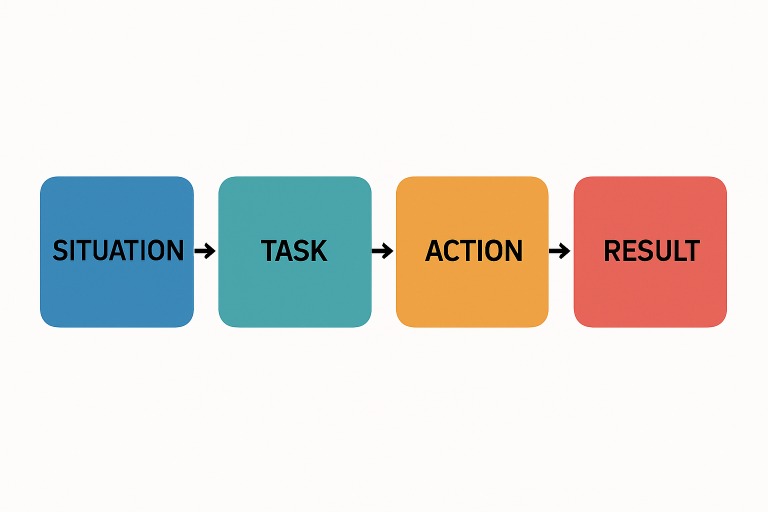
The STAR method stands for Situation, Task, Action, and Result. It provides a consistent framework for answering behavioral questions by sharing concise, relevant, and impactful stories from your background. Interviewers ask behavioral questions to understand how you handle common workplace scenarios, such as conflict, teamwork, and deadlines. The STAR method ensures your answer covers all aspects necessary to convey your effectiveness and critical thinking.
- Situation: Set the stage by describing the context where your experience took place.
- Task: Clarify the specific responsibility or challenge you faced in that situation.
- Action: Detail the steps you personally took to overcome the challenge or fulfill your task.
- Result: Explain the outcome, focusing on measurable results or positive impact achieved.
Using STAR helps interviewers visualize your approach to problems and see how you could fit in their organization. For more in-depth background, you might consult the Wikipedia page on the STAR method.
Applying the STAR Method to Behavioral Questions
Behavioral interview questions often start with prompts like, “Describe a time when…” or “Can you give an example of…” To answer these questions successfully using the STAR method, you need to prepare real-life examples from your previous jobs, internships, or academic experiences and structure your response as follows:
- Situation: Briefly outline the who, what, and where of your story, sticking to the essential details.
- Task: Give context about your role—what goal did you need to achieve, or what problem did you need to solve?
- Action: Focus on your specific contributions rather than what the team did collectively.
- Result: Summarize the final outcome, including any acknowledgments received or metrics that demonstrate success.
Example:
- Situation: In my previous position, our team missed an important project milestone, leading to client dissatisfaction.
- Task: As the team leader, I was responsible for addressing the client’s concerns and realigning our team’s priorities.
- Action: I immediately contacted the client to apologize and arranged an emergency meeting with my team to develop a revised project plan with clear deadlines.
- Result: By providing frequent updates, we regained the client’s trust and completed the project three days ahead of the new schedule.
Using this approach ensures your answers are concise, relevant, and persuasive, helping you stand out even in competitive interview settings.
Common Mistakes to Avoid
Even with a structured method, candidates sometimes fall into common traps. Some pitfalls to watch out for:
- Being Vague: Providing generic or unclear details weakens your answer. Ground your stories in specific examples.
- Sharing Too Much Information: Overly detailed stories can distract from your main point. Stay focused and concise.
- Missing the Result: Ending your answer without explaining the outcome leaves your story incomplete and diminishes its impact.
Avoiding these mistakes will make your answers stronger and easier for interviewers to follow.
Practicing Your STAR Responses
Preparation is essential to mastering the STAR interview technique. Here are some effective steps:
- Identify Your Best Stories: Look for experiences that are impressive, relevant to the job, and that showcase your skills or growth.
- Outline Your Stories: Write your experience using the STAR format so you can easily recall the key points.
- Practice Aloud: Say your responses out loud, either alone or to a trusted friend, to improve clarity, confidence, and timing.
Practicing helps you sound natural and confident, rather than rehearsed or robotic. Using recordings or mock interviews will also help you catch verbal fillers or overly long answers, making your delivery more polished.
Enhancing Your Delivery
Alongside your answer structure, your delivery also makes a strong impression. Consider the following techniques to maximize your impact:
- Maintain Eye Contact: Engages your interviewer and signals confidence.
- Use Positive Body Language: Sit up straight, use natural gestures, and avoid nervous movements.
- Manage Your Speaking Pace: Pause between key points for emphasis and allow the interviewer to process your answer.
Your non-verbal communication is just as important as your verbal answers, shaping the interviewer’s perception of your confidence, enthusiasm, and professionalism. When you combine polished delivery with well-prepared stories, you can create a powerful and memorable impression.
Conclusion
Mastering the STAR method gives you a robust framework for answering behavioral interview questions with clarity. This approach ensures your responses are both comprehensive and concise, allowing you to showcase your strengths with confidence. With careful preparation and deliberate practice, you can turn your real-life experiences into compelling stories that leave a lasting impact in any interview scenario.