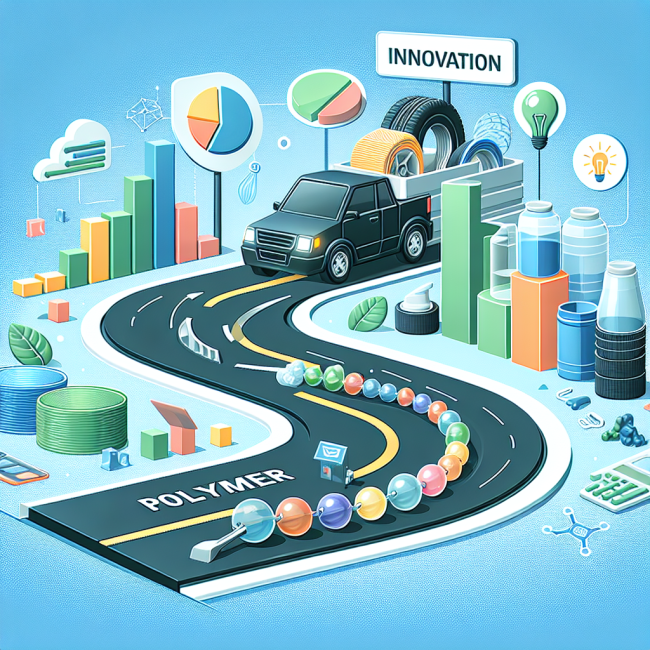
Polymer Materials in Modern Manufacturing: Applications, Advancements, and Future Trends
Table of Contents
- Applications of Polymers in Manufacturing
- Advancements in Polymer Processing
- Sustainable Polymer Innovations
- AI Integration in Polymer Manufacturing
- Future Trends in Polymer Manufacturing
- Conclusion
Polymer materials are reshaping the manufacturing landscape, being widely adopted for their efficiency and versatility in modern industry. Their lightweight structure, durability, and cost-effectiveness make them indispensable in applications ranging from automotive to aerospace. For those seeking innovative and durable solutions, the rise of Polymer Flooring Products highlights how polymers are contributing to safer and more resilient industrial environments. As manufacturing demands evolve, polymer materials stand out not only for their adaptability across sectors but also for their key role in driving process innovation and sustainability. Whether used for lightweight components in electric vehicles or for tough, flexible packaging, polymers are at the forefront of technology-driven manufacturing progress worldwide.
Applications of Polymers in Manufacturing
Polymers have fundamentally changed manufacturing, introducing lighter, more flexible, and more durable materials compared to traditional metals and ceramics. Their unique chemical structure allows manufacturers to fine-tune properties like heat resistance, elasticity, and impact strength, making them ideal for a range of industries. The automotive sector, for example, uses polymers for dashboards, bumpers, insulation, and even under-the-hood components, reducing vehicle weight and improving fuel efficiency. Aerospace manufacturers benefit from the ability to create strong, lightweight parts that meet stringent safety and performance standards. In the packaging industry, polymers offer clarity, toughness, and sealability, protecting products while reducing shipping weight and material costs. As demand for advanced materials continues to grow, polymers are also making inroads in medical devices, electronics, and construction.
In the construction industry, polymers are rapidly replacing heavier materials for piping, window frames, insulation foams, and even roofing membranes. These applications benefit from polymers’ corrosion resistance and design flexibility, resulting in longer-lasting structures and lower maintenance. In electronics, polymers are critical for insulating wires and components and for protecting sensitive equipment from moisture and mechanical stress. The versatility of polymers enables developments such as flexible displays and lightweight, impact-resistant casings for smartphones, laptops, and wearables. Moreover, customized polymer blends enable manufacturers to meet highly specific requirements in niche sectors, such as sporting goods and renewable energy systems, underscoring the ubiquity and essentiality of these materials.
Advancements in Polymer Processing
Recent years have brought significant advancements in polymer processing. Cutting-edge materials and techniques are enhancing productivity, reducing costs, and improving end-user product quality. For instance, innovative companies have developed high-performance polymers for 3D printing, such as the HP 3D HR PA 12 S, which provides superior surface finishes for additive manufacturing applications. According to a Forbes report, these breakthroughs are enabling more precise, rapid, and customizable production, contributing to a surge of interest in additive manufacturing for industrial applications.
Processing technologies have also become more energy-efficient, allowing manufacturers to produce intricate or large parts with less waste. Techniques such as injection molding, extrusion, and blow molding are being optimized with new materials and smart controls, resulting in lower operational costs and shorter cycle times. Manufacturers can now produce components that are not only functional but also aesthetically pleasing and highly reliable.
In addition to these methods, advancements in automation and robotics have accelerated production speeds while ensuring tighter tolerances and greater uniformity in finished goods. The use of computer-aided design (CAD) and simulation software enables engineers to anticipate and address potential defects before production begins, safeguarding quality and reducing material consumption. These improvements not only meet increasing customer demands but also help manufacturers remain agile in a competitive global market, enabling customization and rapid prototyping without compromising accuracy or scalability.
Sustainable Polymer Innovations
The call for sustainable manufacturing has led to the development of eco-friendly polymers and greener processing aids. Major industry players are responding to regulatory and consumer pressure for environmentally responsible solutions. For example, Dow’s introduction of the DOWSIL™ 5-1050 Polymer Processing Aid, which is free of fluoropolymers, addresses the demand for effective alternatives that align with global sustainability goals. Sustainable innovations also focus on recycling and the circular economy. Biodegradable polymers and recyclable plastics are gaining ground, especially in packaging, helping companies reduce their carbon footprint and comply with tightening regulations.
In fact, new technology is enabling the breakdown and repurposing of traditionally non-recyclable plastics, offering solutions for a major environmental challenge. Companies are developing closed-loop systems in which post-consumer polymers are efficiently collected, sorted, and reprocessed into new, high-value products. The introduction of renewable feedstocks for polymer synthesis further helps reduce dependence on virgin fossil materials. Key stakeholders in the supply chain are collaborating, resulting in new certifications and environmentally conscious business models, and paving the way for a greener, more circular polymer economy.
AI Integration in Polymer Manufacturing
Artificial intelligence is emerging as a transformative force in polymer manufacturing. AI-driven technologies optimize processing parameters, automate quality control, and predict maintenance, enhancing productivity and minimizing operational disruptions. These smart systems adapt to real-time data, significantly reducing material waste and energy consumption. Machine learning algorithms play a vital role in monitoring equipment health and forecasting potential breakdowns before they interrupt workflows. Meanwhile, sophisticated data analytics tools enable more accurate demand forecasting and better inventory management, creating a self-optimizing supply chain. Real-time sensor feedback helps fine-tune polymer formulations, reducing rejected batches and ensuring consistently high-quality products. As digital transformation sweeps across the sector, manufacturers adopting AI and automation position themselves for greater scalability, resilience, and market agility.
Future Trends in Polymer Manufacturing
Looking ahead, the polymer industry is set to witness further integration of advanced materials, digital technologies, and sustainable practices. Research and development are focused on developing bio-based polymers and recyclable composites that match or exceed the performance of conventional materials. Meanwhile, digitalization, including Industry 4.0 concepts, will see manufacturing processes become more adaptable, predictive, and data-driven. Future trends also point to closer collaboration between material scientists, process engineers, and AI specialists, resulting in highly tailored materials for automotive, aerospace, medical, and electronics applications. As regulatory requirements tighten and consumer preferences shift towards sustainability, innovations in polymer science will play a pivotal role in shaping the future of global manufacturing. Polymer materials have evolved into essential elements powering innovation in manufacturing, with ongoing advancements set to broaden their applications further. Through a combination of smart technology integration and sustainable material development, the polymer industry will continue to drive versatile, efficient, and responsible manufacturing solutions for years to come.
Conclusion
Polymer materials have become a cornerstone of modern manufacturing, offering the versatility, durability, and efficiency needed to meet the demands of rapidly evolving industries. From automotive and aerospace applications to packaging, construction, and electronics, polymers continue to unlock new possibilities for product design and performance. Advancements in processing technologies, sustainable material development, and AI-driven manufacturing systems are further enhancing their value, enabling companies to improve productivity while reducing waste and environmental impact. As innovation accelerates, the role of polymers will only expand, supporting smarter, more efficient, and more sustainable manufacturing practices. Businesses that embrace these advancements will be better positioned to remain competitive, adapt to changing market demands, and drive the next generation of industrial progress.
read more : The Ultimate Guide to Go-Karting Safety: Tips for a Safe and Fun Track ExperienceKey Takeaways