Choosing a Truck Bed Liner in Franklin Park, Illinois: A Practical Guide for Work, Weather, and Weekend Hauling
Key Takeaways
- The best liner depends on cargo, driving habits, maintenance expectations, and budget.
- Franklin Park truck owners should consider winter road salt, rain, mud, and frequent temperature changes.
- Spray-on, drop-in, roll-on, rubber mat, and carpet-style options each solve different problems.
- Installation quality and routine cleaning affect how well any liner performs over time.
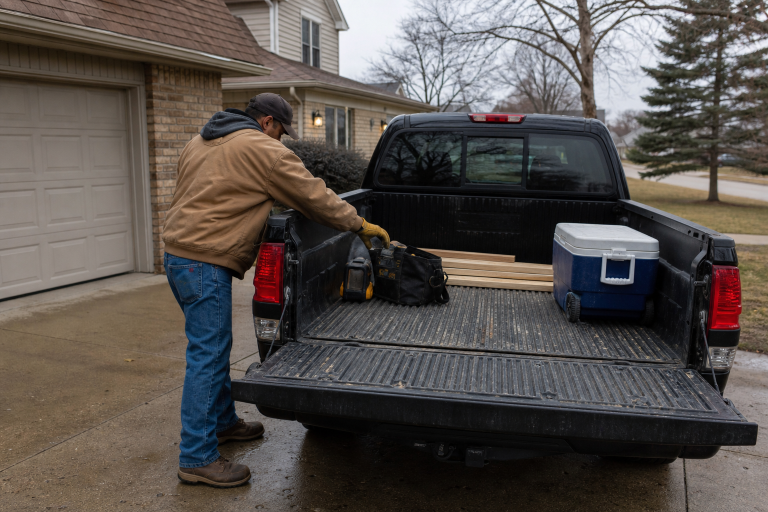
Truck owners in Franklin Park, Illinois, often ask a lot from one vehicle. A pickup may carry tools through the workweek, haul lumber for a home project, then transport coolers, bikes, or camping equipment on the weekend. Choosing a rhino liner or another bed-protection option starts with an honest look at those daily demands.
Between snowy winters, road salt, spring rain, and gritty job-site debris, an unprotected truck bed can collect scratches, chips, moisture, and stubborn residue. A liner helps protect the painted bed surface, but it does not eliminate the need to secure cargo or load heavy materials carefully.
For a contractor, that may mean protecting the bed from shifting toolboxes, lumber, ladders, and bags of hardware. For a family truck, the concern might be keeping the bed cleaner and more usable after carrying mulch, sporting gear, firewood, or wet storage bins.
Before comparing products, decide what needs protection most. A truck used daily for rough materials needs a different solution than one used mainly for occasional errands around Franklin Park or trips beyond the Chicago area.
A professionally applied spray on bedliner can be a practical choice when full coverage and long-term durability matter, while removable options can make more sense for lighter or changing needs.
Why Bed Liners Matter
A truck bed is exposed to impacts, abrasion, standing water, sun, chemicals, and dirt. Repeatedly dragging cargo across painted metal can wear through the finish, especially along the floor, wheel wells, tailgate, and tie-down areas. Liners create a protective barrier that can make cleanup easier and reduce day-to-day surface wear.
Comparing Common Liner Types
The basic categories of truck bed liners include bonded spray-on coatings and removable products that sit inside the bed. Each style has a place.
- Spray-on liners: Permanent coverage with a textured surface and protection across the floor and walls.
- Drop-in liners: Molded plastic inserts that are removable, but need a secure fit to limit debris underneath.
- Roll-on liners: Lower-cost coatings for do-it-yourself projects, where preparation strongly affects the finish.
- Rubber mats: Simple floor protection and cushioning, though they usually leave walls and tailgate exposed.
- Carpet-style rugs: Softer surfaces suited to delicate gear, kneeling, and recreational cargo.
Matching a Liner to Truck Use
Construction, Maintenance, and Trade Work
For frequent hauling of tools, metal parts, lumber, landscaping supplies, or equipment, prioritize abrasion resistance, wall coverage, and easy washout. A bonded liner can be useful when the bed is loaded and unloaded almost every day.
Outdoor and Recreation Use
Camping bins, bicycles, kayaks, coolers, and fishing equipment may benefit from extra cushioning. A rubber mat or rug can work well for this type of cargo, either alone or over a more durable base surface.
Occasional Hauling
If the truck mostly handles groceries, yard waste, and a few home-improvement runs, a fitted mat may provide enough protection without the cost of full-bed coverage.
Spray-On Liner Benefits and Limits
Spray-on coatings bond directly to the bed after the surface is cleaned and prepared. Their continuous coverage can help protect seams, wheel wells, sidewalls, and tailgates from routine wear. Texture may also reduce cargo sliding, although especially rough finishes can make it harder to shift heavy boxes into position.
The trade-off is permanence. Unlike a mat or drop-in liner, a spray-on coating is not easily removed. A quality result depends on correct surface preparation, masking around hardware, even application, and adequate curing time.
Drop-Ins, Mats, and Rugs
Drop-In Liners
Drop-ins offer flexibility because they can be removed or replaced. However, a poor fit can allow grit and moisture to collect beneath the liner, so occasional inspection is important.
Rubber Mats and Carpet-Style Rugs
Mats are quick to install and provide useful grip for everyday hauling. Rugs are more comfortable for knees and delicate cargo, but both should be removed periodically so the bed can dry and be cleaned thoroughly.
Material, Texture, and Cargo Control
Plastic, rubber, polyurethane, polyurea, and carpet-style materials vary in feel and durability. Rougher finishes improve grip, while smoother surfaces can make it easier to slide dense cargo. Consider exposure to oil, fuel, fertilizer, road salt, and wet soil, then follow the manufacturer’s cleaning guidance before using strong chemicals.
Installation Questions to Ask
- Will rust, dents, and old coatings be inspected first?
- Which areas will receive coverage: floor, walls, wheel wells, tailgate, and bed rails?
- How are drain holes, lights, tie-downs, and accessories protected?
- How long must the truck remain unused while the liner cures?
- What repair options are available if the surface is damaged later?
Cleaning and Maintenance
Rinse off mud, salt, sand, and spilled materials before they sit for long periods. Mild soap, water, and a soft brush are usually enough for regular cleaning. After winter driving or heavy hauling, inspect corners, drains, seams, and high-contact spots for trapped debris or damage.
Cost and Long-Term Value
Cost depends on truck size, liner type, coverage area, surface condition, and installation method. A mat may be the sensible budget choice for occasional use. A professionally installed coating may offer better long-term value for a truck that works every week. The lowest price is not always the best deal if preparation or fit is poor.
A Simple Buying Checklist
- What cargo does the truck carry most often?
- Does the bed need floor-only protection or complete coverage?
- Is added grip, easier sliding, or cushioning the priority?
- Will the liner face salt, rain, chemicals, or frequent heavy loads?
- Is removability important?
- How much time is available for cleaning and upkeep?
The right truck bed liner for Franklin Park drivers is the one that matches real use, not just appearance. By considering local weather, cargo weight, liner texture, maintenance needs, and installation quality, truck owners can choose protection that keeps their beds ready for work and weekend plans alike.