The Ultimate Guide to Luxury Watches
Luxury watches have long been regarded as symbols of status, craftsmanship, and timeless elegance. Beyond their primary function of telling time, these exquisite pieces reflect a heritage of precision engineering and artistic design that few other accessories can match. This guide explores the world of luxury watches, providing insight into their history, features, and considerations for potential buyers.
Understanding Luxury Watches
A luxury watch is typically defined by its superior quality, brand prestige, intricate craftsmanship, and often, limited production. Unlike mass-produced timepieces, luxury watches use high-grade materials and incorporate complex mechanical movements. They serve not only as functional devices but also as investments and statements of personal style.
Many luxury watches are produced by brands with a rich heritage spanning centuries. These brands often combine traditional watchmaking techniques with contemporary innovation, ensuring both durability and exclusivity.
History and Evolution
The origins of luxury watches date back to the 16th century when portable timekeeping devices began to emerge. Over time, these evolved from pocket watches to wristwatches, expanding in design and functionality. The 20th century saw significant advancements such as the development of automatic movements and the integration of complications like chronographs and moon phases.
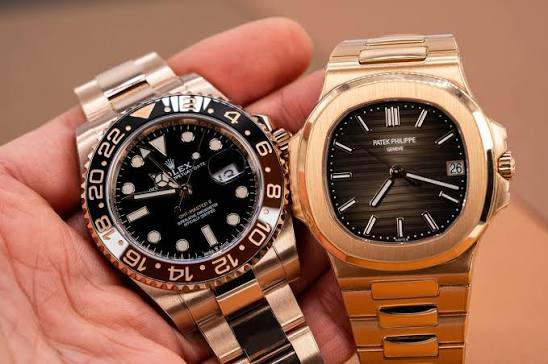
Manufacturers such as Patek Philippe, Rolex, Audemars Piguet, and Omega have contributed significantly to the evolution of luxury watches, each creating models that have become iconic in their own right. These brands remain highly sought after by collectors and enthusiasts worldwide.
Key Features of Luxury Watches
When exploring luxury watches, several key features distinguish them from standard watches. These include:
- Movement Type: Mechanical movements (manual or automatic) are preferred for their craftsmanship and complexity. Quartz movements, while precise, are less common in luxury models.
- Materials: High-quality metals such as gold, platinum, and stainless steel are commonly used. Additionally, sapphire crystal is standard for scratch-resistant watch faces.
- Complications: Extra functions beyond basic timekeeping, including date displays, chronographs, tourbillons, and perpetual calendars, enhance both utility and value.
- Design: Attention to detail, including dial finishing, hand shapes, and case engravings, all contribute to the overall aesthetic appeal.
Why Invest in Luxury Watches?
Aside from their obvious appeal as luxury accessories, luxury watches often serve as valuable investments. Certain models appreciate over time, particularly those with limited production runs or historical significance. Collectors treat luxury watches as tangible assets that combine utility with enduring value.
Furthermore, owning a luxury watch connects wearers to a tradition of excellence in craftsmanship and design. It reflects an appreciation for mechanical ingenuity and aesthetic balance, qualities that typify fine watchmaking.
Popular Luxury Watch Brands
For those considering the purchase of luxury watches, familiarity with leading brands is essential. Some of the most distinguished manufacturers include:
- Rolex: Renowned for robustness and iconic designs such as the Submariner and Daytona.
- Patek Philippe: Celebrated for high complications and exceptional finishing.
- Audemars Piguet: Famous for the Royal Oak, a pioneering luxury sports watch.
- Omega: Known for precision and space exploration connections.
Each brand offers different features and price points. Researching specific models and their histories can assist in making informed choices.
Choosing the Right Luxury Watch
Determining the ideal luxury watch depends on individual preferences and purposes. Factors to consider include budget, style, intended use, and brand reputation. For instance, a diver may prioritise water resistance and durability, while a collector might focus on rarity and complication.
It is advisable to purchase luxury watches from reputable dealers to ensure authenticity and quality assurance. Those interested in exploring a wide selection of options may refer to specialised stores that offer extensive collections.
One such collection can be found at luxury watches retailers, providing diverse models catering to various tastes and requirements.
Maintenance and Care
Proper maintenance extends the longevity of luxury watches. Regular servicing by authorised technicians ensures optimal performance of mechanical movements. Additionally, careful handling and storage prevent damage to delicate components.
Owners should consider the watch’s water resistance and cleaning recommendations to preserve aesthetics and functionality. Investing in a quality watch winder for automatic watches can help maintain their accuracy when not worn frequently.
The Future of Luxury Watches
While smartwatches have transformed the watch industry in recent years, luxury mechanical watches continue to hold significant appeal. Many brands are integrating modern materials and techniques while preserving traditional craftsmanship.
Innovation in luxury watches includes the use of silicon parts for improved movement precision, advanced coatings to enhance durability, and creative designs that blend classic and contemporary elements. Thus, the sector remains vibrant and adaptive.
Conclusion
Luxury watches represent a unique combination of art, engineering, and status. Understanding their history, characteristics, and the nuances of different brands can greatly assist prospective buyers in making informed decisions.
For those looking to explore luxury watches, reputable collections offer access to a range of exquisite timepieces suited to various preferences and budgets. Whether as an investment or a personal indulgence, luxury watches continue to exemplify exceptional craftsmanship and enduring appeal.