
Legal Considerations for Growing Small Businesses
Table of Contents
- Introduction
- Business Structure and Entity Formation
- Regulatory Compliance
- Intellectual Property Protection
- Employment Laws and HR Policies
- Contract Management
- Tax Obligations
- Data Privacy and Security
- Dispute Resolution and Litigation
As small businesses begin to scale, they face a wide array of legal complexities that can shape their operational landscape and dictate the pace of their growth. For entrepreneurs aiming to build lasting businesses, it is crucial to manage legal issues proactively so they can focus on innovation and customer satisfaction. The process of navigating federal, state, and local regulations can be daunting, but engaging with a business attorney in Maryland can provide invaluable guidance and help avoid costly mistakes.
Understanding legal obligations not only helps in avoiding penalties but also lays the foundation for scalable business practices and fosters trust among customers, partners, and employees. As regulations continue to evolve, especially in the digital landscape and employment law, staying informed and prepared is more important than ever for small business owners.
From selecting the best legal entity to protecting your intellectual property, each stage of business growth requires careful legal planning. Let’s explore the most critical legal considerations for small businesses poised for expansion.
Business Structure and Entity Formation
The choice of business structure is a crucial decision that will affect your liability exposure, taxation, and regulatory responsibilities. Common structures for small businesses include sole proprietorships, partnerships, corporations, and limited liability companies (LLCs). Each option carries unique advantages and disadvantages. LLCs, for example, are popular among growing businesses due to their blend of liability protection and flexible tax treatment.
Consulting with legal and financial advisors early in the business development process can ensure that you select the right structure, save on taxes, and avoid future restructuring headaches. For more information on the basics, the U.S. Small Business Administration provides a comprehensive overview of business structures.
Regulatory Compliance
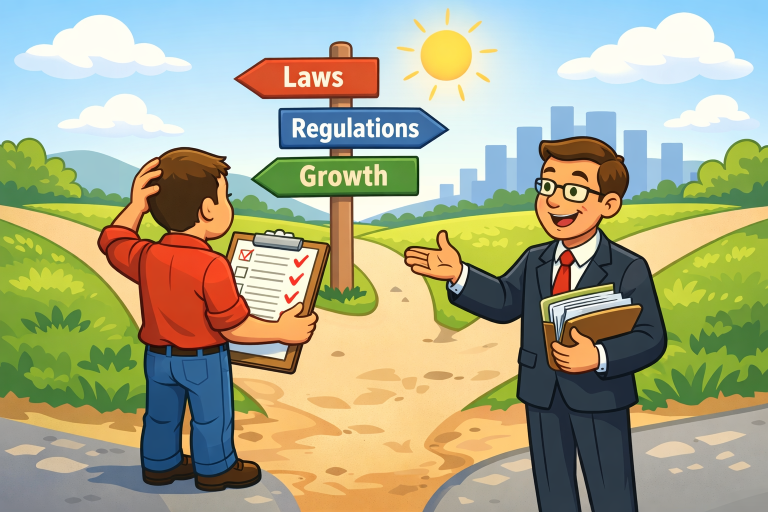
Every business must comply with a range of regulatory frameworks, including licensing and registration, environmental standards, and consumer protection laws. Regulatory compliance demands rigorous documentation and timely filings, especially as businesses expand into new markets or add employees. According to a U.S. Chamber of Commerce survey, over half of small businesses report that regulatory compliance restricts their growth, with taxes and recordkeeping as the most time-intensive tasks.
Failing to adhere to applicable laws can result in hefty fines, litigation, and reputational damage. Routine legal audits and staying up to date with laws in each operating jurisdiction are best practices for sustained compliance.
Intellectual Property Protection
The intellectual property (IP) of a business includes trademarks, patents, copyrights, and trade secrets. These assets are often among the most valuable components of a growing business. Securing trademarks for your brand name, registering copyrights for original works, and protecting proprietary processes or inventions through patents can safeguard your innovation and competitive edge. Neglecting IP protection may allow competitors to capitalize on your efforts and erode your market share.
Employment Laws and HR Policies
As your team expands, workplace compliance becomes a more intricate responsibility. Business owners must account for wage and hour laws, anti-discrimination mandates, workplace safety standards, and employee benefit requirements. Clear employee handbooks and regular HR training are instrumental in maintaining legal compliance and promoting a positive organizational culture.
Contract Management
Effective contract management is fundamental to safeguarding business relationships. Contracts clarify the terms for working with clients, suppliers, and partners, and provide legal remedies in the event of misunderstandings. Poorly written contracts can expose businesses to unnecessary risks and liabilities, so all agreements should be drafted or reviewed by a legal professional.
Tax Obligations
Keeping up with federal, state, and local taxes requires organization and expertise. Small businesses are responsible for income, payroll, and sales taxes. Proactive tax planning and frequent consultations with an accountant can optimize your financial health and minimize the risk of costly penalties. Detailed records and receipts are also essential for smooth audits and year-end reporting. For additional guidance, the IRS provides valuable resources for small and growing businesses.
Data Privacy and Security
Protecting both customer and employee data is a business necessity in today’s digital environment. Laws such as the General Data Protection Regulation (GDPR) and the California Consumer Privacy Act (CCPA) require businesses to maintain robust data protection policies. Breaches can cause considerable harm, including fines, legal actions, and loss of customer trust.
Building a robust data security culture with clear privacy policies and regular staff training is the foundation for compliance and trust-building in the digital era.
Dispute Resolution and Litigation
Disputes can arise even with the most cautious business practices. Having dispute-resolution mechanisms, such as mediation or arbitration clauses, integrated into contracts can save time and resources. In instances where litigation becomes necessary, maintaining detailed records and ongoing relationships with legal counsel is vital for protecting your company’s interests.
By proactively addressing these key legal areas, small businesses can set themselves up for long-term success. Regularly consulting with legal professionals, monitoring legislative updates, and reinforcing internal compliance habits enables businesses to thrive safely in a dynamic marketplace.