How Roof Age and Condition Affect Solar Panel Installation in Renton
Solar panels are built to last for decades, so the roof beneath them should be ready for the same commitment. An aging, damp, or structurally weak roof can lead to leaks, panel removal costs, and disputes over which contractor is responsible for repairs. In Renton, frequent rain, moisture, and moss can shorten a roof’s lifespan if problems go unchecked. A roof inspection before signing a solar contract can identify these risks and help determine whether repairs or replacement should come first.
Roof Age Sets the Solar Timeline in Renton
When comparing roofing Renton, homeowners should consider the roof’s remaining lifespan rather than its age alone. Solar panels typically remain in place for a long time, so installing them on a roof nearing the end of its life may lead to unnecessary removal and reinstallation costs. While there is no universal replacement timeline, roofs expected to need major work within the next several years deserve a closer evaluation before moving ahead with solar.
Roof Problems to Address Before Solar Installation
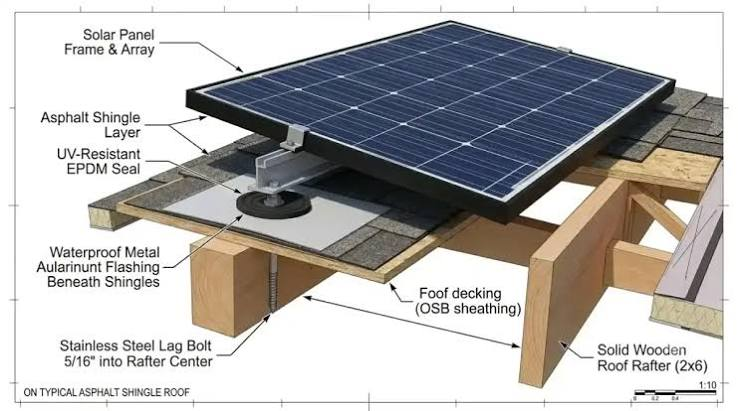
Solar mounts transfer the system’s weight and wind loads into the roof structure, making a solid foundation essential. Existing damage can become more difficult and expensive to repair once panels cover the roof. According to the U.S. Department of Energy, modern solar panels commonly last 25 to 35 years, making roof condition an important part of installation planning.
Common issues that should be addressed include:
- Active leaks, damaged flashing, or soft roof decking
- Sagging areas that may require a structural assessment
- Missing, curled, or brittle shingles
- Moss or algae trapping moisture against the roof surface
Resolving these problems first helps protect both the roof and the solar system over the long term.
Repair or Replacement Depends on Remaining Roof Life
A newer roof with isolated damage may only need targeted repairs before solar installation. Older roofs with widespread wear often make roof replacement before solar worth considering, although the decision should also account for removal costs, financing, the roofing warranty, and the solar installer’s warranty. For example, installing solar on an aging roof could mean paying to remove and reinstall the panels just a few years later. Coordinating both projects upfront often saves time, money, and unnecessary disruption.
Roof Design Affects Panel Placement and Performance
A roof can be in good condition but still fall short of being solar-ready. Installers evaluate slope, orientation, shade, and usable roof space before finalizing the design. South-facing roof sections usually receive the most sunlight, while trees, chimneys, and skylights may reduce production. Roofing materials also matter because asphalt, standing-seam metal, and tile roofs each require different mounting methods that affect installation and maintenance.
A Professional Inspection Prevents Costly Rework
A professional roof assessment for solar panels helps roofing and solar contractors coordinate before work begins. It also documents the roof’s current condition and clarifies responsibility for flashing, penetrations, and future repairs. Homeowners planning roofing in Renton should ask these questions before signing a solar contract:
- How much service life does the roof likely have left?
- Does the roofing warranty allow solar attachments?
- Who warrants the flashing and mounting penetrations?
- Who pays for panel removal during future roof repairs?
- Was the roof’s condition documented before installation?
A successful solar installation starts with a roof that can support it for decades. Reviewing roof condition, remaining lifespan, structural strength, and warranty coverage before installation helps reduce unexpected costs later. With a thorough inspection and careful planning, homeowners can move forward with confidence, knowing their roof is prepared for a long-lasting solar system.