Smart Ways to Protect Your Home Without Breaking the Bank
Key Takeaways
- Regularly review and adjust your insurance policy to align with your home’s current value and features.
- Implement home improvements that enhance safety and may qualify you for insurance discounts.
- Maintain a good credit score to potentially lower your insurance premiums.
Ensuring your home is adequately protected doesn’t have to mean overspending. Homeowners can combine smart decision-making with key strategies to achieve robust insurance coverage while keeping costs under control. Navigating the world of home insurance can be overwhelming, but by focusing on proven tactics, you can stay well covered and save money in the process. For more details about quality insurance options for homeowners, visit https://www.thehartford.com/aarp/homeowners-insurance.
It is vital to tailor your insurance to your home’s true value and features, not just its purchase price. Small changes and ongoing reviews can minimize your risk as a homeowner and help you qualify for discounts. Consistent effort and informed choices pay off in both coverage and savings. With a little planning, you can protect your investment and your budget simultaneously. Insurance companies reward homeowners who demonstrate responsibility and reduce claims risk. Measures such as upgrades, bundling, and periodic policy reviews may require upfront attention but yield long-term savings. Maintaining strong financial health and thinking twice before making small claims are additional ways to keep costs in check while maximizing benefits. This guide walks you through simple yet powerful strategies to help you secure lower premiums and more comprehensive protection for your home. Implementing these ideas will put you on the path to better coverage and smarter spending.
Assess Your Coverage Needs
Begin with a thorough evaluation of your home’s value and the coverage that best fits your lifestyle. Avoid the common trap of over-insuring, which can result in spending more than necessary. On the flip side, under-insuring can expose you to financial risk if disaster strikes. Make sure your policy accurately reflects the current replacement cost of your home and possessions. Periodic reassessment is particularly important after renovations or home improvements, as these may increase your coverage needs.
Shop Around for the Best Rates
Insurance premiums can vary widely between providers, making it worthwhile to compare quotes and coverage options carefully before making a decision. Seek quotes from at least three insurers with strong reputations for customer service, claims handling, and financial reliability. While price is important, it is equally essential to evaluate policy limits, deductibles, exclusions, and available discounts to ensure you receive the best overall value. You may also want to consult with an independent insurance agent for unbiased advice and broader market access. Independent agents can help explain complex policy details, identify coverage gaps, and recommend options tailored to your specific needs and budget. Taking the time to research and compare policies can lead to substantial long-term savings while ensuring your home remains properly protected against unexpected events.
Increase Your Deductible
Choosing a higher deductible directly reduces your insurance premium and can be an effective way to lower your yearly housing expenses. For example, increasing your deductible from $500 to $1,000 could save you up to 25 percent on your annual premium. However, it is important to balance these savings with your financial comfort level. Remember, you will need to pay that deductible out of pocket if you file a claim, so setting aside enough emergency savings is essential. Before making changes, review your budget and consider how much you could realistically afford in the event of an unexpected event such as storm damage, theft, or fire. A higher deductible often works best for homeowners who rarely file claims and have a stable emergency fund. Carefully evaluating your risk tolerance can help you decide whether this strategy is a good fit for your long-term financial goals.
Bundle Policies for Discounts
Many insurance companies offer significant discounts when you purchase multiple policies, such as home and auto insurance, from the same provider. In addition to cost savings, bundling can simplify policy management and reduce the likelihood of missing a payment or a renewal notice. Be sure to compare bundled offerings alongside stand-alone options to ensure true value.
Implement Home Improvements
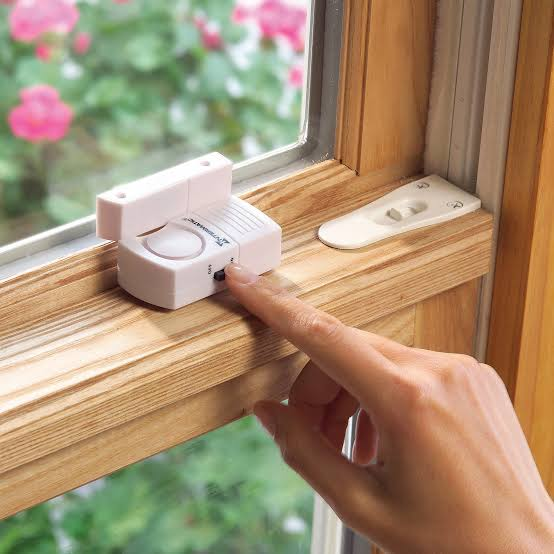
Upgrading your home with safety or security features often reduces your risk and can make you eligible for discounts. Improvements such as installing storm shutters, reinforcing your roof, or adding a monitored security system can decrease the likelihood of claims. Insurers may reward these upgrades with premium discounts.
Maintain a Good Credit Score
Most insurers use credit scores as a factor in determining premiums. A strong credit history often equates to lower insurance rates because it signals financial responsibility. Check your credit report regularly for errors and pay your bills on time. Even small improvements in your score can lead to savings over time.
Avoid Small Claims
Filing multiple small claims can result in higher premiums and even risk your coverage status. Whenever possible, pay for minor repairs out of your own funds. Reserving insurance for significant losses can help you maintain a favorable claims history and qualify for loyalty-based discounts or claims-free rewards.
Regularly Review Your Policy
Annual policy reviews help ensure your coverage remains aligned with your current needs and avoid unnecessary expenditures. Consider life changes, such as a large purchase, renovation, or a shift in living circumstances, that might alter your risk profile or coverage requirements. Regularly checking your policy is a simple way to catch mistakes and discover new savings opportunities.
Taking these steps can go a long way in balancing comprehensive home protection without high costs. By regularly reviewing policies, improving your home’s security, and making informed insurance decisions, you can protect your property while keeping your budget in check.
Conclusion
Protecting your home while keeping insurance costs manageable is possible with the right strategies and regular attention to your policy. By assessing your coverage needs, comparing rates, improving home safety, and maintaining strong financial habits, you can secure reliable protection without overspending. Small adjustments, such as bundling policies, increasing deductibles, and reviewing coverage annually, can lead to significant long-term savings. With informed decisions and proactive planning, homeowners can achieve peace of mind, knowing their property and finances are well-protected.