How Lab Testing Changed the Cannabis Industry
Early legal cannabis markets handed consumers a real problem. No way to verify what was actually in the products they were buying — potency, contaminants, any of it. Lab testing flipped that entirely. It built quality standards and consumer protections that reshaped, from the ground up, how this industry actually runs.
1. Creating Quality Standards and Consistency
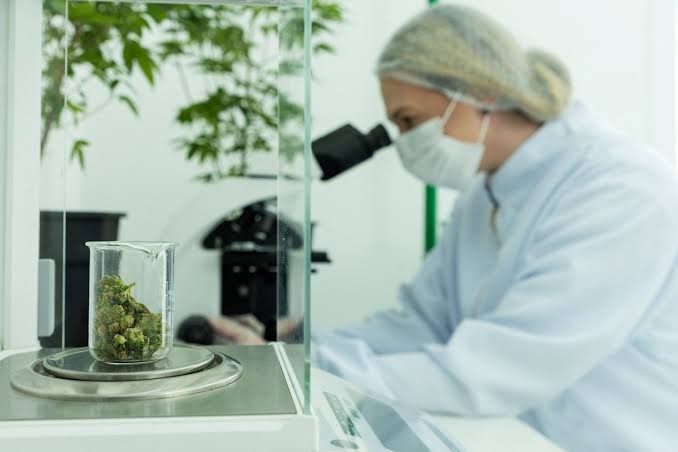
Products varied wildly before mandatory testing arrived. Composition, safety, potency — all over the map. Testing facilities stepped in with standardized protocols measuring cannabinoid profiles, THC and CBD concentrations included, so consumers know what they’re actually getting. Buy something labeled 20% THC? You can now expect that figure to hold across batches and producers. But standardization didn’t stop at potency. Residual solvents, heavy metals, microbial contaminants, mold — all of it gets screened. Companies operating across recreational and hemp-derived markets, including Torch Haymaker gummies, have recognized something straightforward: transparent lab results are now the foundation of consumer trust. Full stop.
2. Establishing Consumer Safety Protocols
Testing requirements wiped out safety risks that previously slipped through undetected. Contaminant screening catches dangerous substances — E. coli, salmonella, pesticide residues — that hit hardest for consumers with compromised immune systems. Testing also exposed fungal toxins and mycotoxins that creep in during improper cultivation or storage. Nasty stuff that nobody wants to ingest. Comprehensive safety protocols have meaningfully cut product recalls and consumer health incidents in regulated markets. And here’s what really changed grower behavior: the ability to trace contamination back to a specific producer. That kind of accountability pushes cultivators and manufacturers toward stricter standards, fast.
3. Building Consumer Confidence Through Transparency
Detailed lab results printed on labels have become a genuine driver of purchasing decisions. Scan a QR code, pull up a full cannabinoid profile, check contaminant results — suddenly, the product isn’t a mystery anymore. That shift pulled in health-conscious consumers who’d avoided cannabis entirely over safety concerns. Third-party lab verification lets shoppers assess potency and ingredient accuracy before committing to a purchase. Detailed testing data has also enabled real brand comparisons, building competition around quality rather than just availability. Cannabis moved from unregulated commodity to something consumers can evaluate scientifically. That’s not a small thing.
4. Driving Innovation in Product Development
Better testing tools gave manufacturers room to develop more refined, specialized products. Specific terpene profiles can now be identified and targeted — meaning products aimed at particular experiences or consumer needs are actually achievable. Testing data supported the rise of CBD-dominant products, balanced THC/CBD formulations, and a whole range of specialized offerings for different preferences and therapeutic applications. Extraction methods, processing techniques, formulations — all of it gets optimized through testing feedback in ways that simply weren’t possible before. The result? A noticeably more sophisticated industry.
5. Supporting Regulatory Frameworks and Legal Markets
Lab testing requirements are now the structural backbone of cannabis regulation wherever legalization has taken hold. Governments use testing standards to enforce product rules, track supply chains, and tie tax collection to verified products. Documentation from testing facilities supports licensing, compliance checks, and legal oversight of the full production chain. Standardization has also allowed different states and countries to establish mutual recognition agreements — a practical enabler of cross-border commerce in legal markets. Without that testing infrastructure? Most governments simply wouldn’t have the tools to regulate cannabis effectively.
Conclusion
Lab testing dragged cannabis out of an unregulated gray zone and into a market governed by scientific standards and real consumer protections. Quality benchmarks, safety screening, transparent results — together, they built consumer confidence, fueled product innovation, and gave regulatory frameworks something solid to stand on. As cannabis expands into new markets, testing stays essential. It’s what guarantees consumers access to safe, consistent, properly labeled products. The move toward transparency and scientific verification is arguably the single biggest improvement in cannabis commerce since legalization started. It’s not just infrastructure. It’s the foundation everything else is built on.