8 Smart Ways to Protect Your Oral Health While Traveling
You’ve booked the flights, packed your bags, and mapped out every museum, beach, and restaurant on your itinerary. Your teeth, though? They probably didn’t make the planning checklist. When people think about travel preparation, they often focus on clothes, itineraries, or tickets, but oral hygiene sometimes gets overlooked. That’s a real problem, because a dental emergency mid-trip can derail the whole thing fast.
Vacation often brings diet changes, like indulging in sweets and acidic foods, which can harm your teeth. These changes, combined with stress and less frequent brushing, may contribute to plaque buildup, increasing the risk of cavities and gum infections. The good news is that a little preparation before you leave, and a few simple habits on the road, keeps your smile in great shape from departure to landing. Here are eight practical strategies every traveler should know.
1. Schedule a Pre-Trip Dental Checkup
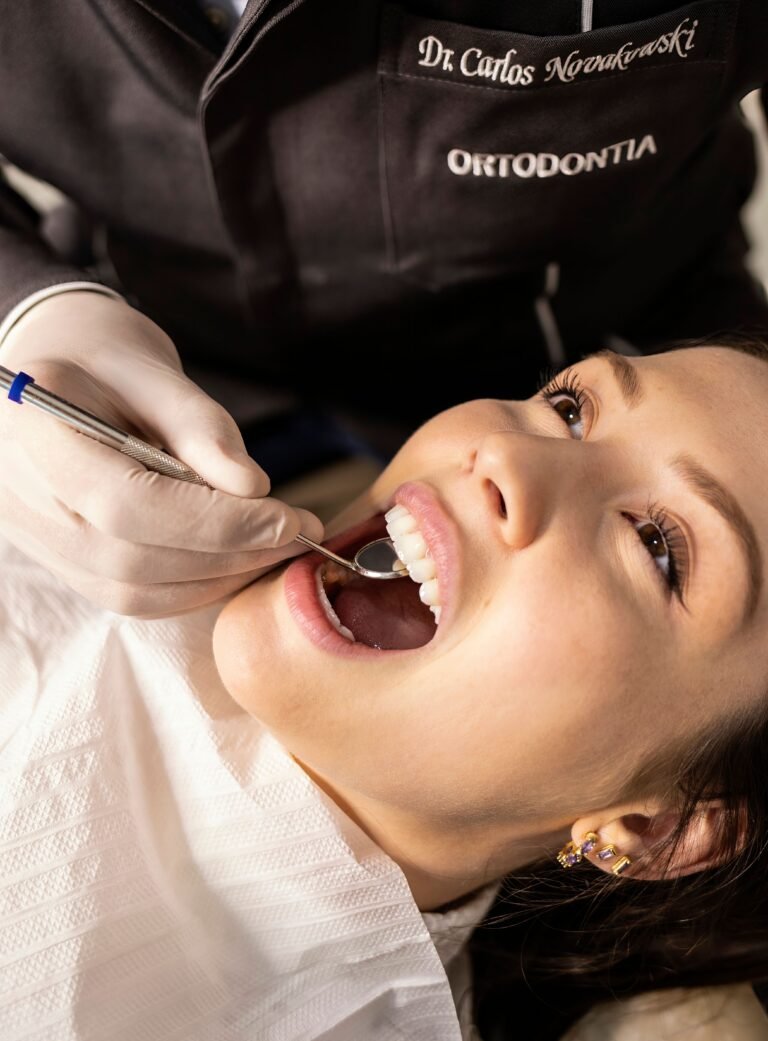
This one step does more to protect your trip than anything else on this list. Before you take off on your travels, schedule a dental checkup to ensure your teeth and gums are in good condition. This ensures you address any potential issues before your trip, which can help prevent dental emergencies while you’re away.
This visit can help identify and address any potential dental issues that could turn into major problems while you’re away. Your dentist can ensure that cavities are filled, any needed dental work is completed, and provide advice on any specific oral care needs you might have during your travels. Think of it as the dental version of travel insurance. You hope you won’t need it, but you’ll be very glad you did it.
If you’re based on the North Shore of Massachusetts, seeing a dentist in peabody ma before any big trip is a practical first step that takes less than an hour and could save you from a world of pain abroad.
2. Build a Dedicated Dental Travel Kit
Your regular bathroom cabinet won’t follow you to Rome or Tokyo, so you need a portable version of it. Pack an American Dental Association-accepted toothbrush and remember to replace it before vacation if the toothbrush or brush head has been used for over four months or has frayed bristles. Bring a toothbrush case to keep the bristles free from germs, dirt, and debris.
Use fluoride toothpaste to protect tooth enamel and prevent tooth decay. The ADA recommends finding an ADA-approved mouthwash that fits your needs. Toss in a small pack of floss picks, and your entire oral kit fits in a sandwich-sized bag. Pack all your oral health necessities from your regular at-home routine to maintain your wellness regimen while traveling.
For eco-conscious travelers, bamboo toothbrushes are biodegradable, lightweight, and perfect for travel. Refillable containers for toothpaste and mouthwash reduce single-use plastic consumption. Consider toothpaste tablets or powder, which eliminate the need for tubes and take up minimal space.
3. Store Your Toothbrush the Right Way
Most travelers toss a wet toothbrush straight into a zip-lock bag and call it a day. That’s a mistake. Packing your wet toothbrush in an enclosed space will make it a breeding ground for bacteria.
Keeping your toothbrush clean and out of contact with other things is more important than making sure it’s dry on vacation. A bag keeps your toothbrush separate from everything else in your luggage. When you get there, pop it open and let your brush air dry. It’s a two-second habit that makes a genuine difference in how clean your brush stays throughout the trip.
4. Stay Hydrated to Fight Dry Mouth
Flights are brutal on your mouth in ways most people don’t expect. Long flights can lead to dry mouth due to cabin air, which increases the risk of bacteria growth. In such cases, staying hydrated with water and avoiding excessive caffeine or alcohol helps keep the mouth comfortable.
Dry mouth is common during flights. When your mouth is dry, bacteria grow faster. Drink water throughout the day. It helps wash away food particles and keeps your mouth fresh. A reusable water bottle is your best carry-on companion, both for your body and your smile. Fresh tropical fruit is high in water content and electrolytes, which can help support daily hydration to lower the risk of dry mouth and cavities.
5. Watch What You Eat and Drink on the Road
Travel is absolutely the time to try new foods. Your teeth, though, have strong opinions about some of those choices. Be mindful of sugary snacks, sticky foods, and acidic drinks like soda and fruit juices. These foods can increase the risk of tooth decay and enamel erosion.
Instead, opt for snacks less likely to harm your teeth, such as nuts, cheese, or yogurt. These foods are tooth-friendly and provide nutrients beneficial to your overall health. And here’s the thing about alcohol on vacation: alcohol negatively affects your teeth and can be detrimental to your overall health. If you end up indulging, try not to overconsume and remember to wash your mouth out with water and brush your teeth afterward.
According to the American Dental Association’s MouthHealthy resource, chewing sugarless gum can help relieve ear pressure during a flight and help keep cavities at bay on vacation. Research shows that chewing sugarless gum for 20 minutes after a meal can help prevent cavities.
6. Never Skip Your Brushing Routine
It sounds obvious, but schedules go sideways on vacation. Late dinners, early flights, and exhaustion make it easy to skip the sink. Don’t. No matter how busy your trip is, brush twice a day. Morning and night. Do not skip it. Floss once daily. It takes only a few minutes and helps prevent plaque buildup between teeth.
Skipping your regular oral care routine on vacation can lead to more serious dental issues. Plaque that forms on teeth can turn into tartar, which only a dentist can remove. A lack of consistent brushing and flossing can lead to gum disease, a major contributor to tooth loss. Two minutes in the morning and two minutes at night is a very small price to pay for keeping your smile intact through a two-week trip.
If you’re traveling with kids, when children see adults prioritizing dental care even on vacation, they learn that it’s a non-negotiable part of health maintenance. Make brushing teeth together a family activity, turning it into quality time rather than a chore.
7. Know What to Do in a Dental Emergency Abroad
Dealing with dental emergencies while traveling can be costly and complicated, especially if you’re in a foreign country where healthcare is expensive or language barriers exist. Regular oral care minimizes the likelihood of emergencies, helping you avoid unexpected dental expenses. But if something does go wrong, you need a plan.
Research and identify local dental clinics at your destination, especially if you’re traveling abroad. Knowing where to go in case of a dental emergency is one of the best oral health tips around. It will provide peace of mind and ensure you get prompt care if needed.
Flying itself can actually make tooth pain worse. Being on an airplane can intensify a toothache. Flying can bring out pain in a tooth that has not previously bothered you. There are cases when you have air in your teeth, and changes in pressure can make it hurt badly. If you’re abroad and need a referral, getting in touch with the local consulate or U.S. embassy is a reliable option. Asking the consulate and their employees for a recommendation gives you an independent referral rather than someone who may be driving business because of a contract.
Ibuprofen or pain relievers can be used to alleviate any inflammation or oral discomfort that could arise while you’re on the go. Pack a small strip of them in your first aid bag alongside your dental kit.
8. Book a Post-Trip Dental Visit When You Return
Coming home doesn’t mean your oral health checklist is done. If you experienced any dental problems while traveling, your dentist could assess and treat them before they become more serious. Keeping your dental history up to date helps your dentist provide the best possible care.
Schedule your next regular visit before or after your trip. “Have a thorough exam so we can spot any problems before they happen.” You’ll have peace of mind, and your dentist will have the most up-to-date information on your teeth, including X-rays. A quick post-travel cleaning also clears any buildup that snuck in despite your best efforts on the road.
The Delta Dental guide for traveling oral health reinforces this point well: good oral health habits are critical in maintaining oral health and overall well-being. A post-trip checkup closes the loop and puts you right back on track before your next adventure.
Carry Your Smile Into Every Adventure
Your oral health travels with you everywhere, whether you’re on a weekend road trip or a month-long international adventure. The habits that protect your teeth at home, brushing consistently, staying hydrated, eating mindfully, and keeping up with professional checkups, work just as well in a hotel bathroom as they do in yours.
With preparation, the right tools, and mindful habits, maintaining a healthy smile on the go is entirely achievable. By keeping oral hygiene a priority, travelers can enjoy their adventures while protecting their long-term dental health. Pack smart, stay consistent, and your smile will be just as ready for the journey as you are. For more guidance on what to address before your next big trip, check out the Colgate oral care travel resource for additional expert tips.