8 Questions to Ask About Your Child’s Preventive Dental Care
Preventive dental care plays a central role in supporting children’s long term oral health. When families understand how preventive services work and what to expect from a dental practice, they can make informed decisions that strengthen healthy habits and reduce the risk of future complications. Asking the right questions helps parents evaluate the quality of care, the approach to child comfort, and the strategies used to support proper development. A thoughtful understanding of preventive care ensures that each visit contributes to a strong foundation for lifelong wellness.
How Does the Practice Approach Routine Cleanings for Children
Routine cleanings are essential for maintaining healthy teeth and gums. Concepts like preventive dentistry and habit development highlight how early care supports long term wellness.
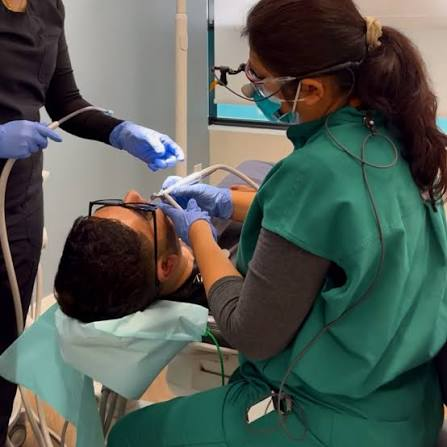
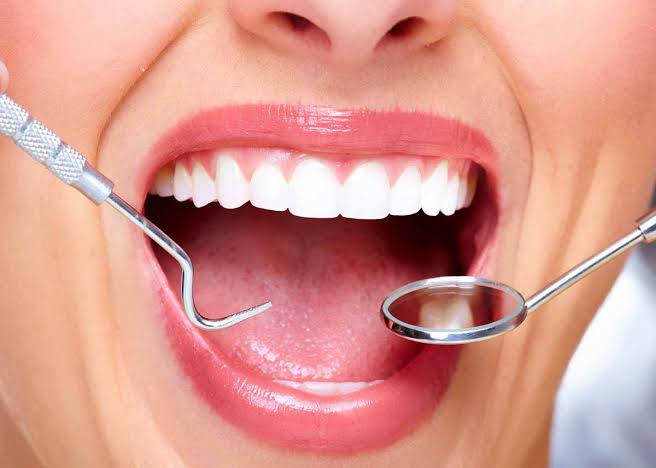
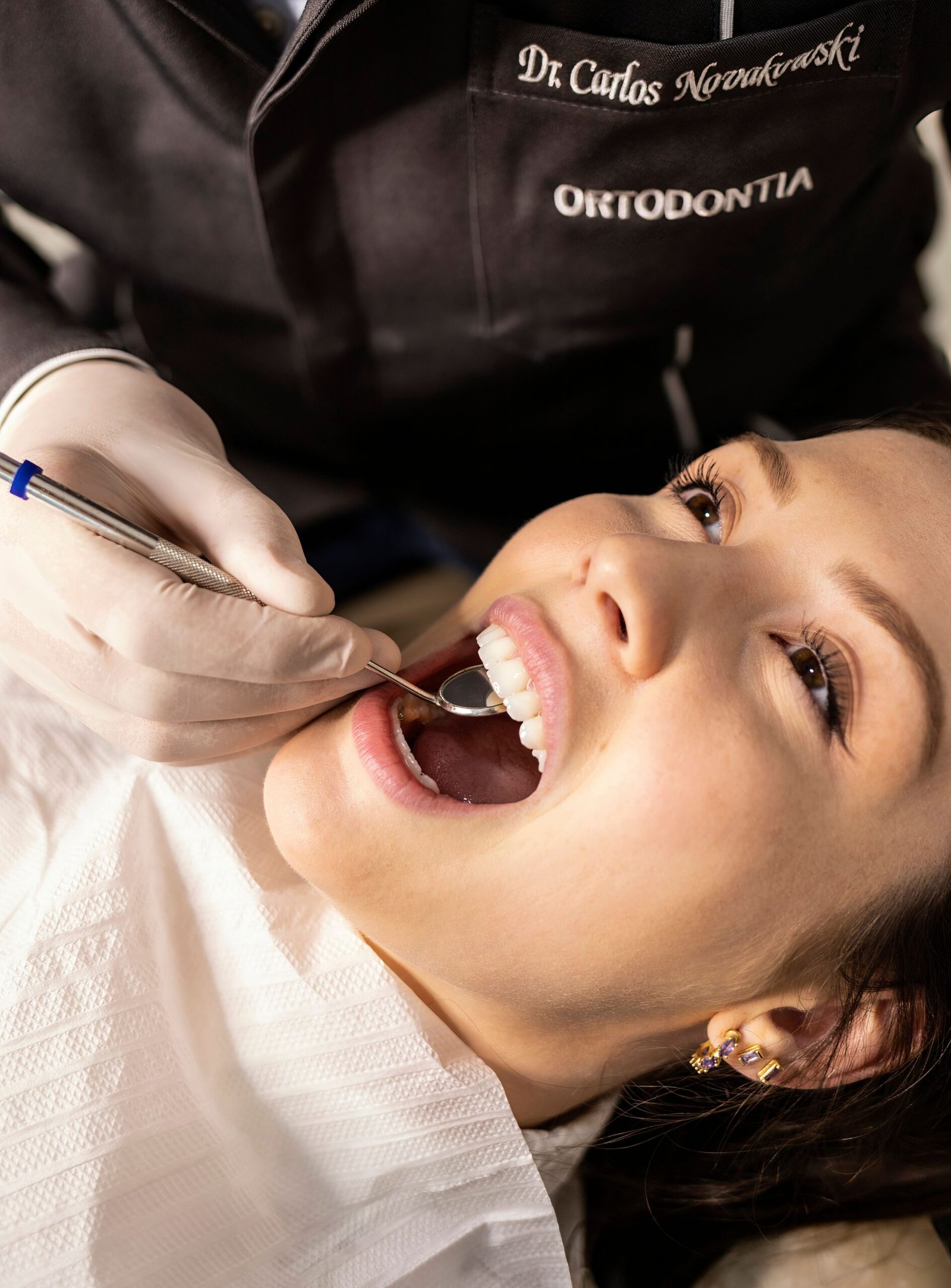
During a cleaning, dental professionals remove plaque and tartar that daily brushing may miss. Families who visit a family dentist in Oceanside often notice how routine cleanings help children feel more comfortable with dental care and understand the importance of maintaining healthy habits. Cleanings also give dentists the opportunity to monitor growth and identify early signs of potential concerns, making them a cornerstone of preventive care.
What Preventive Treatments Support Strong Enamel Development
Fluoride treatments and other enamel strengthening services play a key role in protecting children’s teeth from decay. Concepts like enamel protection and cavity prevention reinforce how these treatments support long term strength.
Fluoride helps remineralize enamel, making teeth more resistant to acids and bacteria. This is especially beneficial for children who are still learning proper brushing techniques or who may be more prone to cavities. When applied during routine visits, fluoride treatments provide an added layer of protection that supports healthy development.
How Does the Practice Use Sealants to Prevent Early Decay
Dental sealants are thin protective coatings applied to the chewing surfaces of molars. Concepts like sealant benefits and decay prevention highlight how sealants reduce cavity risk.
Molars have deep grooves that can trap food particles and bacteria, making them more vulnerable to decay. Sealants create a smooth surface that is easier to clean and less likely to develop cavities. This simple, painless treatment offers long lasting protection and is especially helpful for children who are still mastering brushing and flossing.
How Are Growth and Development Monitored Over Time
Children’s teeth and jaws develop rapidly, making early detection essential for long term oral health. Concepts like growth monitoring and early intervention highlight how timely evaluation supports proper development.
Preventive visits allow dentists to identify concerns such as misalignment, bite issues, enamel weakness, or early decay. Detecting these problems early helps prevent complications that may require more extensive treatment later. Early intervention also reduces discomfort and supports healthy jaw and tooth development.
How Does the Practice Support Healthy Habits at Home
Education is a key component of preventive dental care, helping children understand how to care for their teeth daily. Concepts like oral health learning and family support highlight how guidance strengthens long term habits.
Dentists teach children proper brushing and flossing techniques, explain how diet affects oral health, and encourage habits that reduce the risk of cavities. When children learn these skills early, they are more likely to maintain them as they grow. Education empowers families to take an active role in supporting oral health at home.
How Are Early Signs of Dental Concerns Identified
Early detection helps prevent minor issues from becoming more complex. Concepts like diagnostic evaluation and risk assessment reinforce how careful monitoring supports long term wellness.
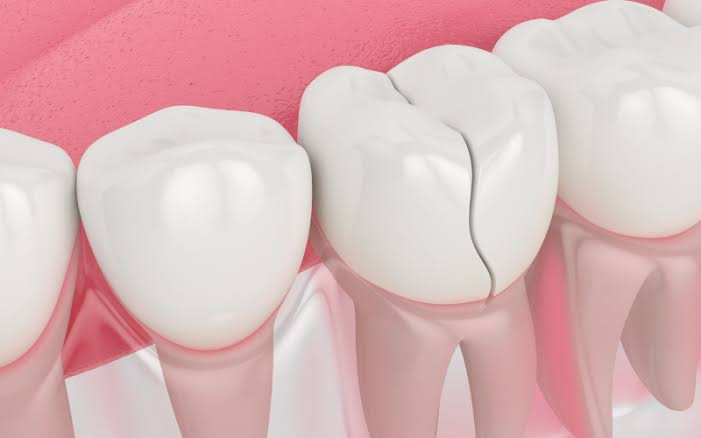
Dentists use visual exams, X rays, and growth assessments to identify concerns such as enamel weakness, early decay, or alignment issues. Recognizing these signs early allows families to pursue appropriate treatment and maintain healthy development.
How Does the Practice Address Anxiety or Nervousness
Comfort plays a major role in helping children feel confident during dental visits. Concepts like child centered communication and trust building highlight how emotional support strengthens positive experiences.
Dentists who work with young patients use gentle communication, simple explanations, and supportive guidance to help children feel safe. This approach reduces fear and encourages cooperation, making preventive visits more effective and enjoyable.
How Are Parents Included in the Preventive Care Process
A collaborative approach helps families feel informed and confident. Concepts like care collaboration and parent involvement highlight how communication strengthens outcomes.
Dentists provide guidance on nutrition, hygiene routines, and developmental milestones. They help parents understand how to support their child’s dental health at home and what to expect as teeth and jaws grow. When families feel supported, they are better equipped to maintain consistent care and encourage positive habits.
Conclusion
Understanding preventive dental care involves exploring routine cleanings, enamel strengthening treatments, sealants, growth monitoring, home habits, early detection, emotional support, and family involvement. When families stay informed and engaged, they help children build strong habits and enjoy a foundation for lifelong oral health.