When Tooth Pain Lingers: Guide To Root Canal Care, Recovery, And Prevention
Key Takeaways
- Lingering pain, pain while biting, swelling, and long-lasting temperature sensitivity warrant a dental evaluation.
- A root canal addresses damaged or infected tissue inside a tooth, then helps prepare the tooth for restoration.
- Reduced pain does not always mean a dental problem has resolved.
- Daily brushing, cleaning between teeth, and regular exams remain important after treatment.
Table Of Contents
- Why Tooth Pain Can Linger
- Warning Signs That Need Dental Care
- How Dental Professionals Find The Cause
- What Root Canal Care May Involve
- What Recovery Usually Looks Like
- Daily Habits That Protect A Treated Tooth
- Common Root Canal Myths
- Questions To Ask Before Treatment
- Conlusion
Tooth pain that hangs on, returns, or changes from mild sensitivity to a sharp ache should not be ignored. When the inner portion of a tooth is damaged or infected, prompt evaluation can help clarify whether a filling, crown, or tooth-saving root canal treatment may be appropriate. The goal is not to guess based on symptoms alone, but to identify the cause before it becomes more difficult to manage.
Why Tooth Pain Can Linger
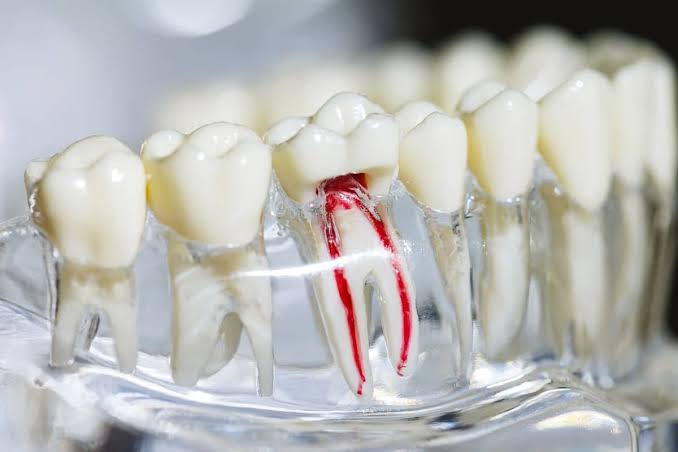
A tooth contains several layers. Enamel forms the hard outer surface, dentin sits beneath it, and the pulp is the soft inner tissue containing nerves and blood vessels. Decay, a deep filling, a crack, gum disease, repeated grinding, or an injury can irritate or damage the pulp. That irritation may cause pain with chewing or with hot, cold, sweet, or acidic foods.
Brief sensitivity that stops almost immediately can have many causes, including exposed root surfaces or worn enamel. Pain that lingers after a temperature trigger, wakes a person at night, or occurs without an obvious trigger deserves closer attention. For example, someone may notice a small twinge after biting on a hard snack, only to develop stronger pain weeks later because an old filling or a small crack allowed irritation deeper into the tooth.
A reduction in pain is not always reassuring. If the pulp loses its ability to sense pain, an untreated problem may still remain below the surface. A dental team can assess the tooth and explain the options available at North Orange Family Dentistry based on the condition of the tooth and surrounding tissues.
Warning Signs That Need Dental Care
Contact a dental office when any of the following symptoms appear, especially if they persist or worsen:
- Tooth pain that lasts, returns often, or becomes more intense
- Pain when biting, chewing, or releasing a bite
- Strong or lingering sensitivity to heat or cold
- Swelling near a tooth, in the gumline, or around the jaw
- A pimple-like bump on the gums that drains or repeatedly returns
- Darkening of a tooth after a fall, sports injury, or other trauma
- Fever, facial swelling, or feeling generally unwell, along with tooth pain
Facial swelling, trouble breathing, difficulty swallowing, or swelling that spreads quickly may require urgent medical attention. These symptoms should not wait for a routine appointment.
How Dental Professionals Find The Cause
Diagnosis usually begins with a conversation. A dentist may ask when the discomfort started, which foods or temperatures trigger it, whether biting makes it worse, and whether an injury occurred. The exam can include checking for decay, cracks, loose restorations, gum changes, tooth discoloration, and signs of wear from clenching or grinding.
Sensitivity tests and dental images can help compare the affected tooth with nearby teeth and reveal changes that cannot be seen during a visual exam. General guidance on toothaches, cracked teeth, and decay also reinforces an important point: decay and damage can progress toward the inner tooth structure if they are not addressed.
After the assessment, treatment choices may include a filling, a protective crown, root canal care, or removal if the tooth cannot be restored. The recommended path depends on the extent of damage, the health of the surrounding bone and gums, and whether enough healthy tooth structure remains.
What Root Canal Care May Involve
Root canal care is designed to treat the inside of a damaged tooth while preserving as much of the natural tooth as possible. Although each treatment plan differs, the process commonly includes:
- Numbing the area to support comfort during treatment.
- Creating a small opening to reach the inner chamber of the tooth.
- Removing damaged or infected pulp tissue.
- Cleaning and shaping the narrow internal spaces called canals.
- Sealing the cleaned space to reduce the chance of future contamination.
- Placing a filling, crown, or other restoration to protect the tooth during normal use.
The number of visits can vary. Teeth have different root shapes, infections may require additional attention, and some patients need a temporary restoration before receiving a final crown or filling. Research in endodontics continues to explore improved cleaning methods, materials, and ways to preserve healthy tooth structure, but treatment decisions should remain tailored to the individual tooth.
What Recovery Usually Looks Like
Mild tenderness for several days can occur after treatment because the tissues around the root may have been inflamed before care began. Follow the instructions provided by the dental professional, including guidance about pain relief, eating, and follow-up appointments. If a temporary restoration is in place, chew carefully and avoid hard or sticky foods until the final restoration is completed.
Call the dental office if pain worsens instead of improving, swelling develops or returns, a temporary filling comes loose, or the bite feels uneven. Antibiotics may be appropriate in select situations, but they do not remove infected tissue from inside a tooth or replace dental treatment when the source of the problem is internal.
Daily Habits That Protect A Treated Tooth
A treated tooth still needs the same preventive care as every other tooth. It can develop new decay, suffer a crack, or be affected by gum disease if daily habits fall away. Helpful practices include:
- Brush twice daily with fluoride toothpaste.
- Clean between teeth every day with floss, interdental brushes, or another recommended tool.
- Limit frequent sipping of sweetened drinks and frequent sugary snacks.
- Wear a mouthguard for contact sports.
- Avoid chewing ice, pens, fingernails, and other hard objects.
- Keep regular dental visits for exams and cleanings.
- Ask about a night guard if grinding or clenching is a concern.
The National Institute of Dental and Craniofacial Research explains that frequent acid attacks from bacteria, sugars, and starches can weaken enamel and lead to cavities. Consistent fluoride use and a lower frequency of sugary exposures can support long-term prevention.
Common Root Canal Myths
Myth: Root Canal Care Causes Severe Pain
Modern local anesthetics are intended to keep patients comfortable during treatment. In many cases, the infection or inflammation that led to treatment is the primary source of pain.
Myth: Removing The Tooth Is Always Better
Removal is sometimes necessary, particularly when a tooth cannot be restored. When preservation is possible, keeping a natural tooth may support normal chewing and may avoid additional replacement procedures.
Myth: No Pain Means No Problem
Some dental conditions cause little pain or stop hurting after the pulp loses sensation. An exam and imaging are more reliable than symptoms alone.
Myth: Home Remedies Cure Infection Inside A Tooth
Salt-water rinses, cold packs, and over-the-counter pain relievers may provide short-term comfort, but they cannot repair a deep crack, remove infected tissue, or seal a damaged tooth.
Questions To Ask Before Treatment
- What is causing the pain or sensitivity?
- What tests or images support the diagnosis?
- Can the tooth be restored after treatment?
- How many appointments may be needed?
- Will the tooth need a crown or another final restoration?
- What should be avoided during recovery?
- Which symptoms require an urgent call?
- What insurance, payment, or scheduling details should be reviewed beforehand?
Conclusion
Lingering tooth pain deserves timely attention, even when it seems manageable or fades temporarily. Early evaluation can identify the source of the problem, protect more natural tooth structure, and help patients make informed choices about treatment and recovery. Swelling, fever, injury, lasting sensitivity, and pain while chewing are all reasons to seek professional guidance rather than wait and see.