How Sustainable Materials are Redefining Roofing Construction
Key Takeaways
- Sustainable roofing materials help lower environmental impact and can increase energy efficiency in buildings.
- New technologies such as solar shingles and recycled-content roofing offer practical and aesthetic benefits.
- Switching to eco-friendly roofing can result in long-term savings and higher performance for property owners.
The roofing industry is undergoing a significant transformation as sustainability becomes a top priority for homeowners, builders, and regulators alike. With mounting environmental concerns and demand for energy-efficient solutions, the materials used in roofing construction are evolving rapidly. The incorporation of sustainable roofing materials is leading the charge toward a more responsible and innovative approach in the construction sector. For those exploring the newest trends in roofing, https://www.deltaservices.com/new-roofing-construction/ provides insights into modern solutions and services tailored for sustainable building.
This shift is not only addressing crucial ecological challenges but is also providing property owners with new ways to improve the efficiency and longevity of their buildings. Innovations such as solar-integrated shingles and recycled membranes are making headlines, helping reduce carbon footprints and turning roofs into assets for energy savings. The drive for sustainable roofs reflects broader trends in green construction, where every component is being reimagined for environmental responsibility.
The Rise of Sustainable Roofing Materials
Conventional roofing materials, especially asphalt shingles, have remained popular for decades due to their cost-effectiveness and ease of installation. However, their environmental footprint is hard to ignore. Asphalt shingles alone are responsible for millions of tons of waste each year, according to the Environmental Protection Agency. As the need for sustainability grows, the industry is prioritizing greener options with materials derived from recycled content, renewable resources, and advanced manufacturing processes designed to minimize waste.
Today’s eco-conscious homeowners and builders are motivated by several factors. Reducing construction waste, lowering buildings’ operating costs, and boosting property values enhance the appeal of sustainable roofing. Increased awareness of these benefits is pushing manufacturers to develop innovative roofing solutions to better meet the needs of the marketplace.
Innovations in Eco-Friendly Roofing
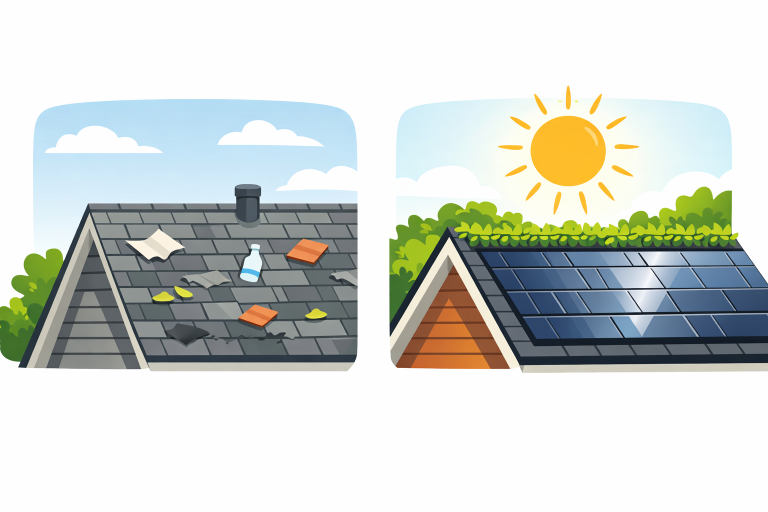
Significant advancements in roofing technology are allowing builders to choose from a growing array of environmentally friendly options. GAF Energy’s Timberline Solar is an industry milestone, integrating solar-generating technology seamlessly with roofing shingles in a format that can be installed with nails just like regular shingles. This design creates roofs that harness solar power while maintaining an attractive, traditional appearance, making renewable energy generation more accessible than ever before.
Other companies have combined sustainability with performance in groundbreaking ways. The Garland Company’s StressPly Legacy, for instance, employs a blend of 40 percent recycled and bio-based materials. This membrane not only offers waterproofing and strength but also incorporates smog-reducing granules to actively improve local air quality. These advances illustrate how modern sustainable roofing is about much more than recycled content, adding features that benefit both homeowners and the planet. To learn more about broader trends in green building materials, resources from Architectural Digest offer valuable insights.
Benefits of Sustainable Roofing
Switching to sustainable roofing brings a range of important benefits that go beyond the construction site:
- Environmental Impact: Using renewable and recycled roofing options helps decrease landfill contributions, conserves natural resources, and supports circular economy practices within the industry.
- Energy Efficiency: Cool roofs and those with integrated solar panels reflect more sunlight and generate clean energy, significantly lowering building energy demands.
- Durability: Many eco-friendly products are engineered for greater longevity, resisting weather, wind, and other environmental stressors better than traditional asphalt shingles.
- Indoor Comfort: Sustainable roofing materials not only improve a building’s insulation but also help maintain a more consistent indoor temperature year-round.
Challenges and Considerations
While the benefits are clear, the path to adopting sustainable roofing is not without obstacles. First, some eco-friendly materials and integrated technologies come with higher upfront costs compared to traditional products. However, these investments may lead to significant savings over time due to durability and enhanced energy performance.
There is also a learning curve for both property owners and installers. Innovative materials like solar shingles or recycled-content membranes often require specialized installation techniques and familiarity with new technologies. Lastly, navigating complex permitting processes and ensuring compliance with evolving codes and standards can pose challenges for those looking to install the latest roofing products. Advice from organizations like the Natural Resources Defense Council can be helpful for understanding policy trends and best practices for green building projects.
Future Outlook
The momentum for sustainable roofing shows no signs of decelerating. With global focus shifting toward decarbonization and energy resilience, the construction industry is expected to continue investing in research and development of greener roofing solutions. Recently, CertainTeed introduced a complete roofing system designed to meet IBHS FORTIFIED Roof standards, which underscores both the environmental and safety demands of today’s market. As more durable and versatile products emerge, even more property owners can expect practical, eco-friendly choices to become mainstream.
Conclusion
Embracing sustainable roofing materials is revolutionizing how new roofs are built, repaired, and maintained. These developments align with a larger movement toward more responsible construction practices that consider long-term environmental, economic, and social impacts. By selecting forward-thinking roofing options, homeowners and builders are shaping a greener, more resilient future for communities everywhere.