From Plywood to Engineered Screens: How Storm Protection Materials Have Actually Evolved to Protect Your Property
Every hurricane season, a new wave of coverage repeats the same advice: board up the windows, secure loose furniture, prepare to shelter in place. What rarely gets covered is how much the actual materials behind that advice have changed. The plywood-and-nails approach that defined storm prep for decades has largely given way to engineered systems that didn’t exist in any practical form a generation ago, and the shift says a lot about how the industry learned from its worst failures.
What Property Owners Reached For Before Modern Codes Existed
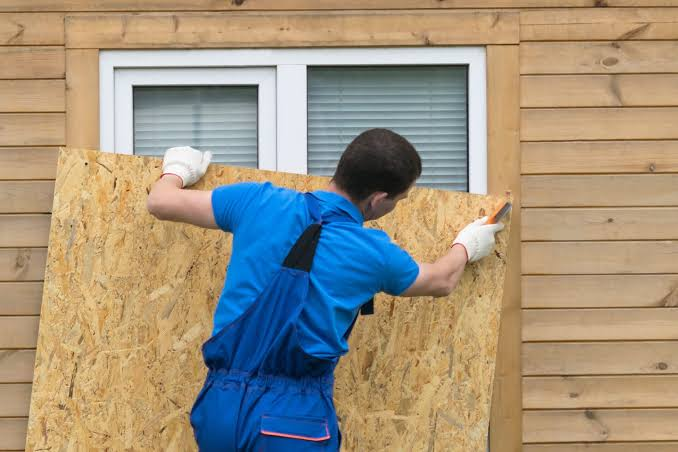
For most of the 20th century, storm prep in coastal regions meant plywood, nails, and whatever lumber was on hand at the local hardware store. It was cheap and widely available, but it came with real limitations that nobody was tracking closely at the time:
- No standardized testing behind any of it, so nobody actually knew how a given sheet would hold up at a specific wind speed
- Had to be measured and cut for each opening individually, with no consistency from one installation to the next
- Degraded with repeated exposure to moisture and had to be replaced often
Two houses on the same street could end up with wildly different levels of actual protection depending on who did the boarding and how well it was fastened. That inconsistency became one of the central lessons of the storm that changed the industry, and it’s a big part of why the industry eventually moved toward manufactured, testable ways to protect your property instead of leaving it to guesswork.
The Storm That Rewrote the Rulebook
Hurricane Andrew struck South Florida in 1992 as a Category 5 storm, and the damage exposed just how uneven construction and storm protection practices had become across the region. Investigators who studied the aftermath found that identical storm intensity produced wildly different outcomes block by block, and the difference usually came down to construction quality and what, if anything, had been done to protect openings before the storm hit.
In the years that followed, Florida moved to replace its patchwork of local building codes with a single statewide standard, and that new code specifically banned cheaper materials like particleboard while requiring impact-resistant windows or approved shutters on new construction. It was the first time storm protection materials were treated as a regulated, testable category rather than a matter of individual judgment, and that regulatory shift is what created real demand for manufactured products.
How the Materials Actually Compare
Three generations of storm protection materials have dominated at different points, and each one solved a specific problem the last one couldn’t. Plywood was slow to install, had to be cut for each opening, and offered no reusability once a storm passed. Rigid aluminum and steel panels fixed the durability problem, but they came with their own tradeoffs:
- Moderate to slow installation since each panel has to be lifted and bolted into place
- Significant storage space required between seasons
- No light transmission at all once installed, leaving buildings completely dark during prep
Engineered fabric screens address most of those tradeoffs directly. They install faster than panels, store in a fraction of the space, and allow partial light transmission while still meeting the same wind resistance testing standards.
Panels solved the wind rating problem plywood never addressed, but they never solved the labor and storage problem, and that gap is what pushed manufacturers toward a lighter design altogether.
Where Rigid Panels Started Running Into Limits
The tradeoffs became clearer as property owners lived with rigid panels season after season. The panels are heavy enough that larger commercial openings need multiple people and equipment just to lift and position each section, and once installed, they block out all natural light entirely, which forces businesses to either close during prep or operate in the dark. For a commercial property trying to stay open as long as possible before a storm makes landfall, that tradeoff mattered more with every season, and it started to shape what property owners began asking manufacturers for next.
What Changed With Engineered Fabric Systems
The most recent shift came from combining lightweight, high-tensile fabric with reinforced support bars instead of relying on rigid sheeting. These systems are built to hold up to Category 5 wind conditions while weighing a fraction of an equivalent panel system, and because the fabric allows partial light transmission, buildings don’t have to go completely dark during prep.
The material science behind this is fairly straightforward. A flexible, engineered fabric distributes wind load differently than a rigid sheet does, which is part of why these systems can span wider openings with fewer attachment points while still meeting the same wind resistance standards panels are tested against. Fewer attachment points also means less structural anchoring is needed on the building itself, which matters on older commercial facades where repeated drilling into the exterior isn’t always practical.
Installation crews working with these systems also report shorter setup times per opening, since a single fabric section paired with support bars can often replace what used to require several rigid panels and a longer bolt-down process. For a property with dozens of openings to secure before a storm, that difference in labor time adds up quickly, and it’s part of why commercial owners in particular have been the fastest to adopt fabric-based systems over the last several years.
Where the Next Generation of Materials Is Headed
Storm protection materials tend to evolve in response to what the last major storm exposed, and that pattern hasn’t changed. Ongoing research into wind-borne debris resistance and building envelope failure continues to shape testing standards, which means today’s engineered systems will likely look dated in another twenty years, the same way plywood eventually did.
What’s different now is that property owners have more than one credible, code-compliant way to protect your property, rather than a single default material everyone reaches for regardless of building type or budget. The useful question for anyone deciding what to install this season isn’t which material is objectively best in a vacuum. It’s which one matches the specific openings, labor capacity, and operational needs of the property in question.