Does a Bigger House Actually Make You Happier?
Are you feeling the constant pressure to upgrade to a larger house? It is easy to scroll through real estate listings and feel a twinge of jealousy at the sight of massive properties with endless rooms. The cultural narrative tells us that success means upgrading our square footage at every opportunity. But is the relentless pursuit of a bigger house actually worth the financial and mental stress?
Why Bigger Isn’t Always Better
Human beings have a remarkable ability to adapt to new situations. Psychologists call this the “hedonic treadmill.” It is our tendency to quickly return to a baseline level of happiness despite major positive events. When you buy a massive new house, you will likely feel a rush of excitement and pride.
However, that feeling is almost always temporary. The common misconception is that doubling your square footage will permanently double your life satisfaction. After a few months, the thrill of the grand entryway fades, and the sprawling layout just becomes your normal daily environment. You adapt to the space, and your baseline happiness levels out.
Finding the “Right Fit” Over Raw Square Footage
Stepping off the real estate hedonic treadmill requires a major mindset shift. You have to start prioritizing a home’s structural integrity, layout, and “right fit” over its sheer size. A house is a physical machine meant to support your life, not a status symbol to show off to neighbors.
This means changing how you shop for real estate. You should treat every home viewing like a mini-inspection. Look past the fresh paint and staging furniture to identify signs of layout obsolescence or unpermitted work. A massive house with a poorly designed kitchen or failing foundation will bring you nothing but costly regret.
When you realize that happiness stems from how a home functions rather than how massive it is, the goal shifts from finding the biggest house to finding the right house. Partnering with Get Happy at Home, a real estate team that prioritizes structural integrity and lifestyle fit over sheer size is the first step to ensuring you actually are happy at home.
The Hidden Costs of Upsizing
The Rise of Expensive “Dead Zones”
One of the biggest pitfalls of buying a large house is the creation of “dead zones.” These are the formal dining rooms, extra guest bedrooms, or oversized media rooms that look fantastic on a floor plan. In reality, they sit empty and unused 95 percent of the time. You end up paying a premium for space you do not actively inhabit.
Managing these unused zones actively drains a homeowner’s time and mental health. Every square foot you own is a square foot you have to clean, heat, and maintain. Vacuuming empty guest rooms and dusting formal dining tables you never use quickly transforms from a point of pride into a frustrating weekend chore.
Maintenance, Utility, and Debt Burdens
The financial reality of maintaining a larger home is often a shock to new buyers. Escalating financial costs go far beyond the initial purchase price. You will face significantly higher heating and cooling bills, increased property taxes, and much larger repair bills for things like roof replacements or exterior painting.
This heavy financial burden directly erodes your daily happiness. The stress of managing a massive mortgage and surprise maintenance costs can easily outweigh the joy of having extra rooms. Many homeowners find themselves working constantly just to afford the upkeep on a house they barely have time to enjoy.
Contrast this with the freedom of living in a smaller, more financially manageable footprint. True freedom at home comes from having the financial flexibility to live your life on your terms. When your housing costs are well within your means, you have the resources to travel, invest, and spend quality time with loved ones.
What Actually Makes You Happy at Home?
Layout, Flow, and Natural Light
If extra space does not create happiness, what does? The answer lies in the specific architectural and design elements that genuinely elevate daily well-being. A brilliantly designed 1,500-square-foot home will always feel better than a poorly designed 3,000-square-foot house. Layout completely trumps size when it comes to daily livability.
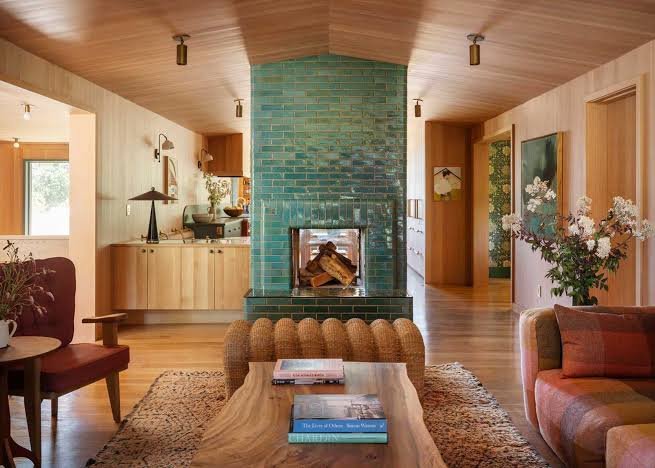
Abundant natural light is one of the most powerful mood boosters in any home. A smaller house with massive windows and skylights will feel infinitely more welcoming than a sprawling, dark mansion. A seamless flow between the kitchen, living area, and outdoor spaces also makes daily routines feel effortless.
Sometimes, small structural changes make all the difference. Removing a single non-load-bearing wall to improve line-of-sight between the kitchen and the living room can completely transform how a house feels. It allows light to travel further and makes the entire home feel connected and spacious without adding a single square foot.
Connection-Driven Floor Plans
The physical layout of your home directly shapes your household dynamics and social connections. Behavioral science indicates that people living in moderate-sized households with strong social connections report higher levels of life satisfaction than those isolated in massive homes, according to global happiness data. When a house is too large, family members tend to retreat to their own corners, reducing natural daily interactions.
Intentionally designed spaces naturally draw family and friends together. A comfortable central kitchen island or a cozy, well-lit living room acts as a magnet for social connection. These are the spaces where conversations happen, homework gets done, and memories are actually made.
Prioritizing spaces meant for gathering creates a sense of community. You simply cannot buy that feeling with unused square footage. A smaller home that forces people to casually interact builds stronger relationships and a deeper sense of belonging.
Conclusion
Happiness at home is a product of functional design, manageable costs, and social connection. It is not about securing maximum square footage just to impress your peers or fulfill an outdated societal expectation. The most satisfying homes are the ones that serve your daily needs without draining your bank account or your free time.
By letting go of the pressure to endlessly upsize, you gain an incredible amount of freedom. You have the power to find a home that fits your actual life right now. Making intentional choices based on layout and connection will make your real estate journey a genuinely fun and rewarding milestone.