Where Should You Put a Fire Pit? A Practical Backyard Placement Guide
Key Takeaways
- Place your fire pit in a safe location with proper clearance from structures and combustible materials.
- Choose a level, heat-resistant surface and consider wind, seating, and walkways.
- Follow local regulations and manufacturer guidelines for your fire pit’s fuel type.
- Careful planning creates a safer, more comfortable, and enjoyable outdoor gathering space.
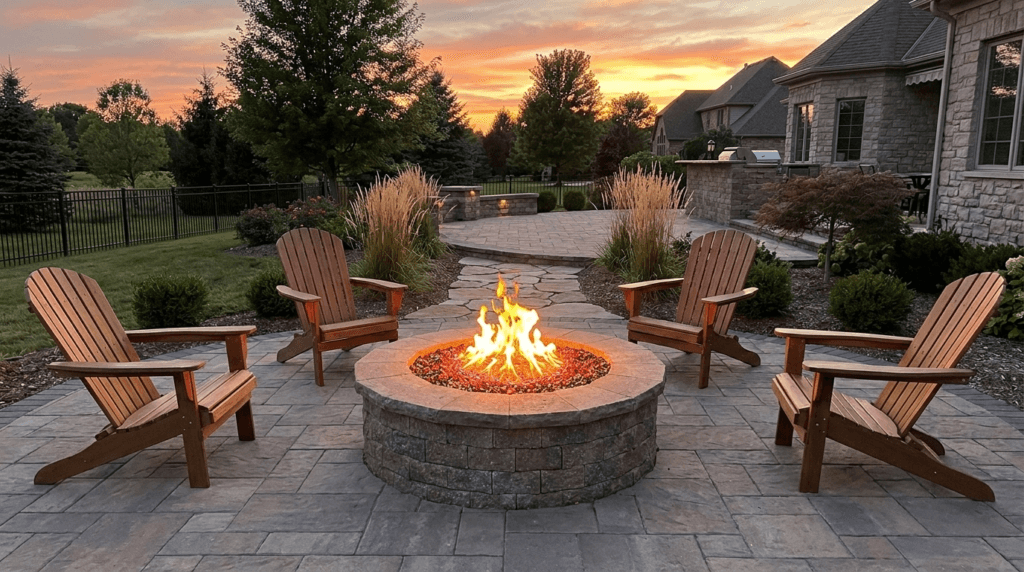
A fire pit can turn an ordinary backyard into a favorite place to relax, cook, and spend time with friends. The best location balances safety, comfort, airflow, and the way people move through the yard. If you are exploring fire pit landscaping ideas Louisa, start by thinking beyond the fire feature itself and consider the entire outdoor living area around it.
Good placement helps keep flames, heat, smoke, and sparks away from structures and combustible materials while making the seating area easy to enjoy. A poorly positioned fire pit can crowd a patio, send smoke through open windows, block a gate, or create unnecessary risks near fences, trees, and outdoor furniture.
Why Fire Pit Placement Matters
A fire pit should feel like a natural gathering point, not an obstacle in the middle of the yard. Its location affects fire safety, smoke direction, nighttime access, furniture layout, and whether guests can comfortably talk without feeling crowded. When it is placed thoughtfully, the fire pit can define an inviting outdoor zone while leaving room for dining, play areas, gardens, and everyday foot traffic.
Before committing to a permanent installation, picture how people will use the space. Consider where guests enter, where children and pets may play, and how close the feature will be to the house. A few minutes of planning can prevent a fire pit from becoming too hot, smoky, or inconvenient to use.
Check Local Rules Before Installation
Review city, county, fire department, and homeowners association requirements before choosing a location. Rules may differ for portable and built-in units, as well as wood-burning, propane, and natural gas fire pits. Some communities restrict open flames during dry conditions, require permits for gas lines, or set minimum distances from buildings and combustible materials.
Measure Safe Clearance Zones
Measure the proposed site before buying pavers, furniture, or a fire pit. Keep the unit and its surrounding heat zone clear of homes, garages, fences, sheds, decks, railings, wood piles, dry vegetation, mulch, and patio furnishings. Safety is not only about the distance to the house. You also need an open room around the flames for people to sit, stand, and move without brushing against hot surfaces.
Mark the footprint with stakes, string, chalk, or a garden hose. Then place chairs around the outline and walk through the area as if the fire pit were already installed. This simple test can reveal a cramped pathway, a tight seating arrangement, or a location that is too close to a gate or patio door.
Choose The Right Surface
A level, firm, heat-resistant surface gives a fire pit a safer foundation. Concrete, stone, pavers, compacted gravel, and manufacturer-approved fire pit pads are common choices. The right material depends on the type of unit, the existing landscape, drainage conditions, and whether the installation will be permanent.
Avoid uneven ground that could allow a portable fire pit to wobble. Grass can dry out, scorch, or conceal leaves and other debris beneath the unit. Wood and composite decks need special caution because they can be damaged by radiant heat and embers. Do not assume a protective pad makes every setup safe. Confirm that the fire pit manufacturer specifically approves the surface and placement. For built-in features, slope the surrounding surface slightly so rainwater does not collect around the burner, bowl, or seating area.
Watch Wind And Overhead Hazards
Wind can make an otherwise attractive location unpleasant by sending smoke toward guests, doors, windows, or nearby homes. Observe the yard on different days and at different times before choosing a final spot. A site that feels calm in the afternoon may be smoky and exposed during the evening, when fire pits are used most often.
Never position a fire pit beneath low branches, roof overhangs, fabric canopies, umbrellas, combustible pergolas, or power lines. A noncombustible wall or screen may help soften a breeze, but it should not enclose the fire area or trap heat and smoke around guests.
Plan Seating And Walkways
Leave enough space between the fire pit and seating so people can enjoy the warmth without feeling exposed to the flames. Arrange chairs in a circle or gentle arc, with room to pull chairs back, pass behind other guests, and exit without squeezing through a narrow gap. Keep a clear route from the house to the fire pit, storage area, and gate.
Nighttime lighting along steps, changes in elevation, and walkways make the area easier to use safely. Consider children, pets, older adults, and anyone using a mobility aid. A fire pit placed directly outside a patio door often creates a bottleneck and can allow heat or smoke to drift indoors.
Match Placement To Fuel Type
Wood-Burning Fire Pits
Wood-burning units need the most open space because they produce sparks, ash, smoke, and shifting flame heights. Use dry, appropriate firewood, keep a spark screen available, and store extra wood well away from the fire area. Keep a hose, water supply, or approved extinguisher nearby, and never leave the fire unattended.
Propane Fire Pits
Propane fire pits may produce less smoke, but they still require proper clearance and ventilation. Protect the tank, hose, and control valve from foot traffic, furniture, pets, and garden tools. Keep fabrics, plants, and other heat-sensitive items away from the unit, and follow the product’s instructions for tank storage and use.
Natural Gas Fire Pits
Natural gas fire pits require early planning because the gas line and shutoff access affect where the feature can go. Have utility locations identified before digging, and use qualified professionals when permits, inspections, or gas connections are required. Since a built-in unit is not easy to relocate, confirm seating, drainage, and clearances before construction begins.
Avoid Common Placement Mistakes
- Putting the fire pit directly beneath tree branches or a covered structure.
- Installing a wood-burning unit on a deck without the manufacturer’s approval.
- Choosing a low spot where water pools after rain.
- Placing chairs too close to the flames or blocking the path behind them.
- Ignoring prevailing wind and nearby windows.
- Building beside a fence, shed, wood pile, or dense landscaping.
- Blocking gates, walkways, or emergency access routes.
- Failing to plan storage for fuel, covers, tools, and cooled ashes.
Final Thoughts
The right fire pit location begins with safety and ends with comfort. Choose a stable surface, leave generous clearances, plan for wind and access, and match the site to the fuel type. Taking time to measure, check rules, and test the layout before installation can create an outdoor gathering space that feels welcoming for years to come.