The Ultimate Guide to Go-Karting Safety: Tips for a Safe and Fun Track ExperienceKey Takeaways
- Strict adherence to safety rules greatly lowers the risk of go-kart injuries for all ages.
- Proper protective gear is non-negotiable for threat reduction on the track.
- Being aware and prepared helps you avoid the most common hazards in go-karting.
Table of Contents
- Understanding Go-Kart Safety Statistics
- Common Go-Kart Injuries and How to Prevent Them
- Essential Safety Gear for Go-Karting
- Track Rules and Etiquette
- Pre-Ride Inspection Checklist
- Age and Height Restrictions
- Importance of Supervision and Training
- Emergency Procedures and First Aid
Go-karting offers a blend of speed and competition that appeals to enthusiasts of all ages. The thrill of navigating tight corners at high speed, racing against friends, and improving your best lap time is unbeatable. However, with the fast-paced excitement comes the responsibility to prioritize safety on the track. For anyone considering go kart racing in Wilsonville OR or elsewhere, understanding the importance of safety will ensure you get the most out of your go-karting adventure without unnecessary risks.
Staying safe at the track is about more than just following the rules. It is about using proper equipment, being mindful of fellow drivers, and recognizing potential hazards before they become real dangers. Neglecting these aspects can lead to injuries or even tragic accidents, which is why this guide lays out effective and actionable safety tips you can practice every time you go karting.
Whether you are new to the sport or a veteran racer, reviewing these safety fundamentals benefits everyone. Community awareness and adherence to best practices play a critical role in creating a positive, injury-free environment for participants and spectators alike.
By focusing on these key concepts and implementing them consistently every session, you help make the experience enjoyable and safe for yourself and everyone sharing the track. Go-karting should be all about fun and friendly competition, not worrying about preventable accidents. You will also find useful guidelines from reputable organizations throughout this guide, so you can feel confident you are following industry-standard safety practices.
Understanding Go-Kart Safety Statistics
While go-karting is generally considered a safe activity when proper guidelines are followed, statistics show that it carries its share of risks. According to the U.S. Consumer Product Safety Commission (CPSC), more than 10,000 people end up in emergency rooms each year due to go-kart-related accidents. Alarmingly, about 67 percent of these cases involve children under the age of 15. These numbers highlight why thorough knowledge and application of safety measures are so important, regardless of your experience level.
For more insights and industry data, you can visit the Consumer Product Safety Commission’s dedicated safety page.
Common Go-Kart Injuries and How to Prevent Them
Typical go-kart injuries range from minor to severe. The most frequently reported include whiplash, fractures, lacerations, sprains, and concussions. These injuries generally result from high-speed collisions, spinouts, rollovers, or improper use of the track and karts.
- Wear a certified, properly fitted helmet every ride to minimize the impact of head injuries.
- Follow all posted rules and avoid aggressive maneuvers like bumping, swerving, and drifting.
- Closely inspect your kart every time before use, addressing defects immediately.
- Always buckle seat belts and adjust them for a snug fit.
By practicing these steps each time you take to the track, you dramatically lower your chances of injury.
Essential Safety Gear for Go-Karting
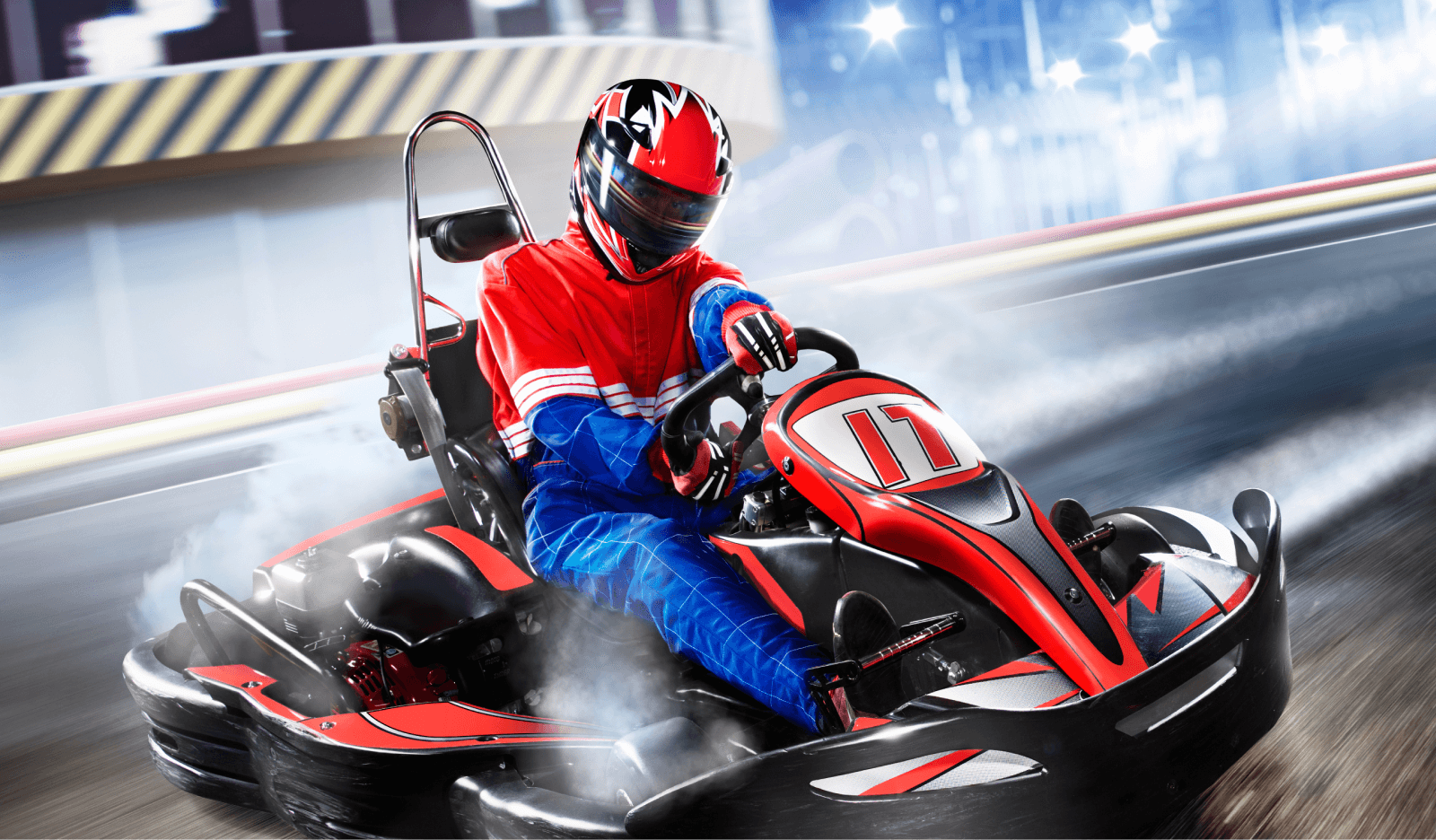
The right gear is non-negotiable for go-karting safety. Even at lower speeds, an accident can have serious consequences if you are unprotected. The most important items include:
- Helmet: Reduces the likelihood of traumatic brain injury in the event of a crash.
- Gloves: Essential for grip and preventing blisters or cuts during control maneuvers.
- Racing Suit or Jacket: Protects your skin from abrasions and reduces the risk of road rash.
- Closed-Toe Shoes: Shields feet and provides better control over pedals.
These basics complement any additional facility-specific gear to create a comprehensive layer of protection.
Track Rules and Etiquette
Respect for track rules is what keeps go-kart racing fair and risk-free for all. No matter your level of experience, you should:
- Pay attention to all instructions and posted track rules from staff.
- Maintain safe distances from other karts at all times.
- Never intentionally bump into other drivers, even as a playful gesture.
- Allow faster drivers to pass safely, using mirrors and checking behind you.
- Exit the track only at designated points and under direction from staff.
Proper etiquette ensures everyone can enjoy the activity without preventable accidents. For further reading, check the recommendations provided by K1 Speed’s racing rules.
Pre-Ride Inspection Checklist
Every safe session starts with a check. Prior to entering the track, take a couple of minutes to examine your kart with this quick checklist:
- Test the brakes and accelerator for responsive, smooth operation.
- Check tire pressure and ensure treads are in good condition.
- Securely fasten and adjust the seatbelt to your body size.
- Scan for any cracks, loose bolts, or obvious signs of wear and tear in the frame or steering.
Early detection of potential issues keeps you and fellow participants safer.
Age and Height Restrictions
Facilities enforce age and height minimums for a reason. A tragic example involves a six-year-old who did not meet the recommended height and was permitted to drive, resulting in a fatal outcome. Adhering strictly to a track’s published requirements reduces risk for younger children, who may lack the coordination or strength to handle go-karts safely. Always follow the guidelines specific to the facility you visit, regardless of your child’s or participant’s eagerness to take part.
Importance of Supervision and Training
Young and inexperienced drivers benefit greatly from hands-on instruction and close supervision. Facilities should provide clear directions covering kart operation, track layout, and emergency procedures prior to every session. Supervisors help reinforce rule compliance and quickly address any unsafe behavior. For families or beginners, never underestimate the value of a safety briefing and ongoing oversight as drivers build their skills.
Emergency Procedures and First Aid
No matter how diligent you are, emergencies can occur. Knowing what to do ahead of time can make all the difference:
- Familiarize yourself with the facility’s emergency plans and protocols.
- Identify the locations of first aid stations and emergency exits before racing.
- Always report accidents, near misses, or maintenance concerns to staff immediately, even if injuries seem minor.