Common Causes of Household Drain Clogs and How to Prevent Them
Key Takeaways
- Hair, grease, and food debris are the main culprits in household drain clogs.
- Proactive maintenance reduces the frequency of plumbing problems.
- Simple tools like drain guards, along with avoiding harsh chemicals, help preserve your plumbing system.
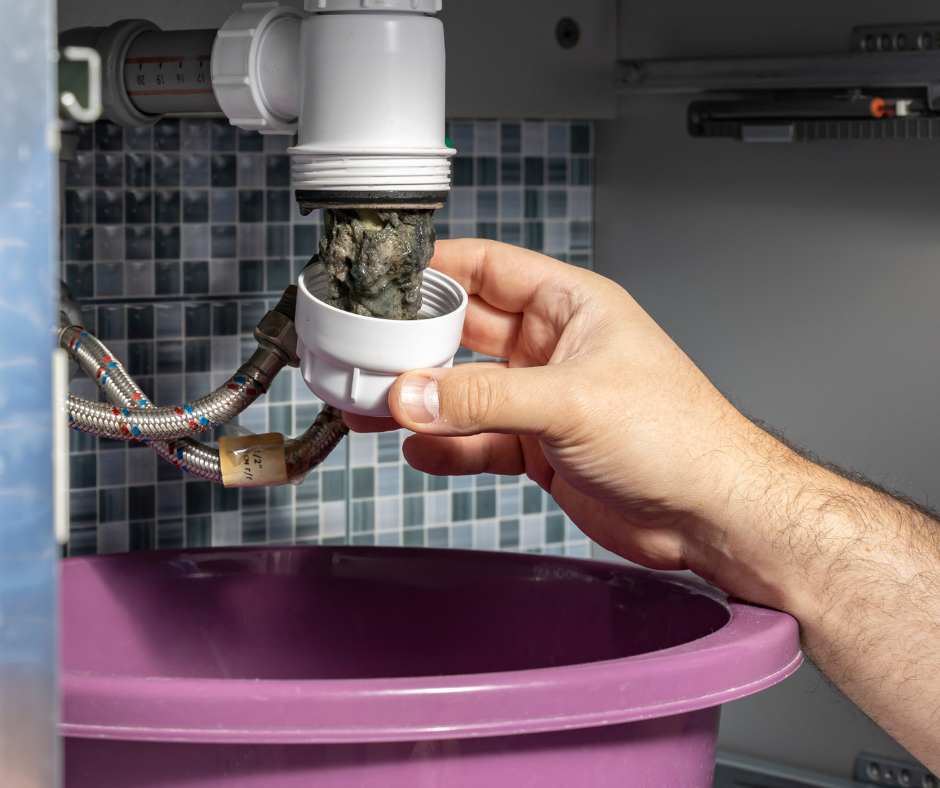
Dealing with a clogged drain is a hassle that most homeowners face at some point. Recognizing the most common sources of drain blockages and taking targeted steps to prevent them are essential for keeping a home’s plumbing reliable. For anyone in the Salt Lake City area, using professional services like sewer drain cleaning and hydro jetting in Salt Lake City can ensure long-term performance and prevent major plumbing emergencies. By establishing smart habits and proper drain care, you can minimize the risk of frustrating clogs and expensive repairs.
Understanding what causes household drains to clog is the first step in adopting effective maintenance strategies. Many blockages are avoidable with simple awareness and routine upkeep. Homeowners who educate themselves about common problem sources protect not only their pipes but also their peace of mind. Knowing when to handle issues yourself and when to call professionals can make all the difference.
Hair Accumulation
Hair is notorious for clogging bathroom drains. When it mixes with soap and other product residues, it forms sticky clumps that cling to the inside of pipes. Over time, this buildup narrows the water passage, resulting in slow-draining sinks, tubs, and showers. To reduce the risk, install drain guards or strainers to capture hair before it enters your plumbing system. Regularly cleaning these strainers and brushing your hair before bathing can further reduce the amount of hair that reaches the drain.
Grease and Oil Buildup
Kitchen drains are easily clogged by grease and oil poured down the sink. Although the substances may be liquid at high temperatures, they quickly solidify on the inner surfaces of pipes as they cool, forming stubborn blockages. The best preventive measure is to collect grease and cooking oils in a separate container and throw them in the trash. Periodically flushing the drain with hot water and a small amount of dish soap can help to clear out minor residues. For more guidance, consult reputable resources such as Good Housekeeping’s tips for unclogging drains.
Food Waste
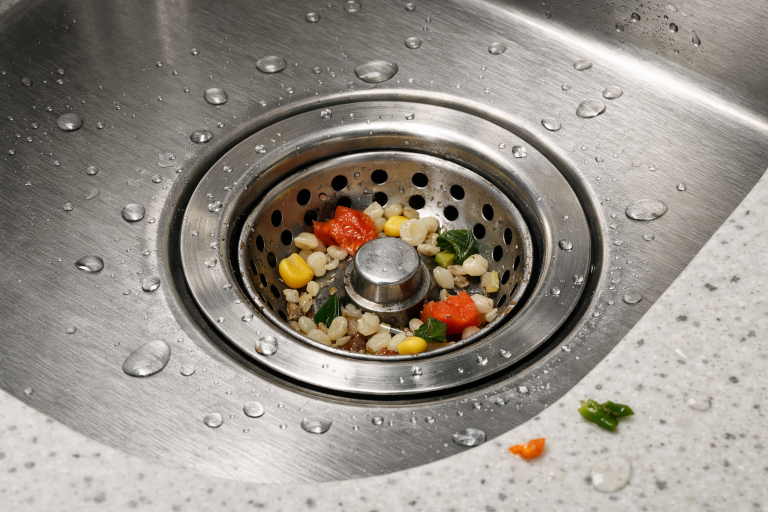
Even with a garbage disposal, not all food waste is safe for your kitchen drain. Items such as pasta, rice, coffee grounds, and stringy vegetables can expand or tangle, easily clogging pipes. To prevent this, avoid sending these foods down the drain and instead compost what you can. A sink strainer can be used to capture food debris before it becomes an issue.
Soap Scum
Soap residue is a sneaky contributor to drain clogs, especially from bar soaps. These substances can combine with hair and minerals in the water, creating a solid buildup that restricts water flow. Switching to liquid soap and routinely flushing bathroom drains with hot water can reduce the problem. A simple mix of baking soda and vinegar can also break down soap scum and deodorize your drains effectively.
Foreign Objects
Accidentally dropped objects such as rings, children’s toys, or small hygiene products can cause sudden blockages. Prevent issues by being extra cautious to keep foreign items away from open drains and by using physical covers where possible. If something accidentally falls in, act quickly to remove it before flushing more water down the drain and worsening the obstruction.
Mineral Buildup
In regions with hard water, mineral-laden deposits such as calcium and magnesium can accumulate in pipes over time. This gradually narrows pipe openings and impedes water flow. Installing a water softening system is an effective preventive measure, while regularly descaling faucets and showerheads can prolong your plumbing’s health. The Good Housekeeping guide to removing hard water stains provides additional insight and techniques for routine mineral deposit removal.
Tree Root Intrusion
Sometimes, the cause of a blockage is found outside the house. Tree roots are attracted to the moisture within underground pipes. Over time, tiny cracks can expand as roots force their way in, leading to blockages or even broken pipes. It is wise to avoid planting large trees too close to sewer lines, and to schedule professional pipe inspections if you suspect roots are a problem. Rapid intervention from skilled plumbers can help avoid major property damage.
Preventive Measures
- Use Drain Guards: Simple strainers can intercept hair and food particles before they travel into your plumbing system.
- Regular Maintenance: Clean drains regularly with hot water and natural solutions like vinegar and baking soda to prevent buildup.
- Avoid Chemical Cleaners: Harsh cleaning products may damage pipes over time and are often ineffective for severe or persistent clogs.
- Mindful Disposal: Throw food waste, grease, and non-biodegradable items in the trash, not down the drain.
Taking proactive steps to prevent drain clogs can significantly improve the efficiency and longevity of your home’s plumbing system. Simple habits such as properly disposing of grease, avoiding flushing harmful materials, and scheduling regular drain maintenance help reduce buildup and blockages over time. Homeowners who address minor drainage issues early and seek professional assistance when necessary can avoid expensive repairs, water damage, and plumbing emergencies. Consistent care ensures smoother drainage, better system performance, and greater peace of mind year-round.