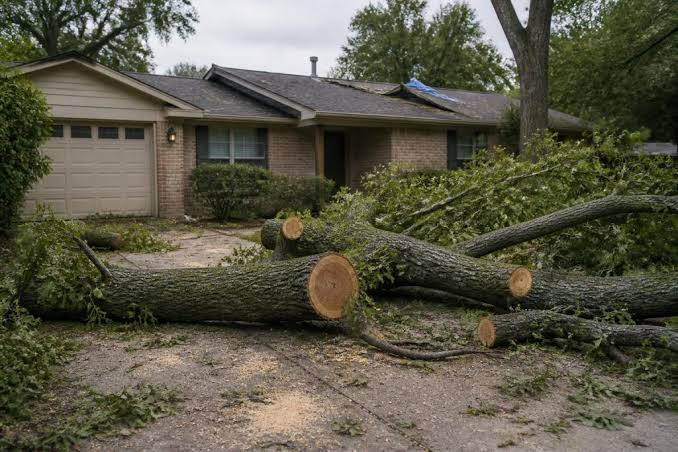
What To Do When A Tree Falls On Your Property in Rock Hill, South Carolina
Key Takeaways
- Move people and pets away from the tree, damaged structures, and the possible fall area.
- Treat every downed, sagging, or tangled power line as energized.
- Do not cut, pull, climb on, or move a tree that may be under tension.
- Document damage only after the area is safe.
- Call emergency responders, utilities, insurers, and qualified professionals in the right order.
A fallen tree can turn a quiet Rock Hill yard into a serious safety issue in seconds. Whether it comes down after a thunderstorm, saturated ground, strong wind, or unnoticed decay, the safest first move is to slow down and keep everyone clear. Homeowners who need help assessing a dangerous situation can contact an emergency tree removal Rock Hill service after immediate utility and life-safety concerns are addressed.
Across Rock Hill, South Carolina, mature shade trees are part of the character of many neighborhoods, but large limbs and root systems can create hidden hazards when they fail. A trunk that appears settled may still shift, a cracked limb may drop without warning, and a tree resting on a roof or fence can be supporting more weight than it seems.
Start With Safety, Not Cleanup
Move children, pets, visitors, and vehicles away from the tree and from any damaged building. Keep people outside the likely fall zone, especially if the tree is leaning, partly suspended, or caught in another tree. Broken branches, split trunks, lifted roots, damaged fencing, and roof debris all deserve caution.
Do not assume that a tree is harmless because it has stopped moving. Wood fibers can be under pressure, and disturbed soil can allow a root plate to shift. If a limb is hanging above a driveway, walkway, play area, or entrance, arrange emergency branch removal only after the surrounding area has been secured, and the hazard can be assessed safely.
Quick Area-Safety Checklist
- Leave the damaged area and keep others from entering it.
- Look from a safe distance for hanging limbs, fresh trunk cracks, and lifted soil.
- Stay clear of damaged roofs, sheds, fences, vehicles, and outdoor structures.
- Do not walk beneath branches that are caught overhead.
Check for Power, Gas, and Structural Hazards
Never approach a tree that touches or rests near a power line. Do not touch the tree, a nearby fence, a vehicle, standing water, or anything else that could be in contact with an energized line. Call 911 when there is an immediate threat to people, traffic, or property, and report the issue to the electric utility.
If a tree strikes a home near a gas meter or service line, take a gas odor, hissing sound, exposed pipe, smoke, or sparking seriously. Leave the area and contact emergency services or the gas utility from a safe location. Guidance on what to do when a tree damages a home emphasizes protecting occupants first, documenting damage only when safe to do so, and promptly notifying the insurer.
Do not re-enter a house simply to retrieve belongings if the roof, walls, ceiling, wiring, or utilities may be compromised. Major roof damage, shifting ceilings, cracked walls, exposed wiring, water entering the home, or a tree still partially attached to the structure are all reasons to wait for professional evaluation.
Avoid the Most Dangerous DIY Mistakes
A chainsaw is not a solution for every fallen tree. Cutting a bent, pinned, suspended, or partly supported trunk can suddenly release stored force. The same is true of branches caught under the trunk, limbs wedged in a canopy, and root balls that have lifted out of the ground.
- Do not pull a tree with a pickup truck, rope, winch, or lawn equipment.
- Do not climb onto a trunk or roof to remove limbs.
- Do not cut branches that are pressing on a house, fence, or power line.
- Do not stand in the path of a leaning trunk or under a suspended limb.
Even a relatively small tree can injure someone or cause further damage when it shifts unexpectedly. Complex removals are best left to crews equipped to manage cutting sequence, rigging, access, and debris without putting nearby homes or people at greater risk.
Document Damage and Contact the Right People
Once the area is safe, take wide photos and close-up images of the tree, affected structure, vehicle damage, broken fencing, and visible entry points for water. Note the date, time, weather conditions, and any utility concerns. Keep receipts for emergency tarping, boarding, lodging, pet boarding, and other reasonable temporary measures.
Contact professionals in this order when the circumstances require it:
- Emergency services: Call 911 for immediate danger, fire, injury, blocked public roads, or utility emergencies.
- Utility providers: Report downed lines, damaged poles, outages, or suspected gas-line damage.
- Your insurance provider: Ask about claim procedures, deductibles, temporary repairs, and debris-removal limits.
- A roofing or building professional: Request an inspection if a home, garage, shed, or other structure was hit.
- A qualified tree professional: Request a written assessment for stabilization, removal, hauling, and cleanup.
Questions to Ask Before Tree Work Begins
Choose a company based on safety, scope, and qualifications rather than price alone. Ask whether the business carries current liability and workers’ compensation coverage, whether utility clearance is needed, and how the crew will protect driveways, roofs, landscaping, and underground features.
Get a written description of what is included. Tree cutting and hauling may be separate from stump grinding, wood removal, turf repair, fence repair, or roof work. Confirm who will remove debris, whether the work includes final cleanup, and whether access limitations could change the estimate.
Basic Insurance and Cleanup Considerations
Insurance coverage depends on the policy, the cause of loss, the property damaged, and policy limits. A tree that damages a covered structure may be handled differently from one that simply lands in the yard. Ask your insurer whether emergency removal, temporary weather protection, lodging, driveway clearance, and stump work are covered before making assumptions about reimbursement.
When the dangerous material is removed, inspect the area before allowing children or pets back outside. Look for splintered wood, nails, sharp debris, small branches, damaged irrigation parts, and holes left by roots. Cleanup may also involve repairing turf, drainage paths, fences, roofs, or driveways.
Watch Leaning Trees Before They Fall
A leaning tree is not always an emergency, but a new lean can indicate root failure, trunk damage, or soil movement. Keep people and vehicles out of its likely path if you notice newly exposed roots, raised soil, fresh cracks, separated bark, hanging limbs, or movement that was not present before. Do not attempt to straighten or brace the tree without professional advice.
Conclusion: Put Safety Before Speed in Rock Hill
When a tree falls on a Rock Hill property, the priority is simple: clear the area, avoid utility hazards, protect the home from further damage when safe to do so, document the scene, and bring in the appropriate professionals. A calm response protects your household, supports an insurance claim, and helps prevent a difficult cleanup from becoming a more serious emergency.