What Homeowners Should Check Before Replacing an Air Conditioner
Key Takeaways
- Review your current system’s age, repair history, comfort problems, and operating costs before deciding to replace it.
- Choose equipment based on a room-by-room load calculation, not square footage alone.
- Check ducts, insulation, electrical capacity, drainage, and thermostat placement before installation begins.
- Compare the full project scope, including permits, labor, warranties, testing, and long-term maintenance.
- Request documented startup testing to confirm safe, efficient operation.
Replacing an air conditioner is more involved than removing an old outdoor unit and setting a new one in its place. A successful project considers the home’s ductwork, insulation, electrical service, drainage, thermostat, and cooling needs as a single, integrated system. Homeowners who start with a careful evaluation are less likely to pay for equipment that does not solve their comfort problems.
Working with an experienced installer, such as Service First HVAC & Electrical, can help homeowners identify issues that may affect performance before selecting a replacement. The goal is not simply to install a newer air conditioner. It is to create dependable cooling, balanced temperatures, reasonable energy use, and manageable maintenance for years ahead.
Why Replacement Takes More Than a New Box
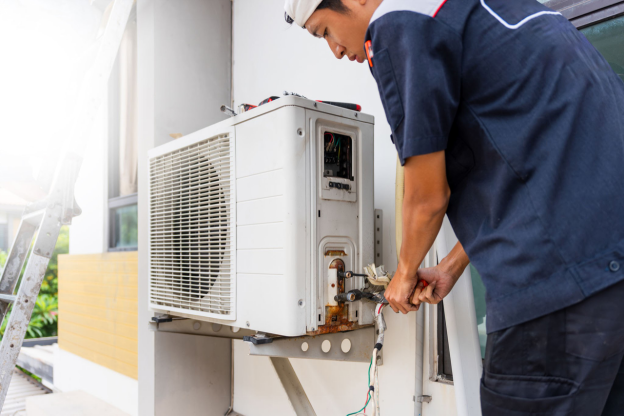
An air conditioner depends on much more than the outdoor condenser. It must work with the indoor coil, blower, return vents, supply ducts, thermostat, condensate drain, and electrical circuit. Even a high-efficiency system can deliver disappointing results when airflow is weak, ducts leak, or the equipment is improperly sized.
Home conditions affect humidity, noise, energy bills, and room-to-room comfort. For example, a hot upstairs bedroom may be caused by poor attic insulation, an undersized return air duct, blocked vents, or sun exposure through windows. Installing a larger system without finding the cause can create new problems instead of fixing the old ones.
Check Whether Repair or Replacement Makes Sense
Signs Replacement May Be Worth Considering
- The air conditioner is more than 10 years old and needs increasingly frequent repairs.
- Energy bills are rising without a meaningful change in household use or utility rates.
- Some rooms remain warm, humid, or uncomfortable during normal operation.
- The system runs loudly, has short cycles, leaks water, or struggles to reach the thermostat setting.
- Replacement parts are difficult to obtain, or the system uses an older refrigerant.
Age alone should not make the decision. A newer system with a minor electrical fault, worn capacitor, or drain issue may still be a sensible repair candidate. However, homeowners facing repeated service calls should compare the repair cost with the value, reliability, and expected lifespan of a properly installed replacement. Common warning signs that it may be time to replace heating and cooling equipment can also help frame that conversation.
Review the Home Before Choosing Equipment
Inspect Insulation and Air Leaks
Check attic insulation, weatherstripping, doors, windows, and penetrations around pipes or wiring. Air leaks and inadequate insulation allow heat to enter the home, especially on upper floors and in rooms exposed to afternoon sun. Improving the building envelope can reduce cooling demand and may prevent the need for oversized equipment. Bigger is not a substitute for better insulation or sealed leaks.
Look at Ductwork and Airflow
Inspect accessible ducts for loose joints, crushed flex duct, disconnected runs, damaged insulation, and obvious gaps. Make sure furniture, rugs, and curtains are not blocking supply or return vents. Poor duct performance can lead to uneven temperatures, excess noise, damp indoor air, longer run times, and higher operating costs. A contractor should determine whether the existing ducts can move the required airflow for the proposed system.
Choose the Right System Size
“Bigger is better” is poor advice for air conditioning. An oversized unit may cool the air too quickly, shut off before removing enough moisture, and cycle more often than necessary. An undersized unit may run for extended periods yet still fail to maintain the desired indoor temperature on hot days.
Ask for a room-by-room load calculation that accounts for the home’s layout, insulation, windows, orientation, ceiling height, occupants, and local climate. The equipment sizing, duct evaluation, airflow, and refrigerant checks recommended for quality installation provide useful questions to include before approving a proposal.
Compare Efficiency in a Practical Way
Higher efficiency ratings can reduce energy use, but the best system is not automatically the model with the highest rating. Compare the installed price, expected operating costs, repair support, warranty terms, and the length of time you expect to own the home. Confirm that quoted efficiency ratings apply to matched indoor and outdoor components, not just to a single piece of equipment.
A heat pump may also be worth considering if the home needs both heating and cooling. Before treating rebates or tax incentives as guaranteed savings, verify current utility programs and applicable rules, since eligibility can depend on equipment specifications, installation dates, household income, and local requirements.
Check Electrical and Drainage Needs
Electrical Review
The existing electrical panel, breaker, disconnect, wiring, and grounding must safely support the new equipment. A replacement can reveal outdated wiring or insufficient capacity, particularly when a homeowner is changing system type or installing a larger heat pump. Qualified professionals should handle electrical modifications and ensure permit requirements are met.
Condensate Drainage
Cooling systems remove moisture from indoor air, and that water needs a reliable path away from the home. Review the drain line, trap, condensate pump (if needed), and overflow protection. The completed drain route should be sufficiently visible for inspection, protected from damage, and designed to reduce the risk of hidden water leaks or backups.
Ask About Refrigerant and Equipment Rules
Ask which refrigerant the new equipment uses and whether the indoor coil, refrigerant lines, and other components can be reused. Do not assume that an old coil or line set is compatible with every new system. Current equipment standards and manufacturer instructions may require specific components, installation practices, or safety measures. The written proposal should explain what will be retained, replaced, cleaned, or tested.
Prepare the Home for Installation Day
- Clear a safe path to the indoor unit, attic, crawl space, or utility room.
- Move fragile items and stored belongings away from the work area.
- Trim plants and remove debris around the outdoor equipment location.
- Secure pets and keep children away from tools, open panels, and work zones.
- Confirm parking, gate access, entry instructions, and possible power interruptions.
- Plan for temporary noise, dust, and limited cooling while work is underway.
Review the Written Proposal and Startup Testing
Before signing, confirm equipment model numbers, matched components, labor, removal, disposal, permits, cleanup, thermostat work, duct repairs, electrical upgrades, pads, refrigerant lines, and drainage changes. Review parts and labor warranties, payment terms, and the written process for approving unexpected changes.
Startup should include airflow verification, temperature measurements across the indoor coil, refrigerant charging according to manufacturer requirements, thermostat and safety-control testing, electrical readings, condensate-drain checks, and confirmation that the outdoor unit has adequate clearance. Keep the model numbers, warranty registration, permits, and test results in one place.
Conclusion
Replacing an air conditioner should be treated as a home performance project, not a simple equipment swap. When homeowners evaluate the house, ducts, electrical system, drainage, sizing, and installation plan together, they can avoid expensive surprises and make a more confident long-term decision.