Innovative Lesson Plans to Spark Creativity in Second Graders
Key Takeaways
- Integrating hands-on projects enhances understanding and retention.
- Story-based problem-solving connects lessons to real-life scenarios.
- Art and music integration supports diverse learning styles.
- Technology can be a powerful tool to engage young learners.
Table of Contents
- Hands-On Projects
- Story-Based Problem Solving
- Art and Music Integration
- Incorporating Technology
- Real-World Connections
- Creative Writing Prompts
- Learning Through Play
- Conclusion
Engaging second graders requires lesson plans that not only meet educational standards but also ignite imagination and creativity. Teachers can foster a genuine love for learning by integrating imaginative strategies and activities that make lessons meaningful. For educators seeking inspiration and classroom-ready materials, you can get printable second grade writing prompts for kids that encourage curiosity and self-expression right from the start.
By approaching learning through hands-on projects, storytelling, art, music, and technology, educators help every child discover their unique strengths. The best lessons meet rigorous academic goals while bringing enthusiasm and joy into the classroom environment.
Research shows that a multi-faceted approach to elementary lesson planning supports wider student success, especially when catering to diverse learning styles in each classroom. By weaving together creative and interactive lessons, second-grade teachers can help students build confidence in their academic journey. These methods are heavily encouraged by education experts and can be seen reflected in leading guidance from organizations such as Edutopia.
Hands-On Projects
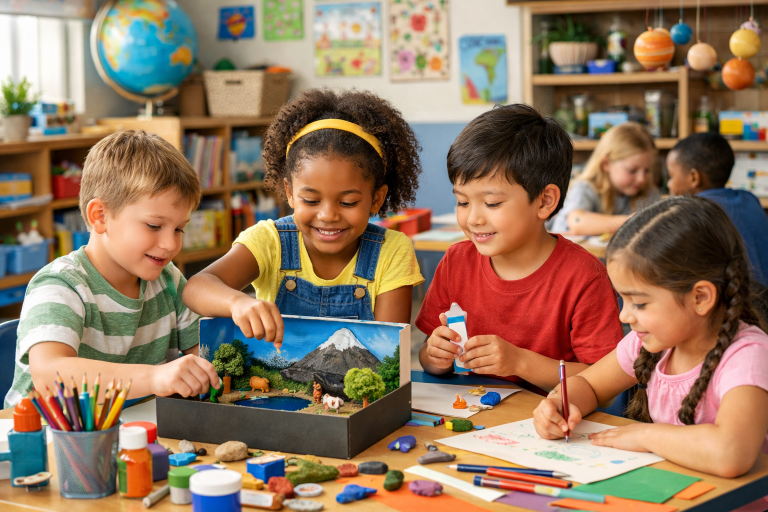
Incorporating hands-on projects into lesson plans allows students to engage with the material actively. Activities like building dioramas of animal habitats in science or constructing simple machines when exploring physics concepts can transform abstract ideas into meaningful experiences. When students use their hands and collaborate with classmates, learning becomes memorable and enjoyable, helping them retain key concepts over time.
Furthermore, hands-on projects provide wonderful opportunities for cross-curricular connections. For example, a science experiment that explores plant growth can seamlessly integrate math by having students chart their data and make predictions, and language arts by having them write daily observations. When students present findings to peers, they also build public speaking and listening skills. These collaborative projects foster a sense of achievement and strengthen the classroom community as each student contributes to the final outcome.
Story-Based Problem Solving
Second graders naturally connect with stories, making narrative-driven lessons deeply effective. Embedding math and science challenges within stories provides context and makes abstract ideas accessible. For example, a word problem framed around planning a birthday party or helping a story character solve a problem ensures concepts like addition, subtraction, or scientific reasoning feel real, interesting, and manageable for young learners. This approach increases motivation and inclusivity within the classroom.
Story-based problem-solving also helps foster empathy and collaboration. When students are tasked with helping characters make decisions, they learn to see situations from various perspectives and consider multiple solutions. Teachers can extend these activities by encouraging small-group discussions, guiding students to brainstorm together and justify their reasoning, which builds both social-emotional learning and critical thinking abilities.
Art and Music Integration
Combining core academic content with creative arts opens new pathways for understanding. Asking students to illustrate scenes from a class book or visually represent fractions through paint and collage promotes both critical thinking and artistic expression. Incorporating music, such as learning songs that teach about grammar, historical events, or science topics, makes lessons more memorable and enjoyable. These techniques help embed academic concepts in ways that satisfy a variety of learning styles, making learning engaging and accessible for every student.
Additionally, arts integration nurtures emotional awareness. When students express their thoughts creatively through drawing, painting, or music, they build self-confidence and resilience. Collaborative art projects can also foster a greater sense of classroom belonging, while performance-based activities like skits or musical presentations help students develop communication and teamwork skills that will benefit them beyond the classroom.
Incorporating Technology
Technology offers unparalleled opportunities for interactive and personalized learning experiences. Classroom tools like interactive whiteboards, tablets, and educational applications cater to visual, auditory, and kinesthetic learners alike. By using visual programming languages like Scratch, students can design their own digital games or stories. This not only nurtures creativity and logical thinking but also prepares students for future educational technologies. These digital experiences are invaluable, as highlighted in resources such as the Educational Technology Guide for elementary classrooms.
Another advantage of technology integration is the opportunity for individualized learning. Educational software can adapt in real-time to provide targeted support and additional practice where needed. Students who require more challenge can pursue enrichment activities independently, while those needing review receive immediate feedback and guidance. This flexibility empowers all learners to reach their full potential and develop important digital literacy skills.
Real-World Connections
Making learning relevant transforms the classroom experience. By relating lessons to everyday scenarios, students see direct value in their education. Setting up a classroom store for math practice, where students use play money for purchases, sharpens addition and subtraction skills in a fun context. Real-life connections can also be made through class projects that address community issues or involve family members, further bridging school and daily life for each child.
Community involvement, such as inviting local guest speakers or planning field trips, allows students to explore their environment and develop an understanding of how classroom skills apply in the world outside. When parents and guardians are engaged in these projects, sharing their careers or cultural traditions, learners get a broader sense of the diverse world around them and feel more invested in their education.
Creative Writing Prompts
Creative writing is a powerful vehicle for self-expression and language skill development. Regularly providing second graders with imaginative prompts like “Describe a journey to a magical land” or “Write about your favorite animal’s day” encourages students to explore vocabulary, narrative structure, and grammar in a motivating environment. These exercises support confidence and enthusiasm for writing, while also strengthening reading comprehension.
Teachers can further enrich writing activities by encouraging students to share their works with classmates or participate in classroom publishing projects, such as making a class book. Celebrating each child’s unique voice helps develop pride in their abilities and inspires a positive attitude towards writing. Carefully designed prompts can also be adjusted to cross into content areas, such as science or social studies, supporting content integration.
Learning Through Play
Playful learning encourages both academic and social growth in young children. Educational games like math board games, interactive card activities, or vocabulary-based memory matches foster teamwork, critical thinking, and perseverance. By embedding learning within play, students are motivated to practice concepts repeatedly, all while enjoying the process with their peers.
Structured play routines can also form the basis for classroom management strategies. Movement-based activities, brain breaks, and cooperative play stations can refocus energy and build social-emotional skills. When children play, they practice communication, self-regulation, and negotiation, all essential to healthy development. Purposeful play thus supports a well-rounded foundation for lifelong learning.
Conclusion
Effective second-grade lesson plans combine hands-on discovery, storytelling, arts and music, technology integration, real-world connections, creative writing, and play-based learning. With these strategies, educators can inspire innovation and cultivate a lifelong passion for learning in every child. These innovative approaches not only meet academic standards but also nurture imagination and confidence, empowering each student to flourish both inside and outside the classroom.
Ultimately, the role of a second-grade teacher is much more than delivering content; it’s about nurturing curiosity, fostering resilience, and creating an inclusive community that celebrates every learner’s strengths. Through strategic planning and a willingness to experiment with new approaches, teachers can truly motivate students and create a vibrant classroom culture. With abundant resources and support, today’s educators are equipped to make each day meaningful, memorable, and full of possibilities.