Urban Driving Safety: Essential Tips for Navigating City Streets
Key Takeaways
- Stay alert and anticipate the actions of other road users.
- Follow traffic laws and practice defensive driving.
- Remain calm and patient in heavy traffic.
- Plan ahead to reduce stress and improve safety.
- Drive courteously to help create safer streets for everyone.
Driving in busy city environments is a test of patience, skill, and awareness. The hustle and bustle of urban life brings a mix of narrow streets, unpredictable traffic patterns, and pedestrians at every corner. For anyone behind the wheel, especially in areas like New York, understanding these challenges and implementing proactive strategies is critical for safety. When accidents or legal concerns arise, Ward Law attorneys can help navigate the legal landscape and support city drivers through complex situations.
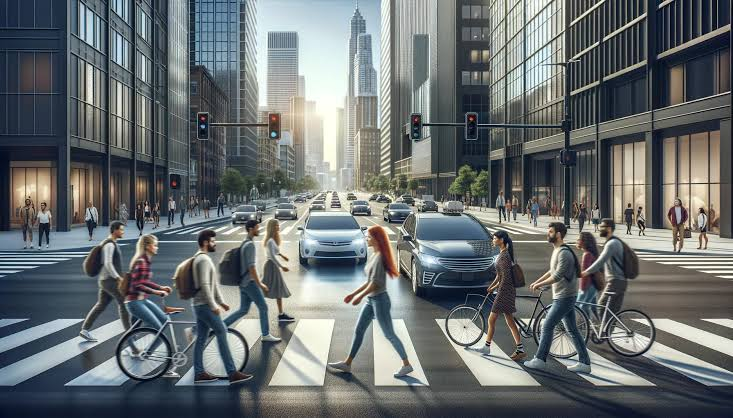
City roads do not just throw motor vehicles into the mix. Cyclists, delivery vans, and jaywalking pedestrians all contribute to the intricate dance of traffic. Whether you are a daily commuter or an occasional visitor, learning to assess and respond to these ever-changing variables is key to a safe driving experience in any metropolitan area.
Understanding Urban Traffic Dynamics
Urban roads are often congested, with frequent intersections and a steady stream of activity from vehicles, bikes, and pedestrians. This complexity requires more than just following traffic rules. It demands reading traffic flow, predicting others’ actions, and having the patience to navigate slow, stop-and-go conditions. According to the National Highway Traffic Safety Administration, urban traffic deaths often result from just a split-second lapse in attention, underscoring the importance of alertness in these environments.
Maintain a Safe Speed
Speed limits in urban areas are established to safeguard all road users, not only drivers. In New York City, the standard speed limit is 25 mph unless otherwise posted, allowing drivers sufficient reaction time to unexpected events. Reduced speeds significantly minimize collision severity and risk, especially for vulnerable users, enabling timely stops for sudden obstacles. Additionally, driving at lower speeds enhances awareness of local hazards, such as construction, school buses, and emergency vehicles. In densely trafficked neighborhoods, compliance with speed limits can be crucial in preventing accidents. Cities often use speed cameras and stricter enforcement in high-accident zones, underscoring the importance of obeying posted speed limits for safety and to avoid fines.
Stay Alert and Minimize Distractions
Distraction is a silent killer on city streets. The temptation to check a message, adjust your GPS, or even enjoy a conversation can lead you to miss a critical moment. Keeping full attention on the road helps drive down accident rates. Experts at the National Highway Traffic Safety Administration emphasize that even brief mental distractions can be fatal, especially in fast-moving urban environments.
It’s important to understand that distractions can come in many forms. Eating, searching for an item in the car, or even navigating while listening to loud music can divert your attention. Limiting the number of passengers or ensuring everyone is buckled in and calm is also a smart way to preserve your focus. If you ever feel your attention slipping, perhaps after a long day at work, don’t hesitate to pull over at a safe spot, regroup, and continue your journey when fully alert.
Be Prepared for Sudden Stops
Urban driving demands vigilance and a readiness to stop at a moment’s notice. Traffic signals change rapidly, delivery vehicles might double-park without warning, and pedestrians can appear from between parked cars. Maintaining a safe following distance allows for quick stops, minimizing the risk of rear-end collisions and keeping your driving record clean.
Anticipating sudden stops is particularly crucial in rush hour traffic and during special events, when patience may wear thin and tempers can flare. Stay extra alert in the vicinity of schools, playgrounds, or transit stations, where unexpected stops are more likely. Check your mirrors frequently and keep both hands on the wheel to ensure you’re ready for anything the city streets throw your way.
Watch for Pedestrians and Cyclists
Navigating city streets means sharing the road. Pedestrians often cross outside of designated areas, while cyclists may weave through traffic or ride in shared lanes. Always yield at crosswalks and keep an eye out for cyclists, especially near schools, parks, and shopping centers, where foot and bike traffic is higher. This attentiveness saves lives and helps build safer communities.
New urban initiatives, like protected bike lanes and pedestrian plazas, are designed to promote safety but can create new traffic patterns. Learn to read these spaces and adjust accordingly. Pedestrian and cyclist visibility can also be compromised in poor weather or low-light conditions, so make sure your vehicle’s lights are functioning and stay vigilant at dawn, dusk, and night.
Utilize Technology Responsibly
Technology like GPS and hands-free communication devices can make urban driving easier. Set up your devices before starting your trip, and use features like voice commands to avoid fumbling while on the road. These tools can help you avoid traffic jams and detours, but should never distract from attentive driving.
Advanced driver-assistance systems (ADAS), such as automatic braking or lane-keep assist, are being integrated into more vehicles and can serve as valuable aids on busy city roads. However, remember that technology is intended to supplement, not replace, a vigilant driver. Always remain in control and aware of your surroundings, using these features to enhance, rather than substitute for, defensive driving skills.
Plan Your Route in Advance
Getting familiar with your route minimizes dangerous last-minute decisions. Reviewing your turns, exits, and any known bottlenecks in advance will help you navigate confidently, reducing the need for abrupt lane changes or stops that catch other drivers off guard.
Apps that provide real-time updates on accidents, construction, or severe congestion can be invaluable. Reviewing your commute before you leave can also help you mentally prepare for alternate routes and avoid unnecessary stress. Take note of alternative parking spots in advance in case your preferred lot is full, and be flexible as needed by using public transit for part of your journey to avoid the worst of the city’s congestion.
Practice Defensive Driving
Anticipate what other drivers, cyclists, and pedestrians might do, not just what they should do. Defensive driving is about expecting the unexpected and staying prepared. This means watching for aggressive maneuvers, illegal turns, and other unpredictable behavior that can quickly escalate a situation. By keeping a safe distance and maintaining composure, you increase safety for yourself and others.
Defensive driving goes beyond caution; it also includes regularly checking your mirrors, signaling well in advance, and resisting the urge to retaliate against aggressive drivers. If someone is tailgating or behaving recklessly, move out of their way and report dangerous driving to local authorities if necessary. Your objective should always be to keep yourself, your passengers, and other road users out of harm’s way, even if that requires a little extra courtesy and patience.
Conclusion
Safe city driving involves vigilance, preparation, and respect for the rules of the road. By mastering these essential urban driving tips, you will significantly reduce your risk of accidents and help make the city safer for everyone. Always remember, caution and courtesy are your best assets behind the wheel in any urban landscape.
In summary, while the city presents unique and often stressful challenges for drivers, maintaining composure along with a few proactive habits pays off in terms of safety and peace of mind. Every time you drive, you’re not just responsible for your journey, but also play a role in the wellbeing of those around you. With careful planning, ongoing education, and a commitment to responsible driving, you help make urban streets better for drivers, cyclists, and pedestrians alike.