The Ultimate Guide to Heavy Equipment Service in Fort Worth
Core Pillars of Heavy Machinery Maintenance
In the vibrant industrial hub of Fort Worth, heavy equipment is the backbone of many operations. From construction sites to agricultural fields, these powerful machines drive productivity. However, their efficiency and longevity depend entirely on meticulous maintenance.
We understand that equipment downtime can be costly. Regular, expert service is not just about repairs; it’s about safeguarding your investment. It ensures continuous operation and peak performance. That’s why navigating heavy equipment service in Fort Worth is crucial for any business owner or fleet manager.
This guide aims to be your go-to resource. We will explore the core pillars of heavy machinery upkeep. This includes essential preventative maintenance protocols and in-depth diagnostic and reconditioning procedures. We will also delve into coordinating transport for shop repairs, highlighting how to prepare your machinery and work with trusted Fort Worth heavy equipment movers.
Join us as we uncover the best practices for keeping your heavy equipment running optimally in Fort Worth. This will ensure maximum uptime and sustained performance well into October 2026 and beyond.
Maintaining heavy equipment is a complex endeavor, requiring specialized knowledge and tools. It’s not merely about fixing what’s broken, but rather a holistic approach that encompasses several critical areas. These core pillars ensure that every component of a machine operates in harmony, delivering the power and precision expected in demanding environments. Understanding these areas is the first step toward a robust maintenance strategy that maximizes uptime and extends the lifespan of your valuable assets.
One of the primary pillars involves hydraulic overhauls. Hydraulic systems are the muscle of most heavy machinery, responsible for lifting, pushing, and digging. They are intricate networks of pumps, valves, cylinders, and hoses, all working under immense pressure. Over time, seals can degrade, fluid can become contaminated, and components can wear, leading to reduced performance or complete failure. A comprehensive overhaul involves disassembling these systems, inspecting every part—from pistons to O-rings—and replacing worn components to restore original operating specifications. This meticulous process ensures that the machine’s power delivery remains consistent and reliable, preventing costly breakdowns in the field.
Equally vital is engine diagnostics. The engine is the heart of any heavy equipment, and its optimal function is non-negotiable. Modern heavy equipment engines are sophisticated, electronically controlled powerhouses. Diagnosing issues requires more than just a wrench; it demands advanced computerized diagnostic tools. These tools interface with the engine’s onboard computer systems to read fault codes, monitor sensor data, and analyze performance parameters in real-time. Technicians use this data to pinpoint the exact cause of a problem, whether it’s a fuel injection issue, a sensor malfunction, or an internal engine problem. Accurate diagnostics save time and money by avoiding guesswork and ensuring that repairs are targeted and effective.
Electrical schematics are another foundational element. Heavy equipment today relies heavily on complex electrical systems for everything from starting the engine to controlling sophisticated attachments. Wiring harnesses, relays, sensors, and electronic control units (ECUs) form an intricate web that can be challenging to troubleshoot without proper documentation. Technicians must be adept at reading and interpreting detailed electrical schematics to trace circuits, identify shorts, open circuits, or component failures. A deep understanding of these schematics is critical for diagnosing electrical malfunctions, repairing wiring, and ensuring all electronic components communicate correctly, preventing operational glitches and safety hazards.
Furthermore, transmission repair plays a crucial role in maintaining mobility and power transfer. Transmissions, whether manual, automatic, or hydrostatic, are subjected to immense stress and heat. Regular inspection and timely repair of these vital components are essential. Issues can range from worn clutches and gears to problems with hydraulic control systems within the transmission itself. A comprehensive repair involves disassembling the transmission, replacing worn parts, and reassembling it to precise manufacturer specifications. This ensures smooth power delivery to the drive wheels or tracks, preventing loss of efficiency and mobility.
Finally, component lubrication is the unsung hero of heavy equipment maintenance. Proper lubrication reduces friction, dissipates heat, and prevents corrosion, significantly extending the life of moving parts. This isn’t just about greasing a few points; it involves understanding the specific lubrication requirements for different components, from bearings and pivot points to gears and chains. Using the correct type and amount of lubricant, applied at the recommended intervals, is paramount. Neglecting lubrication can lead to premature wear, increased fuel consumption, and catastrophic component failure. It’s a simple yet profoundly impactful aspect of routine maintenance that often prevents major repairs.
These core pillars—hydraulic overhauls, engine diagnostics, electrical schematics, transmission repair, and component lubrication—form the bedrock of effective heavy equipment maintenance. Each area demands specialized expertise, precise tools, and a systematic approach to ensure that your machinery remains a reliable asset in Fort Worth’s demanding industrial landscape.
Preventative Maintenance Protocols
Preventative maintenance (PM) is the proactive strategy of performing routine inspections and services to prevent equipment failure and extend its operational life. In the realm of heavy equipment, PM is not just recommended; it’s indispensable. Adhering to a rigorous PM schedule can significantly reduce unexpected downtime, lower repair costs, and enhance safety.
A cornerstone of any robust PM program is fluid sampling. This involves regularly taking samples of engine oil, hydraulic fluid, transmission fluid, and coolant for laboratory analysis. The lab reports provide a microscopic view of the internal condition of your equipment. They can detect wear metals, contaminants (like dirt, water, or fuel), and changes in fluid properties. For example, high levels of iron in engine oil might indicate excessive wear on cylinder liners, while silicon could point to air filter issues. This early detection allows for corrective action before a minor issue escalates into a major, costly breakdown.
Filter replacement is another critical, yet often underestimated, PM task. Filters—for air, fuel, oil, and hydraulics—are the first line of defense against contaminants. Over time, they become clogged, reducing their effectiveness and potentially starving systems of clean air or fluid. Regularly replacing filters according to manufacturer specifications ensures that vital components are protected from abrasive particles and that engines receive adequate airflow and clean fuel for optimal combustion. Neglecting filter replacement can lead to reduced efficiency, increased wear, and even engine or hydraulic system failure.
Wear inspection involves a thorough visual and tactile examination of all accessible components for signs of wear, damage, or impending failure. This includes checking tracks, tires, undercarriages, pins, bushings, hoses, belts, and structural welds. Technicians look for cracks, excessive play, leaks, fraying, or any unusual conditions. Early identification of worn parts allows for scheduled replacement, preventing a component from failing catastrophically in the middle of a job, which could cause further damage or safety risks.
Consulting OEM manuals is fundamental to effective preventative maintenance. Original Equipment Manufacturer (OEM) manuals contain detailed specifications, recommended service intervals, and specific procedures for each machine. They are an invaluable resource, providing precise guidelines on everything from torque settings to fluid types and capacities. Adhering to these manufacturer-recommended practices ensures that maintenance is performed correctly, preserving warranty coverage and optimizing machine performance. Ignoring OEM guidelines can lead to improper maintenance, accelerated wear, and voided warranties.
Finally, routine lubrication is essential for minimizing friction and wear between moving parts. This involves applying the correct type and amount of grease or oil to designated lubrication points at specified intervals. Proper lubrication prevents metal-on-metal contact, reduces heat buildup, and protects against corrosion. It’s a simple task that has a profound impact on the longevity and efficiency of components like bearings, pins, and bushings. A well-lubricated machine runs smoother, uses less fuel, and is less prone to unexpected mechanical failures.
By diligently implementing these preventative maintenance protocols—fluid sampling, filter replacement, wear inspection, adherence to OEM manuals, and routine lubrication—heavy equipment owners in Fort Worth can significantly enhance the reliability, safety, and operational lifespan of their machinery, ensuring consistent productivity for years to come.
In-Shop Overhauls vs. Mobile Field Diagnostics
When heavy equipment requires attention, a critical decision often arises: should the service be performed in a dedicated shop, or can it be handled by a mobile field diagnostic team? Both options offer distinct advantages and are suited for different scenarios. Understanding these differences is key to making an informed choice that minimizes downtime and optimizes repair costs.
Mobile troubleshooting services bring the diagnostic capabilities directly to your job site. This is invaluable for minor repairs, routine maintenance, or initial problem identification when moving the machine is impractical or impossible. Mobile units are equipped with tools for basic diagnostics, fluid changes, filter replacements, and minor component adjustments. They excel in emergency response, quickly getting a downed machine back into operation with minimal disruption to ongoing projects. The primary advantage here is convenience and speed for issues that don’t require extensive shop facilities.
Conversely, dedicated shop overhauls provide a controlled environment with access to specialized tools, heavy lifting equipment, and a full inventory of parts. Shops are designed for complex, time-consuming repairs and complete rebuilds. When a machine requires a depot rebuild of major components like engines, transmissions, or hydraulic systems, the shop is the only viable option. These facilities allow for thorough disassembly, cleaning, inspection, machining, and reassembly to factory specifications. Furthermore, shop testing after a major repair ensures that all systems are functioning correctly under simulated load conditions before the equipment returns to service.
Here’s a comparison to help illustrate the differences:
Feature Mobile Field Diagnostics Dedicated Shop Overhauls Location of Service On-site (job site, remote location) Specialized repair facility Scope of Work Minor repairs, routine PM, initial diagnostics, emergency fixes Major repairs, component rebuilds, complete overhauls, complex diagnostics Equipment & Tools Portable diagnostic tools, basic hand tools, service truck Advanced diagnostic equipment, heavy lifting gear, specialized machinery, full parts inventory Downtime Impact Minimal on-site downtime, quick turnaround for minor issues Longer downtime for transport and extensive repairs, but thorough restoration Cost Factors Service call fees, hourly rates, travel time Hourly rates, parts, potential transport costs Ideal Scenarios Urgent breakdowns, routine service, remote locations, initial fault finding Catastrophic failures, major component wear, complete system restoration, warranty work Testing Capability Limited functional testing Comprehensive load testing, dyno testing, hydraulic pressure testing The choice between these two approaches often boils down to the nature and severity of the problem. For a quick fix or a scheduled service that can be done with portable tools, mobile diagnostics are highly efficient. However, for deep-seated issues, extensive wear, or a complete system failure, the comprehensive capabilities and controlled environment of a dedicated repair shop are indispensable. Many heavy equipment service providers in Fort Worth offer both options, allowing fleet managers to select the most appropriate and cost-effective solution for their specific maintenance needs.
Coordinating with Fort Worth Heavy Equipment Movers for Shop Repairs
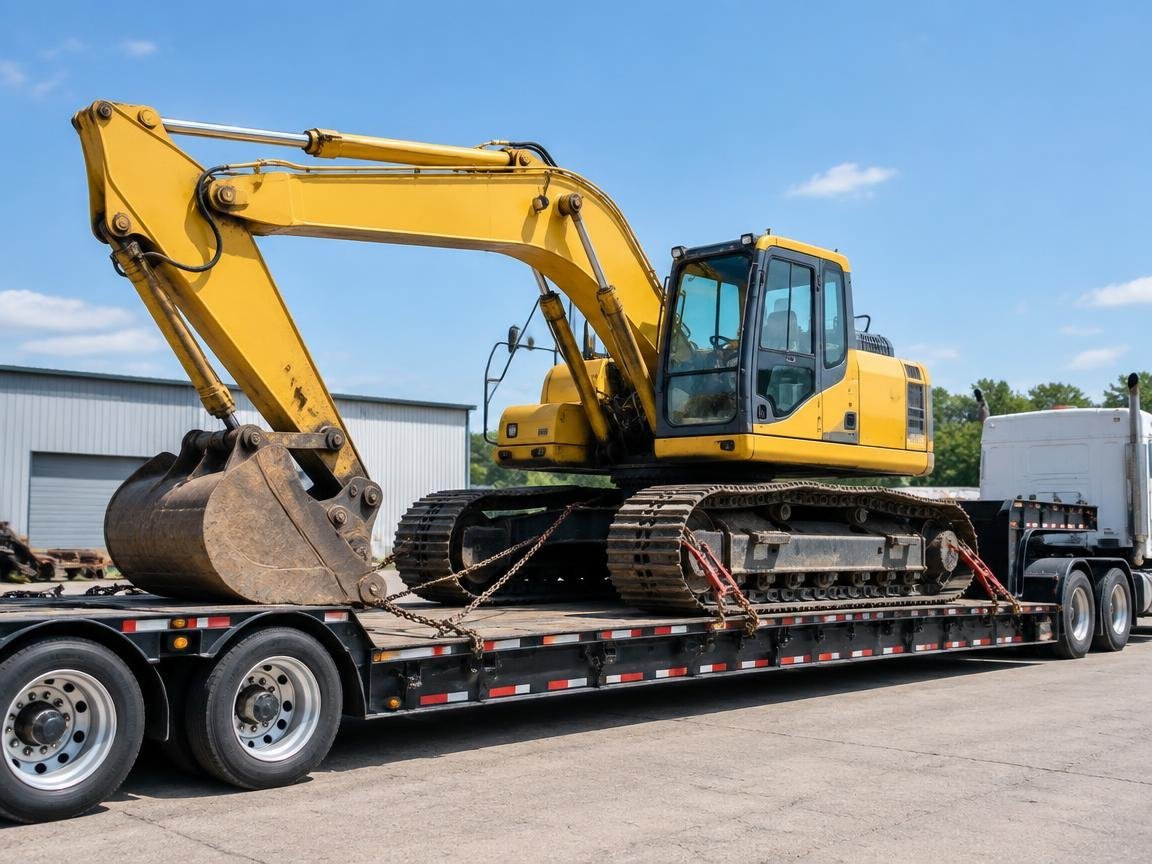
When a piece of heavy equipment requires an in-depth repair or a complete overhaul that cannot be performed on-site, the next crucial step is coordinating its transport to a specialized repair facility. This process involves more than just calling a truck; it demands careful planning, adherence to safety protocols, and often, specialized expertise in transport logistics. For businesses operating in the Fort Worth area, partnering with experienced Fort Worth heavy equipment movers is essential to ensure that your valuable machinery reaches its destination safely and efficiently.
The logistical challenges of moving heavy equipment are considerable. Factors such as the sheer size and weight of the machinery, the necessity of specialized trailers like flatbeds or lowboys, and the need for permits for oversize loads all contribute to the complexity. Effective transport logistics involve route planning to avoid obstacles, scheduling to minimize disruption, and ensuring all legal requirements for moving heavy equipment on public roads are met.
Working with professional heavy equipment movers in Fort Worth streamlines this entire process. These specialists possess the knowledge and equipment necessary for safe and compliant transport. They understand the nuances of securing various types of machinery, from excavators and bulldozers to cranes and large agricultural implements. Their expertise extends to navigating local regulations, obtaining necessary permits, and ensuring that the entire journey, from your job site to the repair shop, is executed flawlessly. This partnership allows you to focus on your core operations while the movers handle the intricate details of relocating your heavy assets for essential maintenance.
A key consideration in this process is ensuring proper site access for the transport vehicle. The pickup location must be clear, level, and stable enough to accommodate a large truck and trailer, as well as provide ample space for loading operations. Similarly, the repair facility must have adequate space and infrastructure for unloading. Neglecting these practical aspects can lead to delays, increased costs, and potential safety hazards. By communicating clearly with your chosen movers about both the pickup and delivery sites, you can prevent many common logistical headaches.
The goal is relocation safety. Heavy equipment transport carries inherent risks, from potential damage to the machinery itself to hazards for other road users. Professional heavy equipment movers prioritize safety through rigorous training, well-maintained equipment, and strict adherence to industry best practices. They ensure that the machinery is properly secured, weight is distributed correctly, and all necessary precautions are taken to protect the equipment and everyone involved in the transport process. For comprehensive guidance on safely moving your industrial assets, exploring resources provided by local experts can be incredibly beneficial. For instance, Fort Worth heavy equipment movers often share valuable insights on preparing and transporting machinery, ensuring a smooth transition for your equipment.
By carefully coordinating with experienced heavy equipment movers, you can ensure that your machinery arrives at the repair shop in Fort Worth ready for service, minimizing the stress and logistical burden on your team.
Preparing Industrial Machinery for Fort Worth Heavy Equipment Movers
Proper preparation of industrial machinery before transport is a critical step that ensures both safety and efficiency during its journey to a repair facility. Neglecting these preparatory measures can lead to delays, damage, and increased costs. When working with Fort Worth heavy equipment movers, a thorough checklist can make all the difference.
One of the first and most important steps is fluid drainage. Depending on the type of equipment and the duration of transport, it may be necessary to drain certain fluids, such as fuel, hydraulic fluid, or coolant, to safe levels. This reduces the risk of leaks during transit, which can be environmentally hazardous and lead to fines. It also minimizes potential fire risks, especially for long-distance hauls. Always consult the equipment’s OEM manual for specific recommendations on fluid levels for transport.
Next, focus on boom securement and securing any other movable parts. For excavators, cranes, and other machinery with hydraulic arms or attachments, booms must be fully retracted and then securely fastened to prevent any movement during transport. Buckets, blades, and other implements should be lowered to their lowest position, or removed and transported separately if they exceed height or width restrictions. All loose components, such as chains, tools, or accessories, must be removed from the machine or securely stowed to prevent them from falling off or causing damage.
Weight distribution is another crucial factor. Heavy equipment movers will need to know the exact weight and dimensions of your machinery to select the appropriate trailer and plan the loading process. Providing accurate information helps them ensure the load is balanced correctly on the trailer, which is essential for safe towing and preventing excessive stress on the trailer axles or the towing vehicle. Incorrect weight distribution can lead to instability on the road, increasing the risk of accidents.
Route planning is typically handled by the heavy equipment movers, but providing them with precise origin and destination addresses, along with any known site-specific access challenges, is vital. They will use this information to map out a route that avoids low bridges, narrow roads, or other obstructions. For oversized loads, this often involves extensive pre-planning and coordination with local authorities.
Finally, permit compliance is paramount, especially for oversized or overweight loads. Depending on the dimensions and weight of your equipment, special permits may be required from state and local transportation departments. These permits dictate specific routes, travel times, and sometimes even require pilot cars. Experienced Fort Worth heavy equipment movers are well-versed in these regulations and will handle the permit acquisition process, but it’s important for equipment owners to be aware of these requirements and provide all necessary information to facilitate the process.
By diligently addressing fluid drainage, boom securement, providing accurate weight and dimension data, assisting with site-specific route information, and ensuring permit compliance, you can significantly contribute to a smooth, safe, and efficient transport of your industrial machinery to the repair shop.
Rigging and Transport Safety with Fort Worth Heavy Equipment Movers
Ensuring the safe transport of heavy equipment from a job site to a repair facility in Fort Worth is a multifaceted operation that demands meticulous attention to detail, particularly in the areas of rigging and overall transport safety. When entrusting your machinery to Fort Worth heavy equipment movers, understanding the safety protocols involved can provide peace of mind and help facilitate a successful relocation.
The process begins with proper rigging hardware. This includes selecting the correct type and capacity of chains, straps, binders, and shackles. Each piece of hardware must be rated to handle the weight and forces involved in securing the heavy equipment. Professional movers will inspect all rigging hardware before use to ensure it is free from damage, wear, or defects that could compromise its integrity during transit. Using substandard or damaged rigging equipment is a significant safety hazard that can lead to catastrophic failure.
Once the equipment is loaded onto the transport trailer, tie-down tension becomes critical. The machinery must be secured firmly to the trailer deck to prevent any movement—forward, backward, or sideways—during acceleration, braking, or turns. This involves strategically placing tie-downs at multiple points, ensuring even tension across all securement devices. Over-tightening can damage equipment or the trailer, while insufficient tension can lead to dangerous shifting. Experienced operators use specialized tools to achieve the optimal tension, verifying that the equipment is immovable.
Navigating oversize transit is another major aspect of transport safety. Many pieces of heavy equipment exceed standard legal limits for width, height, or weight. This necessitates special permits, specific routes, and often, the use of pilot cars or escort vehicles to warn other motorists and guide the oversized load. The movers will be responsible for ensuring all signage, lighting, and flags required for oversized loads are in place and visible, adhering to all state and federal regulations for safe passage.
Adherence to stringent safety standards is non-negotiable throughout the entire transport process. This includes pre-trip inspections of the truck and trailer, ensuring all brakes, lights, and tires are in excellent working condition. Drivers must be highly trained and experienced in hauling heavy and oversized loads, possessing the necessary licenses and endorsements. They must also be aware of weather conditions, road hazards, and potential traffic disruptions that could impact safety. Communication between the driver, escort vehicles, and any personnel at the pickup or delivery sites is crucial for maintaining a safe environment.
Finally, ensuring adequate job site clearance at both the loading and unloading points is vital. This means confirming that there is sufficient overhead clearance for booms and other raised components, as well as ample lateral space for the truck and trailer to maneuver safely. Any obstacles, such as power lines, low-hanging tree branches, or other equipment, must be identified and addressed before the transport vehicle arrives. Clear access paths and designated loading/unloading zones help prevent accidents and ensure the efficient movement of equipment onto and off the trailer.
By focusing on robust rigging hardware, proper tie-down tension, meticulous planning for oversize transit, strict adherence to safety standards, and ensuring clear job site clearance, Fort Worth heavy equipment movers can execute the relocation of your valuable machinery with the highest degree of safety and professionalism, delivering it securely to the repair facility.
Essential Diagnostic and Component Reconditioning Procedures
Beyond routine maintenance and transport logistics, the heart of heavy equipment service lies in its diagnostic and component reconditioning procedures. These advanced processes are what truly restore a machine’s performance and extend its operational life. They demand specialized expertise, precision tools, and a deep understanding of complex mechanical and electrical systems.
A fundamental tool in this arena is the ability to interpret OEM schematics. Original Equipment Manufacturer (OEM) schematics are detailed technical drawings that illustrate the internal workings of a machine, including hydraulic circuits, electrical wiring, and mechanical assemblies. Technicians rely on these schematics to accurately trace fluid lines, identify electrical pathways, and understand the relationship between different components. Without the ability to read and understand these intricate diagrams, effective troubleshooting and repair of complex systems would be virtually impossible.
Modern heavy equipment repair heavily utilizes sophisticated diagnostic tools. These range from computerized diagnostic software that interfaces directly with a machine’s Electronic Control Units (ECUs) to specialized pressure gauges, multimeters, and infrared cameras. These tools allow technicians to quickly and accurately pinpoint the root cause of a problem, whether it’s a failing sensor, a pressure drop in a hydraulic line, or an electrical short. This precision diagnostics saves considerable time and prevents unnecessary component replacement, leading to more efficient and cost-effective repairs.
Component testing is a critical step after diagnosis and before reassembly. Once a component, such as a hydraulic pump, an engine injector, or an electrical module, has been repaired or rebuilt, it must be thoroughly tested to ensure it meets OEM specifications. This often involves specialized test benches that can simulate operational conditions, measuring output, pressure, flow, and other critical parameters. Only components that pass these rigorous tests are deemed fit for reinstallation, guaranteeing reliability and performance.
Finally, strict adherence to reassembly standards is paramount. After components have been reconditioned and tested, they must be reinstalled precisely according to manufacturer guidelines. This includes using the correct torque specifications for fasteners, applying appropriate sealants, and ensuring all connections are secure. Improper reassembly can lead to leaks, premature wear, or even catastrophic failure. Professional heavy equipment service providers follow stringent quality control measures to ensure every reassembly meets or exceeds OEM standards, guaranteeing the integrity and longevity of the repair.
These essential diagnostic and component reconditioning procedures—relying on OEM schematics, advanced diagnostic tools, thorough component testing, and strict reassembly standards—are the pillars upon which high-quality heavy equipment repair is built. They ensure that machinery not only gets fixed but is restored to optimal performance, ready to tackle the demanding tasks of Fort Worth’s industrial sectors.
Hydraulic System Overhaul and Reconditioning
Hydraulic systems are the workhorses of heavy equipment, providing the immense power needed for digging, lifting, and moving. Their robust nature, however, doesn’t make them immune to wear and tear. Over time, constant pressure, heat, and contamination can degrade components, necessitating a comprehensive hydraulic system overhaul and reconditioning. This intricate process ensures that the machine’s hydraulic power remains consistent and reliable.
The overhaul typically begins with the disassembly of hydraulic cylinders, pumps, and valves. A key step is piston inspection. Pistons within hydraulic cylinders are crucial for generating force. Technicians meticulously inspect them for scoring, pitting, or wear that could compromise their sealing ability or structural integrity. Any signs of damage necessitate replacement to prevent future leaks or performance degradation.
Following piston inspection, valve replacement is often required. Hydraulic valves control the flow and direction of fluid, making them central to a system’s operation. Worn or damaged valves can lead to sluggish performance, uncontrolled movements, or complete system failure. During an overhaul, all critical valves are inspected, and any showing signs of wear, such as scoring or spring fatigue, are replaced with new, OEM-specified components to restore precise control.
Cylinder reboring is a process applied when the internal surface of a hydraulic cylinder barrel shows significant wear or damage. Instead of replacing the entire cylinder, which can be costly, the barrel is precisely machined to a slightly larger diameter, and a new, oversized piston and seals are fitted. This reconditioning process restores the cylinder’s internal surface to a smooth, uniform finish, ensuring optimal sealing and extending its operational life.
Crucially, seal replacement is performed across the entire hydraulic system. Seals, such as O-rings, rod seals, and piston seals, are the first line of defense against leaks and internal bypass. Over time, they harden, crack, or wear down due to friction and exposure to high pressures and temperatures. During an overhaul, all seals are replaced with new, high-quality components to ensure a leak-free and efficient hydraulic system. This prevents fluid loss and maintains system pressure, which is vital for performance.
Finally, after reassembly, the hydraulic system undergoes rigorous pressure testing. This involves connecting the reconditioned components to a test bench and subjecting them to pressures that mimic or exceed operational conditions. Technicians monitor for leaks, check for proper valve function, and ensure that the system holds pressure as expected. This crucial step verifies the integrity of the overhaul, confirming that the hydraulic system is ready to perform reliably and safely once reinstalled in the heavy equipment.
A thorough hydraulic system overhaul and reconditioning, encompassing piston inspection, valve replacement, cylinder reboring, seal replacement, and comprehensive pressure testing, is an investment that pays dividends in extended equipment life, reduced downtime, and consistent operational performance for heavy machinery in Fort Worth.
Electrical Troubleshooting and Control Modules
Modern heavy equipment relies heavily on sophisticated electrical systems and electronic control modules (ECUs) to manage everything from engine performance to hydraulic functions and operator interfaces. When these systems malfunction, diagnosing and repairing them requires specialized knowledge in electrical troubleshooting and control modules. This area of maintenance is highly technical, blending traditional electrical repair with advanced computer diagnostics.
A critical aspect of electrical maintenance is sensor calibration. Sensors throughout the machine monitor various parameters like temperature, pressure, speed, and position. If a sensor provides inaccurate readings, the ECU will make incorrect adjustments, leading to performance issues or false fault codes. Technicians use diagnostic tools to verify sensor accuracy and recalibrate them to ensure they provide precise data to the control modules.
Harness inspection is fundamental to identifying electrical problems. The wiring harness is a complex network of cables that transmit power and signals throughout the machine. Over time, harnesses can suffer from wear, fraying, corrosion, or damage from vibration and heat. Technicians meticulously inspect harnesses for breaks, shorts, or damaged connectors. Repairing or replacing faulty sections of the harness is crucial for restoring reliable electrical communication.
Computerized scanning is the frontline diagnostic method for electrical issues. Technicians connect specialized diagnostic software to the machine’s ECUs. This software allows them to read active and stored fault codes, monitor live data streams from sensors, and perform diagnostic tests on various electrical components. This advanced scanning capability helps pinpoint the exact location and nature of an electrical malfunction, significantly reducing troubleshooting time.
ECU diagnostics delve deeper into the brain of the machine. The ECUs are essentially small computers that control and monitor various machine functions. Problems can arise within the ECU itself, such as software glitches or hardware failures. Advanced diagnostic tools can communicate directly with the ECU to update software, reset parameters, or even reprogram the module. In cases of severe ECU failure, replacement and reprogramming are necessary to restore full functionality.
Finally, voltage checks are a basic yet essential part of electrical troubleshooting. Using multimeters, technicians measure voltage, current, and resistance at various points in the electrical system. This helps confirm power supply to components, identify open circuits, or detect excessive resistance that could indicate a wiring problem. Correct voltage levels are crucial for the proper operation of all electrical components, from lights and gauges to sophisticated control modules.
By mastering sensor calibration, thorough harness inspection, precise computerized scanning, in-depth ECU diagnostics, and fundamental voltage checks, heavy equipment technicians can effectively troubleshoot and resolve complex electrical issues, ensuring that the sophisticated electronic systems of modern machinery operate flawlessly in Fort Worth’s demanding environments.
Frequently Asked Questions About Heavy Equipment Service
Understanding the nuances of heavy equipment service can be complex. Here, we address some of the most common questions that arise for equipment owners and operators in Fort Worth.
What are the main tasks included in a heavy equipment service inspection?
A comprehensive heavy equipment service inspection goes far beyond a simple visual check. It’s a detailed examination designed to identify potential issues before they lead to costly breakdowns. Key tasks typically include:
- Diagnostic Scanning: Connecting specialized software to the machine’s onboard computer systems (ECUs) to read fault codes, monitor live data, and assess the health of electronic components and sensors. This helps identify hidden electrical or engine performance issues.
- Fluid Analysis: Taking samples of engine oil, hydraulic fluid, transmission fluid, and coolant for laboratory analysis. This reveals the presence of wear metals, contaminants, and fluid degradation, providing insights into the internal condition of components.
- Component Lubrication: Systematically greasing all designated lubrication points according to manufacturer specifications to reduce friction, prevent wear, and extend the life of pins, bushings, and bearings.
- Structural Inspection: A thorough visual examination of the machine’s frame, boom, stick, chassis, and other structural components for cracks, bends, welds, or signs of fatigue. This ensures the machine’s integrity and safety.
- Brake Testing: Checking the functionality and effectiveness of both service and parking brakes. This includes inspecting brake pads/shoes, hydraulic lines, and air systems to ensure reliable stopping power, a critical safety feature.
- Filter and Fluid Level Checks: Verifying all fluid levels (oil, coolant, hydraulic, fuel) and inspecting air, fuel, oil, and hydraulic filters for cleanliness and recommending replacement as per OEM schedules.
- Hose and Belt Inspection: Examining all hydraulic hoses, cooling system hoses, and engine belts for cracks, leaks, fraying, or proper tension.
- Undercarriage/Tire Inspection: For tracked machines, inspecting the undercarriage components (rollers, idlers, sprockets, tracks) for wear. For wheeled machines, checking tire pressure, tread depth, and overall condition.
These tasks, when performed diligently, provide a holistic view of the equipment’s condition, enabling proactive maintenance and preventing unexpected failures.
When should heavy machinery be moved to a specialized repair facility?
While mobile field diagnostics can handle many on-site issues, there are specific scenarios where moving heavy machinery to a specialized repair facility is not only advisable but often necessary. These situations typically involve repairs that require extensive resources, controlled environments, or highly specialized tools. You should consider moving your equipment for:
- Major Overhauls: When an engine, transmission, or hydraulic system requires a complete teardown, inspection, and rebuild, the controlled environment of a shop is essential. This allows for precise machining, contamination control, and access to heavy lifting equipment.
- Transmission Rebuilds: The intricate nature of transmissions demands a clean, specialized setting for disassembly, component replacement, and reassembly to precise specifications.
- Structural Welding: Significant structural damage, such as cracks in the frame or boom, often requires specialized welding techniques and equipment that are best performed in a dedicated facility. This ensures the integrity and strength of the repair.
- Specialized Diagnostics: Some complex electrical or hydraulic issues may require advanced diagnostic equipment or test benches that are only available in a shop setting. This allows for more in-depth testing and calibration.
- Total Teardowns: For complete machine restorations or when multiple major systems require simultaneous attention, a full teardown in a shop allows for efficient workflow, organized component management, and thorough reassembly.
- Lack of On-Site Resources: If your job site lacks the necessary space, power, or safety infrastructure to perform a particular repair safely and effectively, moving the equipment to a shop becomes the prudent choice.
If a repair is extensive, requires specialized tools or a controlled environment, or involves major component removal and reinstallation, a specialized repair facility offers the best solution for quality, safety, and efficiency.
How often should North Texas contractors schedule preventative maintenance?
The frequency of preventative maintenance (PM) for heavy machinery in North Texas depends on several factors, and it’s rarely a one-size-fits-all answer. While manufacturer recommendations provide a baseline, local operating conditions and specific usage patterns often necessitate adjustments.
- Operating Hours (or Kilometers/Miles): This is the primary driver for PM schedules. Manufacturers provide service intervals based on engine hours (e.g., every 250, 500, 1000 hours). Adhering strictly to these manufacturer intervals is crucial for maintaining warranty validity and ensuring optimal performance. Modern machines often have hour meters that make tracking easy.
- Application and Severity of Use: Equipment used in demanding applications, such as heavy excavation, mining, or continuous operation in extreme conditions, will require more frequent PM than machinery used for lighter duties or intermittently. High-stress environments accelerate wear and fluid degradation.
- Dust Mitigation: North Texas can experience dusty conditions, especially during dry seasons. Dust is a major contaminant for engines and hydraulic systems. Equipment operating in dusty environments will need more frequent air and fuel filter replacements, as well as more regular cleaning of radiators and cooling fins.
- Thermal Stress: The intense summer heat in North Texas puts significant thermal stress on engines, transmissions, and hydraulic systems. This can accelerate the breakdown of lubricants and coolants. More frequent fluid analysis and cooling system checks may be necessary during hotter months to prevent overheating and component damage.
- Fluid Degradation: While fluid sampling helps monitor this, the rate of fluid degradation can be influenced by operating temperatures and load. In high-stress applications, fluids may degrade faster than anticipated, warranting more frequent changes than standard intervals.
- Environmental Factors: Exposure to corrosive materials, saltwater (if applicable), or harsh chemicals can also influence PM frequency, particularly for chassis and structural components.
As a general guideline, most contractors in North Texas should aim for PM checks at least every 250-500 operating hours, with more comprehensive services every 1000-2000 hours, or annually, whichever comes first. However, the most effective strategy involves a dynamic approach: combining manufacturer recommendations with insights from fluid analysis, daily operator checks, and a keen awareness of the specific operating conditions and demands placed on each piece of equipment. This proactive and adaptive approach ensures maximum uptime and longevity for your heavy equipment fleet.
Conclusion
In the demanding industrial landscape of Fort Worth, the efficiency and longevity of heavy equipment are directly tied to a robust and proactive maintenance strategy. We’ve explored the core pillars of heavy machinery upkeep, from hydraulic overhauls and engine diagnostics to the critical role of electrical schematics and routine lubrication. Understanding these fundamental areas is not just about fixing problems; it’s about safeguarding your investment and ensuring continuous, peak performance.
Implementing diligent preventative maintenance protocols—including fluid sampling, regular filter replacement, meticulous wear inspection, and strict adherence to OEM manuals—is paramount. These proactive measures are the first line of defense against unexpected breakdowns, significantly reducing long-term repair costs and extending the operational life of your valuable assets.
We also delved into the strategic decision-making between mobile field diagnostics for quick fixes and dedicated in-shop overhauls for comprehensive repairs. Recognizing when to leverage each service ensures that your equipment receives the most appropriate and efficient attention. Furthermore, the complexities of transporting heavy machinery for shop repairs underscore the importance of careful planning, from preparing your equipment to coordinating with experienced Fort Worth heavy equipment movers, ensuring safe and compliant relocation.
The intricate processes of essential diagnostic and component reconditioning, such as hydraulic system overhauls and electrical troubleshooting, highlight the specialized expertise required to restore machinery to its optimal condition. These detailed procedures, guided by OEM schematics and advanced diagnostic tools, are critical for achieving high-quality, lasting repairs.
Also read: Top 6 Trailer Dealers Near Orlando for Sales, Repairs, Parts, and Service
A well-executed heavy equipment maintenance plan contributes directly to asset longevity and maximized operational uptime. By prioritizing regular service, making informed decisions about repair locations, and understanding the technical nuances of maintenance, businesses in Fort Worth can ensure their heavy machinery remains a reliable, productive force well into October 2026 and beyond. Strategic service planning is not an expense but an investment that yields significant returns in efficiency, safety, and sustained performance.


