How SD-WAN is Transforming Enterprise Networks
In today’s fast-paced digital landscape, enterprises are under increasing pressure to ensure their networks are secure, efficient, and scalable. One technology making a significant impact in this area is Software-Defined Wide Area Networking (SD-WAN). By centralizing management and enabling more agile traffic routing, SD-WAN addresses many of the networking challenges organizations face. Enterprises seeking to enhance their infrastructure are increasingly turning to solutions such as Secure SD-WAN to keep pace with rapid technological advancements.
Enterprises are no longer satisfied with static, hardware-heavy approaches to networking. As the business environment evolves, so too must the underlying technology, prioritizing user experience, digital transformation, and integrated network security. SD-WAN is proving instrumental in supporting these goals while reducing complexity and total cost of ownership for businesses of all sizes.
Key Takeaways
- SD-WAN provides centralized network management, improved performance, and substantial cost savings for enterprises.
- Incorporating security into SD-WAN architectures is paramount to defending against modern cybersecurity threats.
- A phased, step-by-step deployment is often more effective and less disruptive than an all-at-once network overhaul.
- Combining SD-WAN with emerging technologies such as 5G and edge computing can further elevate enterprise networking strategies.
Understanding SD-WAN and Its Core Benefits
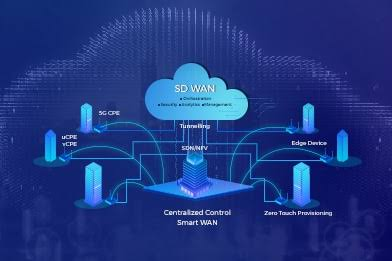
SD-WAN introduces a virtualized layer to network management, allowing administrators to route traffic dynamically across various connections such as MPLS, broadband, or LTE. This approach not only reduces dependency on costly traditional circuits but also makes network operations more resilient and easier to scale. Centralized management allows IT teams to configure policies, monitor network health, and resolve issues from a unified platform, resulting in fewer configuration errors and faster troubleshooting.
Another pivotal benefit lies in performance optimization. By analyzing real-time data on application needs and network conditions, SD-WAN systems can automatically prioritize critical business applications and allocate bandwidth where it is needed most. This ensures that users experience minimal lag or downtime, which is critical for productivity and customer satisfaction.
Cost efficiency is another factor driving adoption. Enterprises that mix-and-match connections blending broadband and existing MPLS, for example, can reduce telecom costs while maintaining, or even enhancing, reliability. Robust analytics and reporting tools within SD-WAN platforms give organizations the insight needed to continuously refine network spending and performance.
These capabilities make SD-WAN a cornerstone of modern enterprise network strategies, especially as companies contend with hybrid and remote workforces that complicate traditional perimeter-based models.
Integrating Security into SD-WAN Deployments
With cyber threats constantly evolving, security cannot be an afterthought in SD-WAN deployments. The convergence of networking and security functions is most clearly seen in Secure Access Service Edge (SASE) frameworks, which fuse SD-WAN with advanced security services such as firewalls, threat protection, and zero-trust access. This holistic model delivers both connectivity and security at every network edge, reducing the administrative burden of managing separate appliances and ensuring consistent policies are enforced wherever users connect.
Phased Deployment: A Practical Approach for Enterprises
Instead of a disruptive rip-and-replace approach, many organizations are choosing to implement SD-WAN in phases. A gradual integration (such as starting with non-critical branches or backup connections) helps minimize risk and allows troubleshooting challenges with less business impact. Digitally mature businesses, even with robust IT departments, often favor controlled rollouts due to contractual commitments with legacy providers and the complexity of existing infrastructures.
This phased approach enables testing SD-WAN in live environments, collecting performance data, and fine-tuning policies before full-scale adoption. Organizations can train staff, integrate new workflows, and incrementally add security protocols to protect data as the deployment progresses. By gradually rolling out SD-WAN, businesses gain deeper insights into traffic patterns and user experience, empowering IT leaders to make more strategic decisions about future enhancements and customizations as requirements evolve.
Enhancing Network Capabilities with Emerging Technologies
SD-WAN’s virtual framework makes it especially adaptable to upcoming advancements such as 5G and edge computing. By leveraging technologies such as the User Equipment Route Selection Policy (URSP), enterprises can precisely control how network traffic is segmented and prioritized. This flexibility enables organizations to support latency-sensitive use cases at the edge, optimize resource use, and deliver top-notch application performance for end users. The synergy between SD-WAN, 5G, and edge computing unlocks new potential for industries investing in IoT, AI, and distributed computing applications. Industry reports from leaders like TechTarget further support the ongoing rise of SD-WAN as the digital backbone of innovative enterprises.
Addressing Security Vulnerabilities in SD-WAN Solutions
Despite its strengths, SD-WAN is not exempt from cyber risks. Recent vulnerabilities—such as the one found in Cisco’s SD-WAN Manager have shown that attackers could potentially manipulate configurations or gain unauthorized control if gaps are left unchecked. This underscores the need for continuous monitoring, rapid patch management, and adherence to best security practices. It is vital for organizations to actively audit their SD-WAN infrastructure, keep software up to date, and follow vendor and trusted cybersecurity authority guidelines to protect against emerging threats. Additionally, regularly conducted security assessments can help identify weaknesses before they are exploited, minimizing overall risk and enhancing the enterprise network’s resilience.
Real-World Applications and Success Stories
SD-WAN adoption has brought tangible results to a wide range of enterprises. For example, a major financial institution in Algeria upgraded its MPLS network with SD-WAN, reporting improvements in speed, operational flexibility, and data security. These gains are echoed by similar success stories in retail, healthcare, and manufacturing sectors, where SD-WAN helps organizations overcome both connectivity and security challenges unique to their industries. The future outlook for SD-WAN adoption is bright, as businesses worldwide recognize its ability to future-proof their network infrastructure, streamline operations, and strengthen cybersecurity defenses amid an ever-changing threat landscape.
read more : Emily Ratajkowski Net Worth 2026: Modeling, Business & Wealth
Conclusion
SD-WAN is reshaping enterprise networking by offering a more intelligent, automated, and secure foundation for growth. By enabling centralized control, targeted performance optimization, and cost reduction, SD-WAN supports businesses in their digital transformation efforts. Approaching deployment in stages, integrating strong security, and staying attuned to technological advancements ensures that organizations maximize the full value of SD-WAN solutions for years to come.