A Simple 2026 Emergency Plan for Older Adults Who Live Alone
Living alone can be a source of pride, comfort, and independence. A simple emergency plan helps protect that independence when a fall, a sudden illness, a storm, a fire, or a power outage makes everyday tasks harder. The goal is not to expect the worst. It is to ensure help can be reached quickly and that important decisions do not have to be made under pressure.
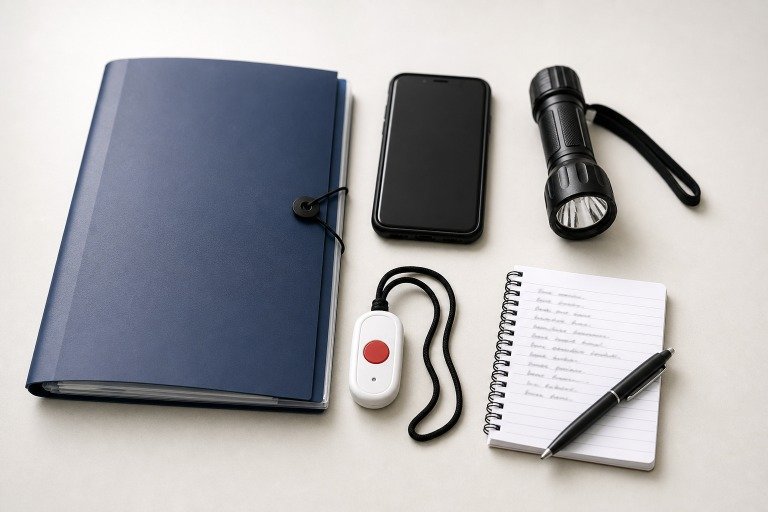
A reliable plan can be built one step at a time. It should include people to call, health information, basic supplies, and a way to request assistance, such as an emergency call button kept within reach. Family members can help with the setup while respecting the older adult’s choices about privacy, routines, and care.
Why Emergency Planning Matters
When someone lives alone, a minor problem can become more serious if no one knows it has happened. A slippery bathroom floor, a missed medication, excessive heat, a winter storm, or a smoke alarm can all require quick action. Preparation supports independence by giving a person clear options before an emergency begins.
For example, a woman who keeps her phone charged, has a neighbor’s number by the door, and stores her medications in one labeled place is better prepared after a fall than someone who must search for information while hurt or disoriented. The American Red Cross emergency preparedness guidance for older adults also recommends learning about likely local hazards, community alerts, and individual needs before a disaster occurs.
Spot Common Risks at Home
Start with a slow, room-by-room walk-through of the home. Focus on practical changes that reduce risk without requiring costly renovations. Ask, “Could I move safely here if the lights were out or I felt unwell?”
- Remove loose rugs, cords, clutter, and low furniture from walking paths.
- Improve dim areas with bright bulbs or plug-in night-lights.
- Keep bathroom floors dry, and place frequently used items within easy reach.
- Check that stairs have secure handrails and that steps are clear.
- Test smoke alarms, replace weak batteries, and make sure alarms can be heard.
- Keep glasses, a phone, mobility aids, and essential medicines close to where they are used.
A good contact plan does not depend on one person always being available. Choose several people who understand their roles and have permission to share information in an emergency.
- Select a nearby neighbor, friend, or relative who can quickly check the home.
- Choose a family member or trusted friend to coordinate updates.
- Add relevant professionals, such as a doctor, a home care worker, or a building manager.
- Write down each person’s name, phone number, address, and preferred contact method.
- Set a regular check-in time and decide what to do if it is missed.
Keep the list on paper as well as in a phone. Everyone involved should know whether a missed call means “try again later” or “check on me now.”
read more : Optimizing Hardware Lifecycle Management for Tech Startups
Prepare Medical Information
Emergency responders and trusted helpers need accurate details, especially when the person receiving care cannot explain them. Keep a printed sheet in a clearly marked folder and maintain a secure digital copy that a trusted contact can access if needed.
- Current medications, doses, pharmacy details, allergies, and major health conditions.
- Primary care and specialist contact information, insurance details, and preferred hospital.
- Emergency contacts, advance-care preferences, and relevant legal documents.
- Communication, mobility, hearing, vision, memory, or language needs.
Stock Simple Home Supplies
Emergency supplies do not need to be expensive or complicated. Build the kit gradually and choose items that the household already uses. Store supplies in a place that is dry, visible, and easy to reach.
- Drinking water and ready-to-eat foods that fit dietary needs.
- Prescription medicine, a basic first-aid kit, and copies of identification.
- Flashlights, spare batteries, a battery-powered radio, chargers, and a power bank.
- Warm clothing, blankets, sturdy shoes, and rain gear if appropriate.
- Pet food, extra glasses, hearing-aid batteries, and mobility supplies.
Plan for Power Outages
Outages can affect lighting, heating, air conditioning, elevators, phones, refrigeration, and medical devices. List every item in the home that requires electricity and decide what happens if power is unavailable for several hours or longer.
Ask a healthcare professional or equipment provider about backup power for essential medical equipment. Keep flashlights near the bed, favorite chair, and bathroom. Learn how to open necessary doors, use a phone, and leave the building safely without power. For local alerts, evacuation guidance, and preparedness information, review Ready.gov before severe weather arrives.
Prepare for Falls and Sudden Illness
Preparation can reduce the time between an emergency and getting help. Keep a phone or alert device close during daily activities, including bathing, sleeping, and working outside. Wear needed glasses and hearing aids during the day, and keep entry paths clear so helpers can move safely.
Discuss health concerns that may affect response time with trusted contacts. A personal alert system may be useful for some people. Still, the best option depends on mobility, health needs, comfort with technology, and whether the device will actually be worn or carried consistently.
Practice and Update the Plan
A plan is only useful if it remains accurate. Review it every six months and after a hospitalization, a move, a diagnosis, a medication change, or a change in mobility. Test smoke alarms and flashlights, replace expired food and batteries, confirm contact numbers, and practice leaving the home safely.
Common Questions Families Ask
How often should the plan be reviewed?
Review it twice a year, and after any major change in health, housing, transportation, or contact.
What if the older adult does not want help?
Start with shared planning rather than taking over. Ask what kind of help feels acceptable, then connect each step to personal goals such as staying at home, protecting a pet, or feeling confident during storms.
Should a family member keep a spare key?
It can be helpful if everyone agrees on the arrangement. A trusted person, secure lockbox, or building-approved access plan can balance privacy with the need for timely assistance.
What information should be kept near the door?
Keep a simple emergency sheet with the resident’s name, contacts, medical needs, medications, pets, and preferred hospital. Protect private information by placing it in a labeled folder rather than leaving sensitive details in public view.
Conclusion
The strongest emergency plan is simple enough to use on a stressful day. Clear contacts, accurate medical information, practical supplies, and regular practice can make a meaningful difference. For older adults who live alone, preparation creates more room for confidence, choice, and safe independence throughout 2026.