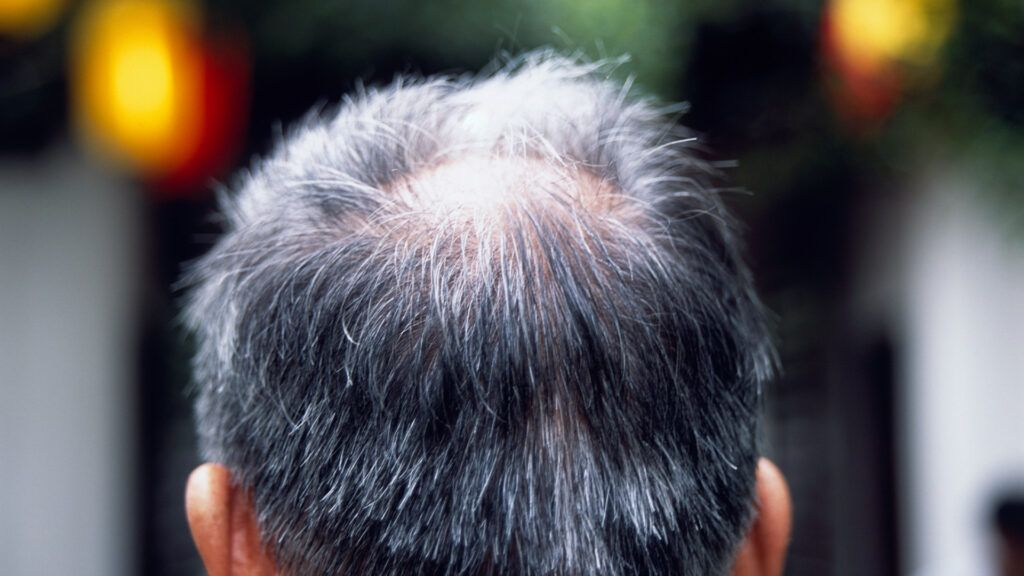
Hair Thinning: A Simple Guide to Causes, Daily Care, and Medical Checkups
Key Takeaways
- Hair thinning may be linked to genetics, illness, stress, nutrition, medicines, scalp conditions, or hair damage.
- Shedding and breakage can look similar, but they call for different next steps.
- Gentle styling, regular meals, and scalp care can support healthier-looking hair.
- Sudden, patchy, painful, or rapidly worsening hair loss should be evaluated by a clinician.
- Many treatments take months to assess, so consistency and realistic expectations matter.
Hair thinning can be unsettling, especially when the change seems sudden, or you are unsure whether it is normal shedding, breakage, or a longer-term pattern. While some people explore hair supplements as part of a broader routine, the most useful first step is usually to look for patterns in your health, scalp, styling habits, and family history. A few hairs in the shower or brush do not automatically mean permanent hair loss. Hair grows in cycles, and noticeable shedding can sometimes follow an illness, surgery, childbirth, major stress, weight change, or a change in medication weeks to months later.
Why Hair Thinning Can Feel So Confusing
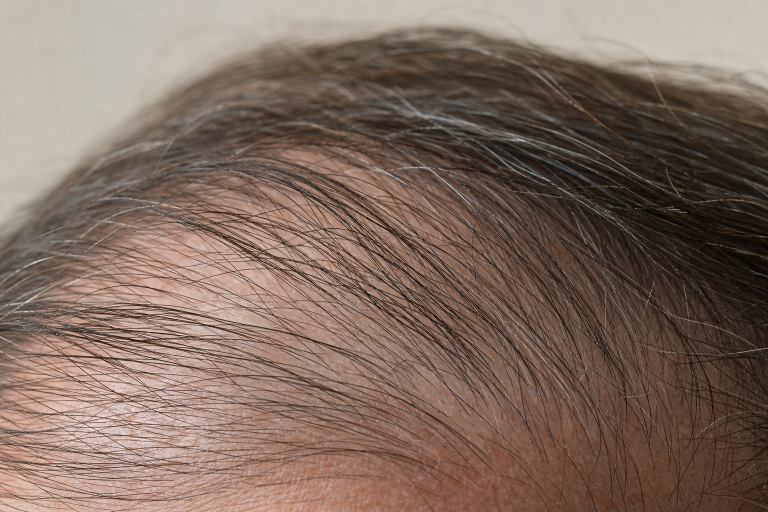
Hair changes do not always appear as obvious bald spots. You may notice a wider part, a thinner ponytail, more scalp showing under bright light, thinning near the temples, or a receding hairline. Because several factors can overlap, it is better to observe the overall pattern than to judge your hair based on a single difficult wash day. Learn more about how to distinguish between shedding and hair loss.
Common Reasons Hair Starts to Look Thinner
Genetics and Age
Inherited hair loss often develops gradually. Some people notice thinning around the crown or part, while others see a receding hairline or changes around the temples. Family history can offer useful clues, but it does not rule out other causes happening at the same time.
Stress, Illness, and Major Body Changes
High fever, surgery, childbirth, significant illness, rapid weight loss, and intense stress can be followed by increased shedding. This pattern may begin after the original event has passed, which is why a simple timeline of recent health and lifestyle changes can be valuable during a medical appointment.
Nutrition, Medication, and Scalp Concerns
Low protein intake, poor nutrition, some medical conditions, and certain medicines may contribute to hair loss. Itching, scaling, tenderness, redness, or pustules can also point to a scalp issue that needs attention. Do not stop a prescribed medication because of hair changes without speaking with the clinician who prescribed it.
How to Tell Shedding From Breakage
- Shedding: Often looks like full-length strands collecting in the shower, on a pillow, or in a brush.
- Breakage: More often appears as short snapped pieces, uneven lengths, split ends, rough texture, or fraying around the hairline.
- Possible shedding triggers: Recent illness, stress, hormonal shifts, weight changes, medications, or nutritional concerns.
- Possible breakage triggers: Frequent heat styling, chemical processing, tight styles, rough towel drying, and forceful brushing.
Take photos once a month in the same lighting and from the same angles. This can make gradual changes easier to evaluate than checking the mirror repeatedly throughout the day.
Daily Habits That Support Scalp Health
- Wash often enough to remove oil, sweat, and product buildup from your scalp.
- Use lukewarm water and massage shampoo in with your fingertips rather than your nails.
- Condition the middle lengths and ends if your hair feels dry and tangles easily.
- Detangle gently from the ends upward, especially when hair is wet.
- Pat hair dry instead of rubbing it vigorously with a towel.
- Reduce repeated high-heat, harsh chemical services, and styles that pull tightly at the hairline.
Changes to damaging hair care or hairstyles can help when breakage or traction is contributing to visible thinning.
Foods That Support Normal Hair Growth
Rather than chasing one “miracle” food, build regular meals around protein, colorful produce, healthy fats, and iron-containing foods. Practical choices include eggs, fish, yogurt, beans, lentils, tofu, leafy greens, berries, citrus, nuts, seeds, and fortified foods. Supplements are most appropriate when they address an actual need. Before taking high doses of iron, zinc, vitamin D, or other nutrients, ask a clinician whether testing or individualized guidance makes sense.
Stress, Sleep, and Hair Changes
Stress can affect sleep, eating patterns, daily routines, and scalp care. A steady sleep schedule, regular movement, balanced meals, and adequate hydration may support overall well-being, but stress management alone will not reverse all forms of hair loss.
When to Book a Dermatology Visit
Book an appointment if hair loss is sudden, rapid, patchy, painful, or accompanied by swelling, significant scaling, redness, or drainage. Also seek care if you are losing eyebrow, beard, or body hair, or if thinning continues despite gentler care. A dermatologist can distinguish excessive shedding from hair loss and help identify the cause.
What to Expect During a Hair Loss Checkup
A visit may include questions about when the change began, family history, recent illness, stress, diet, weight changes, medicines, and supplements. The clinician may examine the scalp and hair closely, perform a hair pull test, or order blood work or a scalp biopsy when the findings suggest an underlying condition, deficiency, hormone issue, or infection. The possible causes of hair loss range from inherited patterns to stress, low protein intake, health conditions, and medicines, which is why a personalized evaluation can be more helpful than guessing.
Common Treatment Discussions
Treatment depends on the diagnosis. A clinician may discuss observation, changes to hair care, topical products, prescription medicines, injections, procedures, or hair restoration options. Some types of shedding improve when the trigger resolves, while other forms need ongoing management to slow additional loss. Ask about expected results, side effects, cost, maintenance, and how long it will take to judge whether a plan is working. The treatment options for different forms of hair loss vary, and no single approach works for everyone.
A Simple 30-Day Hair Care Plan
- Day 1: Take clear photos of your front, sides, part, and crown.
- Days 2 to 7: Track washing, styling, scalp symptoms, and noticeable shedding.
- Week 2: Cut back on tight styles, aggressive brushing, and frequent high heat.
- Week 3: Review your meals and include consistent sources of protein and produce.
- Week 4: Compare your photos and notes, then arrange a checkup if thinning persists or warning signs appear.
Conclusion
Hair thinning is easier to address when you focus on patterns rather than panic. Changes in shedding, hair density, part width, or thinning in specific areas can provide useful information over time, especially when you keep track of when the changes began and whether they are becoming more noticeable. Gentle hair care, realistic nutrition, less tension and heat, and consistent tracking can help you make clearer decisions without relying on quick fixes or assumptions. It may also be helpful to consider recent changes in stress, health, medications, hormonal patterns, or hair care routines when examining possible contributing factors. When hair loss is sudden, patchy, painful, noticeably worsening, or persistent, professional guidance is the safest next step. A qualified healthcare professional can help assess possible causes and determine whether further evaluation or treatment may be appropriate.