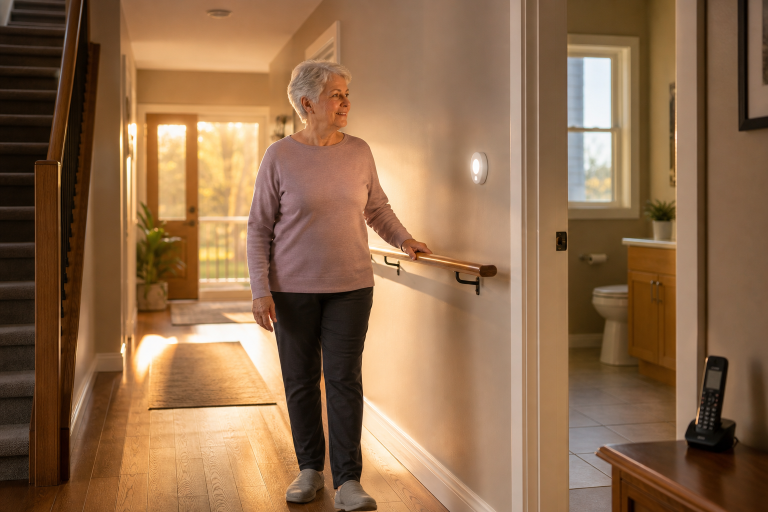
How Older Adults Can Build a Safer Independent Living Plan in Canada
Key Takeaways
- Independent living is easier to sustain when safety planning happens before a crisis.
- Home updates, health routines, emergency details, and social support should work together.
- Small changes, such as better lighting and clearer pathways, can make daily routines more manageable.
- Technology should support personal choice, privacy, and reliable access to help.
- A living plan should be reviewed whenever health, mobility, housing, or support needs change.
Many older adults in Canada want to remain in the homes and communities they know. A safer independent living plan can make that goal more realistic by identifying practical needs early, from managing icy entryways in winter to arranging support when a trusted neighbor is away. Independence does not mean handling every challenge alone. It means having the right systems in place to maintain comfort, dignity, and control.
Planning should reflect the person’s actual routines, preferences, and home environment. For someone who lives alone, that may include considering medical alert systems for seniors free Canada options alongside a dependable check-in plan. For another household, it may mean improving access to a bathroom, organizing medication reminders, or making transportation arrangements before they become urgent.
Why an Independent Living Plan Matters
An independent living plan is a personal guide for staying safe at home while preserving choice. It can help an older adult and their family discuss what is going well, which tasks have become more difficult, and what support would feel useful rather than intrusive. Planning early creates more time to compare options and make decisions calmly.
A good plan balances safety with privacy. It should not assume that every older adult needs the same level of assistance. Instead, it should focus on everyday life, including getting out of bed, preparing meals, managing appointments, walking outdoors, welcoming visitors, and contacting help when needed.
Start With a Room-by-Room Home Check
Walk through the home at a normal pace and look for obstacles, hard-to-see areas, and tasks that require unnecessary bending, reaching, or climbing. Home safety tips for older adults can help households turn that walkthrough into a practical checklist.
Focus on the areas used every day
- Entrance: Check walkways, steps, railings, door locks, and outdoor lighting. In Canadian regions with snow or freezing rain, make a plan to clear and treat slippery surfaces.
- Living room: Remove loose rugs, trailing cords, and furniture that narrows common walking routes.
- Kitchen: Keep frequently used dishes and food on easy-to-reach shelves. Confirm that appliances, smoke alarms, and lighting are in working order.
- Bathroom: Consider stable handholds, non-slip surfaces, adequate lighting, and comfortable seating.
- Bedroom: Keep a clear path to the bathroom, place a phone within reach, and make nighttime lighting easy to switch on.
Reduce Fall Risks in Daily Routines
Safety is not only about the home itself. It is also about what happens during familiar routines. Keep glasses, mobility aids, phones, and commonly used items within easy reach. Wear supportive footwear indoors rather than relying on loose slippers or socks on smooth flooring.
Nighttime deserves special attention. A person may walk past a rug safely all day but have trouble seeing it on the way to the bathroom after dark. Removing the rug, clearing the route, and adding a motion-sensor light may be enough to make that routine easier. New concerns about balance, vision, dizziness, or strength should be discussed with a qualified health professional.
Create a Simple Emergency Plan
Emergency details are easier to use when they are written down in large, readable text and kept in a consistent location. Trusted family members or friends should know where to find the plan, but sensitive information should only be shared with people the older adult chooses.
- List emergency contacts, including a nearby person who can check in quickly.
- Write the home address, unit number, entry instructions, and any relevant access details.
- Keep an updated list of medications, allergies, major conditions, and health care contacts.
- Decide how help will be requested if a phone is out of reach or across the room.
- Identify a backup contact in case the primary support person is unavailable.
- Consider power outages, severe weather, fire, and evacuation needs, especially for devices that require electricity.
Organize Health and Medication Support
A clear walkway is valuable, but it does not replace regular health care and honest conversations about changing needs. Keep one current medication list instead of relying on memory, and update it after prescription changes. Store medications in a dry, well-lit, easily accessible area, and plan refills before supplies run low.
Reminders can also support appointments, meals, hydration, and daily routines. A pharmacist or clinician can help review questions about medication use or possible interactions. Families should also pay attention to meaningful changes in hearing, vision, memory, balance, or the ability to manage usual activities.
Choose Technology With Care
Technology can be helpful when it fits the person using it. Options may include automatic lights, door alerts, medication reminders, wearable call buttons, and devices that connect a user with assistance. Before choosing any tool, check whether it is simple to operate, whether it needs charging, and whether it works reliably throughout the home.
More technology is not always better. The best device is one that the user understands, remembers to use, and feels comfortable having in the home. Test it during a calm moment, confirm who receives alerts, and review privacy settings for cameras, microphones, location features, or monitoring services.
Build a Strong Support Network
Reliable support for older adults often involves multiple people, including family, friends, neighbors, and service providers. It is important to identify those who can assist with tasks such as transportation, grocery shopping, and companionship. Establishing a respectful check-in schedule, through calls or visits, is essential. Additionally, support should be collaborative, allowing older adults to choose the type of assistance they need and who provides it. Regular social connections help monitor changes in routines or needs, contributing to a safer support plan.
Review the Plan Through the Year
A living plan should change when circumstances do. Revisit it after an illness, injury, hospital stay, medication adjustment, move, or change in caregiver availability. Test emergency contacts and safety devices every few months, and update health information whenever it changes.
For additional ideas, an aging in place home safety guide outlines practical home modifications, lighting improvements, and emergency-planning considerations. Reviewing costs for repairs, transportation, home support, and safety tools can also help households prioritize the changes that matter most.
A Safer Path to Independent Living
A strong independent living plan does not need to be complicated. It can begin with a clear path through the home, an updated contact list, a dependable check-in routine, and a conversation about personal priorities. By reviewing the plan regularly in 2026, older adults in Canada can address small concerns sooner while continuing to live with greater confidence and control.