What It Really Means to Be a Responsible Traveller?
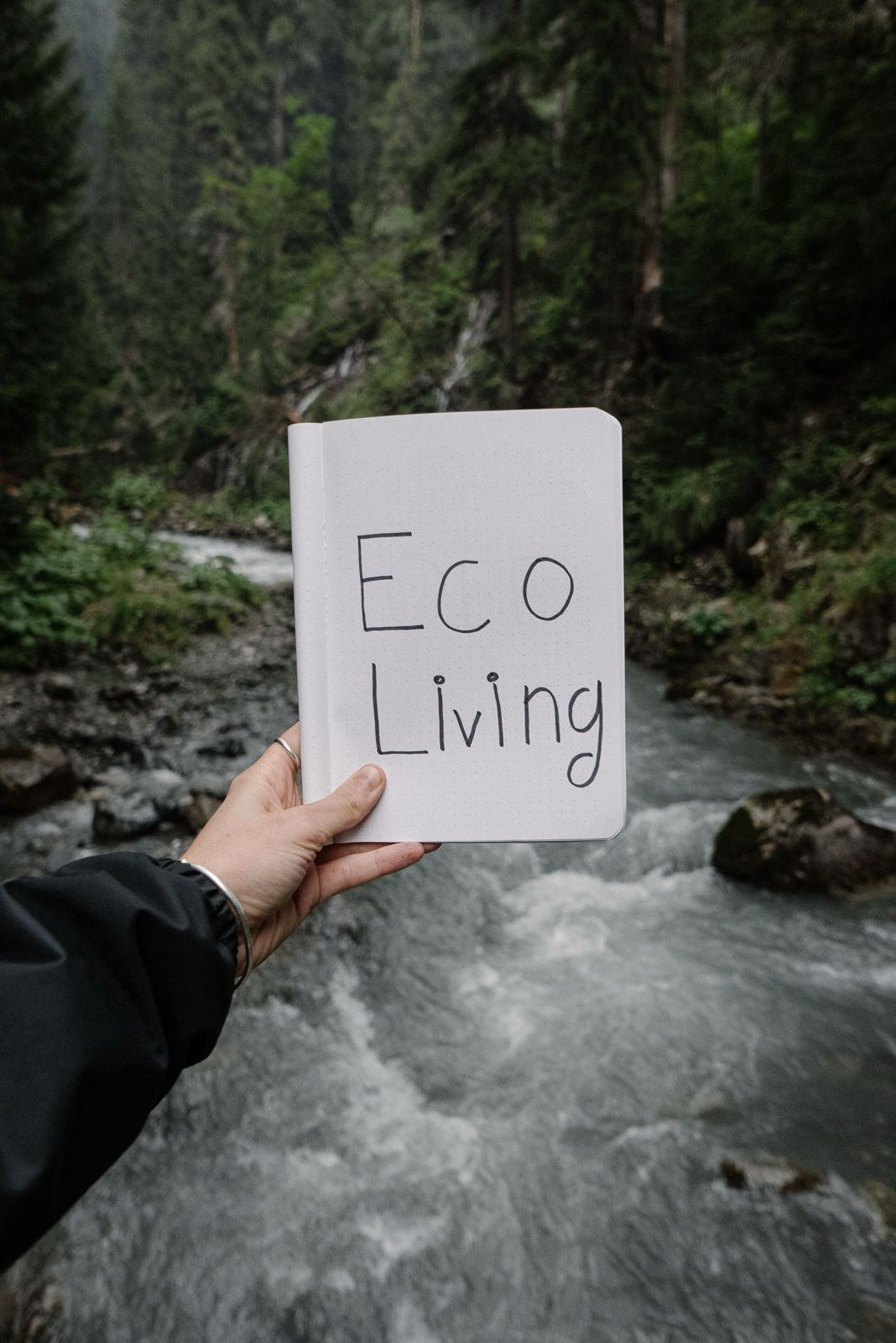
Responsible travel gets talked about a lot these days. There’s usually a familiar list attached to it. Carry a reusable bottle. Avoid plastic. Save water. Take public transport. Pick an eco-friendly hotel. All good advice. But being a responsible traveller isn’t really about ticking boxes. It’s more about paying attention to the place being visited and thinking a little beyond the holiday itself.
A destination is someone’s home, after all. People live there, work there, raise families there, and deal with things that tourists may never notice during a few days away. That’s worth remembering.
Start with the Things That Are Easy to Ignore
Water and electricity are probably two of the easiest things to take for granted while travelling. A hotel room can make it very easy to forget about consumption. The air conditioner stays on. Towels get replaced every day. A shower lasts longer than it normally would at home. None of these things seems particularly serious on its own. But tourism can put additional pressure on local resources, especially in places already dealing with shortages.
There’re some very simple ways to cut back. Take a shorter shower. Reuse towels when possible. Switch off the lights and air conditioning before heading out. Carry a refillable bottle instead of buying another plastic bottle every few hours. It’s not difficult. It just requires noticing what’s being used.
The same applies to getting around. Walking is obviously a good option when the distance allows it. Local buses and trains are useful too, and sometimes much more interesting than travelling everywhere by private car. They also give a better idea of how people actually move around the city.
Remember That This Is Someone’s Home
Tourists sometimes forget this part. A market can look like an attraction to a visitor, while it’s simply someone’s workplace. A religious building can be a fascinating place to explore, but it may also be somewhere where people come to pray every day.
A little awareness goes a long way. Before visiting a new country, it’s worth checking basic customs. Is there a dress code? Can photographs be taken inside? Are there rules around food, religious spaces, or public behaviour? These things are easy to find out before arriving. And just ask if you want to take pictures of them. Not everyone wants to be photographed just because they are walking in a town or standing in a bustling market. This is especially very important when kids are involved.
Interactions can be facilitated by even picking up a few phrases in the native tongue. Nobody anticipates that a traveller will become proficient. Saying “hi,” “thank you,” or “excuse me” is sufficient to show some consideration.
Where the Money Goes Matters Too
Travel involves spending money almost constantly. Hotels. Restaurants. Taxis. Tours. Shops. Coffee. Souvenirs. A traveller can make a difference simply by thinking about where some of that money ends up.
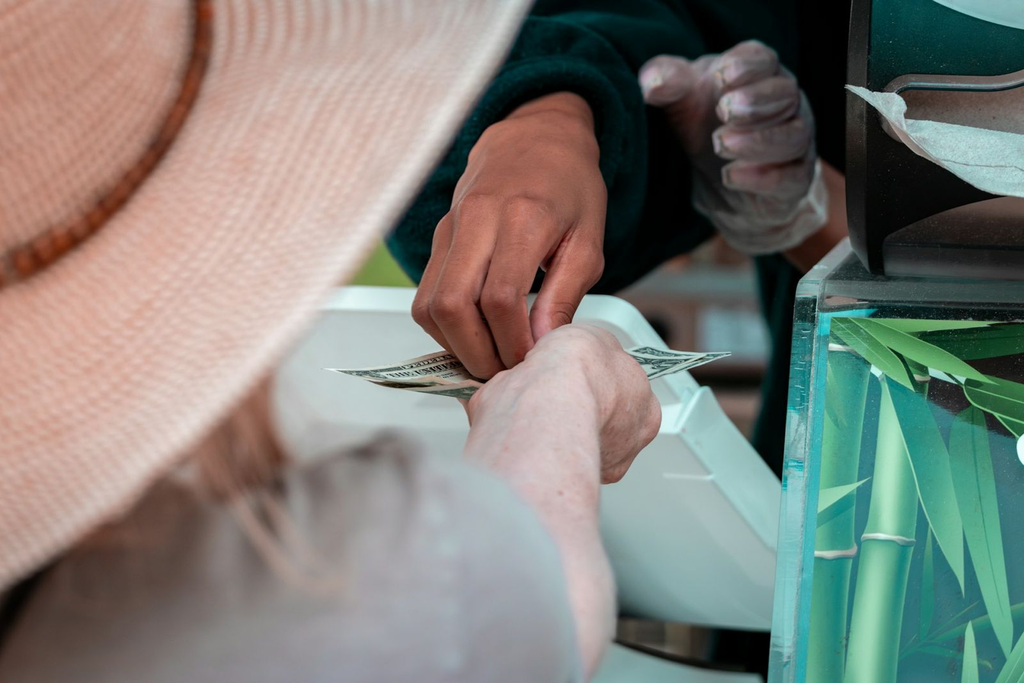
A family-run restaurant, independent guesthouse, local guide, or small shop may benefit directly from that spending. Buying something from a local maker can do the same. This does not mean large hotel chains or international businesses need to be avoided completely. That’s not realistic, and it’s not really the point. The point is to include local businesses where possible.
If every part of a trip is booked through large international companies, much of the economic benefit may leave the destination. Spending some money with local businesses helps keep more of it within the community. It’s a small change, but tourism happens on a very large scale.
There’s More to Responsible Travel Than the Trip
This is the part that often gets overlooked. Responsible travel doesn’t have to end when the plane lands back home. There’re communities around the world dealing with basic needs that visitors may never see. Clean water is one of them.
A traveller can spend a week in a beautiful destination, stay somewhere comfortable, eat great food, and never have any reason to think about where nearby communities get their water. That doesn’t mean the problem isn’t there. Supporting credible organisations working on basic infrastructure can be another way of making a positive contribution. For someone who wants to support access to clean water, choosing to donate water well is one option.
The key word here is credible. Before giving, check the organisation, the project, where it operates, and what information it provides about how donations are used. A good cause still needs proper accountability.
Not Everything Called “Eco” Is Actually Sustainable
There’s alot of green language in the travel industry now. Eco hotel. Green resort. Sustainable tour. Carbon-conscious travel. Some businesses are genuinely doing the work. Others are simply very good at marketing it. So instead of looking at the label, look at what’s actually happening. Is the hotel reducing water consumption? Are local people employed? Does the tour operator work with the community? Are wildlife experiences designed around animal welfare?
The Global Sustainable Tourism Council has established criteria covering areas such as environmental responsibility, cultural impact and benefits to local communities. These kinds of standards are more useful than simply trusting a “green” badge on a booking page.
It Doesn’t Have to Be Perfect
This is probably the most practical way to look at responsible travel. A traveller will still fly. A reusable bottle will occasionally be forgotten. A large hotel may sometimes be the only practical option. That doesn’t cancel everything else. The goal isn’t to have a perfect trip. It’s simply to make better choices when there’s an easy opportunity to do so.
Use less water. Avoid unnecessary waste. Respect local customs. Spend with local businesses. Be careful about wildlife experiences. Look into organisations before donating. And, perhaps most importantly, remember that a destination isn’t just a place to visit. It’s a place where people live. Travel becomes more responsible when that stays in mind.