How To Compare Coastal Neighborhoods Before Buying A Home In Laguna Beach, California
Key Takeaways
- The right Laguna Beach home should fit your routine, not just look impressive during a showing.
- Compare insurance, taxes, association dues, maintenance, and transportation costs alongside the purchase price.
- Coastal conditions, hillside access, parking, and visitor activity can vary substantially from one neighborhood to another.
- Visit each area at different times before making an offer.
- Use a written scorecard to balance emotional appeal with practical considerations.
Why Location Matters As Much As The House
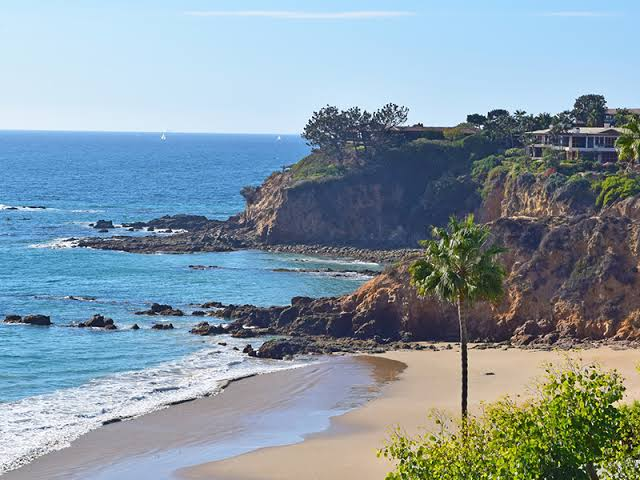
Buying in Laguna Beach means choosing a daily setting, not simply a floor plan. A home can be updated over time, but its relationship to the beach, canyon roads, downtown activity, hillsides, parking, and nearby services will remain central to everyday life. That is why a strong comparison starts with the neighborhood before the finishes, view, or staging details take over the decision.
For buyers evaluating coastal Orange County options, Laguna Beach real estate agent Clara Blunk provides a website focused on coastal properties, home searches, valuations, buyer resources, and neighborhood information. Clara Blunk serves Laguna Beach and nearby communities, including Dana Point and Newport Beach, making her local-market perspective useful when buyers need to connect a property’s features to the practical realities of living near the coast.
Match The Neighborhood To Your Daily Life
Before touring homes, write down what an ordinary week requires. A neighborhood that feels perfect for a Saturday beach walk may be less convenient on a workday if grocery runs, medical appointments, school drop-offs, or commuting become difficult. Start with needs, then compare every area against the same list.
- How close are groceries, pharmacies, health care, and everyday services?
- Can you comfortably walk to beaches, trails, parks, dining, or local shops?
- Will the route work for a commute, regular airport trips, or family visits?
- Do the streets offer the quiet, privacy, lighting, and sidewalks you prefer?
- Is there enough room for pets, surfboards, bicycles, hobbies, or overnight guests?
A remote worker may prioritize a quieter street, usable office space, and dependable internet options. A buyer planning to age in place may place greater weight on flatter walking routes, nearby services, and a lower-maintenance home. Neither preference is better. The goal is to identify the conditions that will still matter after move-in day.
Calculate The Full Cost Of Ownership
Listing price is only the opening number. Build a monthly estimate for each property so that homes in different Laguna Beach neighborhoods can be compared on a more realistic basis. Ask lenders, insurers, and associations for property-specific information rather than relying on broad estimates.
- Mortgage principal, interest, and property taxes
- Homeowners insurance and any supplemental coverage
- HOA or condominium dues
- Utilities, landscaping, pool service, and exterior upkeep
- Roof, window, drainage, and corrosion-related maintenance
- Fuel, tolls, parking, and other transportation costs
- Potential special assessments or major capital repairs
Keep a reserve for surprises. Coastal ownership can involve maintenance needs that are not obvious from a listing, and association costs can change when shared buildings or infrastructure need work. A more expensive home may still be the better financial fit if it reduces driving, avoids immediate repairs, or has clearer shared maintenance responsibilities.
Combine Local Research With Personal Visits
Online research can reveal useful patterns, but it cannot replace direct observation. The U.S. Census Bureau QuickFacts tool allows buyers to review selected population, housing, income, and commuting information for counties, cities, and qualifying towns. Use data to form better questions, then test those questions in person.
Visit a short list of neighborhoods on weekday mornings, weekday evenings, and busy weekend periods. Pay attention to the sound level, visitor parking, delivery traffic, beach access, street width, and the time needed to reach the places you will use most. Talk with neighbors when appropriate, but confirm important information through official records and professionals.
Review Coastal And Hillside Conditions
Laguna Beach buyers should evaluate the home as both a coastal structure and a residence. Salt air, wind, rain, drainage, slopes, and retaining features can affect maintenance, insurance discussions, and long-term comfort. These factors do not automatically rule out a home, but they deserve early attention during due diligence.
Start by searching the address through the FEMA Flood Map Service Center, then discuss the property’s insurance requirements and available coverage with qualified professionals. A flood map is one piece of the review, not a substitute for inspections, seller disclosures, local guidance, or an insurer’s underwriting decision.
Details Worth Checking
- Roof age, repair records, and visible signs of wear
- Windows, doors, drainage paths, gutters, and storm protection
- Evidence of water intrusion, leaks, grading issues, or corrosion
- Retaining walls, slope conditions, and permitted improvements
- Heating and cooling equipment, exterior finishes, and past claims were available
Test Access, Traffic, And Parking
Distance on a map does not always reflect the real experience of getting around coastal communities. Limited routes, narrow streets, steep grades, events, and beach traffic can change a routine trip. Drive the actual routes from the property to work, school, grocery stores, medical offices, and favorite destinations.
- Check travel times at the times you would normally leave home.
- Park near the property during a busy weekend or evening period.
- Walk the block and note sidewalks, lighting, hills, and visibility.
- Listen for traffic, nightlife, construction, outdoor gatherings, or other recurring noise.
- Consider how visitors, service providers, and emergency vehicles would access the home.
Understand HOA And Condominium Documents
For a condominium, townhome, or planned community, review association materials before removing important contract protections. Dues alone do not tell the whole story. Buyers should understand reserve funding, insurance responsibilities, planned projects, and restrictions that could affect daily use or future flexibility.
- Current dues, recent increases, and pending special assessments
- Reserve studies, budgets, meeting minutes, and major repair plans
- Rules for pets, rentals, parking, renovations, and home businesses
- Responsibility for roofs, exterior walls, landscaping, roads, and common areas
Compare Property Types
Single-family homes generally provide more control and privacy, but owners take on more exterior maintenance. Townhomes can offer a middle ground, with some shared upkeep and association rules. Condominiums may simplify individual maintenance, although owners share responsibility for building expenses and depend on association management. Compare the ownership structure with your desired level of control, time, and budget.
Consider Long-Term Flexibility And Resale
Future resale is not about predicting the market. It is about recognizing what may matter to the next buyer: accessible parking, a practical layout, understandable costs, manageable maintenance, and a location that works for everyday life. A dramatic view can be meaningful, but it may not outweigh difficult access, extensive repairs, unclear association finances, or an ownership cost that exceeds a buyer’s comfort level.
Create A Neighborhood Scorecard
Rate each neighborhood from one to five after every visit. Keep notes while the details are fresh and update the ratings as inspections, insurance quotes, and association documents become available.
- Lifestyle fit: Recreation, walkability, privacy, dining, and neighborhood pace.
- Total cost: Purchase price, taxes, insurance, dues, utilities, repairs, and travel.
- Coastal resilience: Flood information, drainage, slope conditions, and exterior wear.
- Daily convenience: Parking, road access, errands, services, and commute practicality.
- Future flexibility: Resale appeal, renovation options, rental rules, and changing household needs.
The best Laguna Beach neighborhood is not necessarily the closest to the sand or the most expensive address. It is the place that supports your budget, routine, risk tolerance, and plans for the years ahead.