Roofing Toronto Homeowners: How to Prepare Your Roof for the 2026–27 Winter
Winter in the Greater Toronto Area (GTA) presents a tough environment for residential structures. As temperatures plunge, roofs across Southern Ontario face heavy snow accumulation, violent windstorms, and relentless freeze-thaw cycles. Preparing for the 2026–27 winter season requires a proactive maintenance plan to ensure your roof remains watertight, structurally sound, and energy-efficient.
A failing roof in the middle of a Canadian winter can lead to severe structural damage, indoor water leaks, damaged drywall, and high emergency repair bills. By performing necessary inspections, clearing drainage pathways, and optimizing attic performance before the first snowfall, you can protect your property and avoid costly mid-winter surprises.
1. Understand the Risks of Toronto’s Winter Climate
Preparing your roof begins with understanding the specific weather forces that act on residential properties throughout Southern Ontario during winter months.
- Repeated Freeze-Thaw Cycles: Rapid shifts between daytime thaw and nighttime freezing cause snow meltwater to flow under shingles, freeze, expand, and push roofing materials apart.
- Heavy Snow Loads: Wet, dense snow places substantial weight on rafters and roof decking, exposing hidden structural weaknesses or rot.
- Ice Dam Formations: Heat escaping from poorly insulated attics melts roof snow, which runs down to colder eaves and freezes into thick ice ledges that back up water into living spaces.
- High-Wind Events: Cold weather windstorms pull at loose or aged shingles along roof perimeters, breaking adhesive seals and exposing raw underlayment to moisture.
2. Conduct a Comprehensive Pre-Winter Visual Inspection
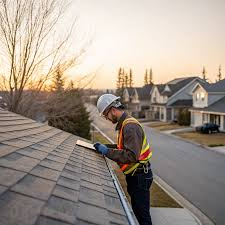
Before cold weather sets in, roofing companies perform a ground-level and ladder-edge inspection to locate vulnerable areas across your roof.
- Shingle Integrity: Check for cracked, curling, or missing asphalt shingles that could let melting snow penetrate the roof deck.
- Granule Loss: Inspect your roof surface for bare, darkened spots on shingles, which indicate advanced material wear and reduced weather resistance.
- Flashing and Seals: Examine metal flashing around chimneys, skylights, dormers, and roof vents to ensure seals remain tight and rust-free.
- Roofline Alignment: Look for visible dips or sagging along the main ridge line or lower slopes, which can signal structural rot or rafter stress.
3. Clear and Secure Eavestroughs and Downspouts
Proper water drainage is your roof’s best defense against ice dams and perimeter water damage during winter thawing periods.
- Remove Autumn Debris: Clear all leaves, pine needles, and organic sludge from gutters so melting snow can drain freely.
- Check Gutter Slope: Ensure eavestrough channels maintain a slight downward pitch toward downspouts to prevent standing water from freezing into solid ice blocks.
- Secure Loose Fasteners: Tighten loose gutter brackets and spikes to ensure eavestroughs can support the heavy weight of winter ice and snow accumulation.
- Extend Downspouts: Verify that downspout extensions discharge water at least six to eight feet away from your home’s foundation walls.
4. Optimize Attic Ventilation and Insulation
Preventing ice dams depends far more on managing heat inside your attic than on surface shingle performance alone.
- Balance Air Circulation: Ensure soffit intake vents and ridge exhaust vents remain clear of insulation or debris to maintain a continuous, cool airflow through the attic.
- Seal Air Leaks: Block gaps around attic access hatches, ceiling light fixtures, bathroom fan ducts, and chimney chases to stop warm living space air from leaking into the attic.
- Upgrade Insulation Levels: Verify that attic insulation meets recommended thermal standards, keeping heat trapped inside living spaces rather than warming the roof deck.
- Vent Exhaust Ducts Externally: Confirm that all bathroom and kitchen exhaust fans vent directly outside the home rather than terminating inside the attic space.
5. Prune Overhanging Tree Branches
Heavy snow accumulation and winter winds can transform nearby tree limbs into severe hazards for your roof structure.
- Trim Proximity: Cut back branches that extend within six to eight feet of your roofline to prevent them from rubbing against shingles during high winds.
- Prevent Snow Weight Breakage: Remove dead or weak limbs that could snap under heavy ice and fall directly onto your roof deck.
- Deter Wildlife Access: Trimming branches limits squirrel and raccoon access to your roof perimeters as they search for warm winter nesting spots.
6. Inspect and Maintain Flat Roof Sections
Many classic Toronto homes, row houses, and modern builds feature flat or low-slope roof elements that demand extra attention before winter.
- Inspect Seams and Membranes: Check modified bitumen, EPDM, or TPO membrane seams for tears, bubbles, or splits that could admit backed-up water.
- Clear Roof Drains and Scuppers: Remove all debris blocking internal roof drains and exterior wall scuppers to allow unrestricted meltwater flow.
- Verify Drainage Slope: Ensure flat roof areas do not have severe depressions where pooling water could turn into heavy ice sheets.
7. Address Flat-Roof and Eave Heating Solutions
For homes with complex roof designs prone to recurrent ice damming, adding specialized winter protection equipment can offer extra security.
- Self-Regulating Heating Cables: Install commercial-grade heating cables along roof eaves, valleys, and downspouts to keep meltwater channels open during severe freezes.
- Test Existing Systems: Turn on and test pre-existing heating cables in late autumn to verify they function properly before freezing temperatures arrive.
8. Establish a Winter Snow and Ice Management Plan
Knowing how to handle heavy snow build-up during peak winter months keeps your home safe and prevents structural overloads.
- Roof Rake Preparation: Purchase a specialized, non-abrasive telescoping roof rake designed to safely pull fresh snow off lower eaves from the ground.
- Avoid Metal Tools: Never use metal shovels, sharp picks, or harsh chemicals to scrape ice off shingles, as these method severely damage protective layers.
- Plan for Professional Removal: Identify qualified local service providers who offer safe, professional roof snow and ice removal if heavy snowfall exceeds structural thresholds.
Final Thoughts for Toronto Property Owners
Taking a proactive approach to roof maintenance before the 2026–27 winter season begins protects your home, preserves property value, and saves you money on emergency repairs. By inspecting surface shingles, clearing drainage systems, balancing attic airflow, and trimming nearby trees, you can ensure your roof will withstand Southern Ontario’s tough winter climate.
If your pre-winter evaluation reveals sagging decking, extensive shingle loss, or persistent leak issues, schedule a comprehensive inspection with a licensed, insured local trade professional before winter weather arrives.