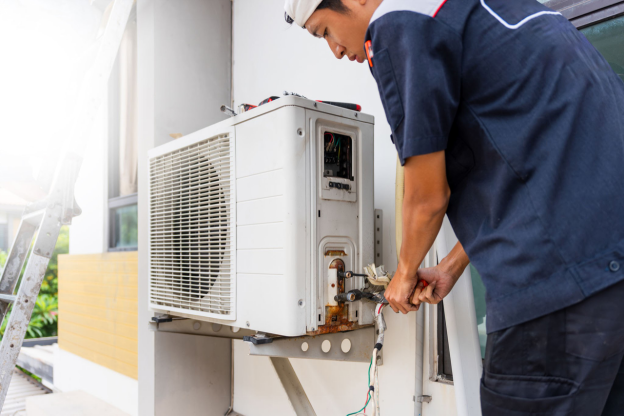
Modern AC Repair and Maintenance: Insights from Air Nifty Air Conditioning
When severe summer heatwaves strike, a functioning air conditioning system is more than just a home luxury—it is an essential requirement for health, comfort, and safety. In regions with prolonged high humidity and summer temperatures, such as South Florida, a sudden AC breakdown can turn a home unbearable in a matter of hours.
Understanding how modern heating, ventilation, and air conditioning (HVAC) systems operate, recognizing the early warning signs of system failure, and choosing a dependable local contractor are key steps for every homeowner. Service providers like Air Nifty Ac Repair, based in Margate, FL, illustrate how customer-centric service, fast emergency response times, and expert diagnostic skills define today’s HVAC repair industry.
The Critical Role of Prompt AC Repair in High-Heat Climates
Air conditioners work by drawing heat and moisture out of indoor air and exhausting it outdoors using a closed-loop refrigerant system. During peak summer months, these systems run continuously for 12 to 18 hours a day. Over time, thermal stress, electrical surges, and mechanical friction cause component wear.
Delaying necessary AC repairs leads to compound problems:
- Escalating Utility Costs: A system with a failing capacitor or a dirty evaporator coil must work twice as hard to maintain thermostat temperatures, causing energy bills to spike.
- Preventable Equipment Damage: A small refrigerant leak or minor blower motor misalignment can overheat the compressor—the most expensive component in the system—resulting in total system failure.
- Indoor Air Quality Risks: High indoor humidity paired with a clogged condensate drain line creates ideal breeding grounds for mold, mildew, and airborne allergens within ductwork.
Common Air Conditioning Failures and How Professionals Fix Them
Modern air conditioners are complex mechanical and electrical systems. While basic maintenance like changing air filters can be handled by homeowners, major diagnostic and repair tasks require licensed HVAC technicians equipped with specialized tools.
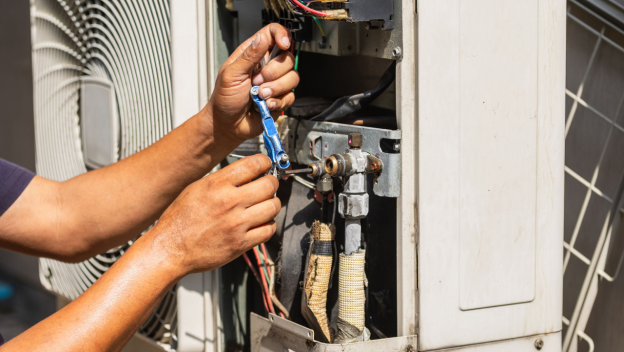
1. Electrical Component Failures
- Capacitors and Contactors: Run and start capacitors store electrical energy to kickstart the compressor and fan motors. Extreme heat frequently causes capacitors to swell or lose charge. Replacing a blown capacitor restores normal fan and compressor operation.
- Wiring Degradation: Loose terminal connections or frayed wiring can trip breaker panels or burn out control boards. Technicians inspect high-voltage lines and low-voltage control circuits to restore safe current flow.
2. Refrigerant Leaks and Pressurization Issues
- Modern systems run on specific refrigerant pressures. Micro-fractures in copper refrigerant coils cause slow pressure drops.
- Technicians use electronic leak detectors or nitrogen pressure tests to locate leaks, repair copper connections, and recharge the system according to exact manufacturer specifications.
3. Condensate Drain Blockages
- As the cooling coil removes moisture from the air, water drips into a drain pan and flows through a condensate line.
- Algae, dust, and debris often block these lines. When water backs up, safety float switches trip to shut off the unit, preventing water damage to ceilings and flooring. Technicians clear the drain line using high-pressure vacuuming and apply anti-algae treatments.
Key Standards for Choosing an HVAC Repair Partner
Selecting the right HVAC service contractor makes the difference between a lasting repair and repeated breakdown headaches. Homeowners evaluating repair options should look for providers that meet key industry benchmarks:
| Standard | What Homeowners Should Look For | Advantage Offered by Air Nifty |
| Response Speed | Same-day or rapid dispatch availability | Rapid scheduling for urgent breakdown emergencies |
| Permits & Licensing | Licensed, insured, and permitted work | Full municipal permit handling and code compliance |
| Warranty Handling | Assistance with manufacturer coverage | Automatic registration of serial numbers and equipment |
| Pricing Transparency | Upfront estimates without hidden fees | Clear, agreed-upon service costs prior to work |
| Customer Support | Proactive communication and follow-up | High-rated customer care and warranty assistance |
Preventative AC Maintenance: The Best Defense Against Repairs
While rapid repair services are critical during an emergency, preventative maintenance remains the single best investment for long-term cooling efficiency and equipment longevity.
Homeowner Maintenance Checklist
- Change Air Filters Every 30–90 Days: Clean filters allow proper airflow across the indoor coil, preventing frost accumulation and blower motor strain.
- Clear the Outdoor Condenser: Keep grass, leaves, and outdoor storage at least 2 feet away from the outdoor unit to permit adequate heat discharge.
- Inspect the Condensate Drain Line: Pouring a cup of plain vinegar down the condensate line access port monthly helps prevent algae buildup.
Annual Professional Tune-Up Checklist
During a bi-annual professional inspection, technicians perform deep maintenance tasks:
- Rinsing outdoor condenser coils with specialized cleaning solutions to remove embedded dirt.
- Checking system refrigerant charge and subcooling/superheat levels.
- Testing electrical amp draws on motors and compressors against factory ratings.
- Calibrating thermostat sensors and inspecting ductwork connections for air leaks.
By pairing routine homeowner care with professional service from dedicated local experts like Air Nifty, property owners can enjoy dependable indoor comfort, healthy air quality, and lower utility bills throughout the hottest months of the year.