Situations Where a Dental Crown May Be the Better Option for Patients in North York
A filling and a crown restore damaged teeth, though the limits differ sharply. Cost and appointment time push many patients toward the smaller option first. Structure decides the answer more reliably than either price or convenience.
The amount of healthy tooth left standing sets the real boundary here. A dentist in North York Ontario measures that remaining structure before any advice. Now, these are the situations where full coverage performs better.
Large Decay Beyond a Filling
Decay that crosses more than half the width weakens the entire tooth. A wide filling leaves thin walls that flex under normal chewing pressure. Those walls fracture eventually, and the break can reach below the gumline. A dentist measures that remaining width during the routine examination.
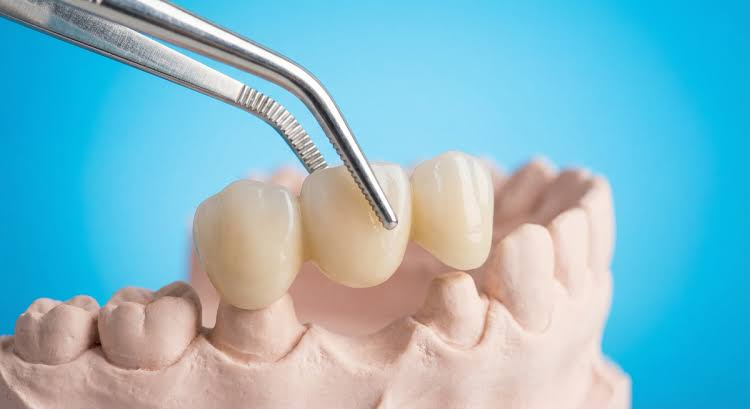
A crown wraps the remaining structure and distributes force across the surface. Patients in North York with deep decay usually gain years from that choice. The tooth stays functional instead of heading toward an eventual extraction. Modern ceramic crowns also match the shade of the neighboring teeth.
After Root Canal Treatment
Back Teeth Need Full Coverage
A treated molar loses moisture and becomes brittle over the following years. Chewing forces on back teeth reach far higher levels than most patients expect. Research shows crowned molars survive far longer than those left uncovered. A build-up under the crown replaces the structure lost to access.
Front Teeth Sometimes Wait
An intact front tooth with a small access hole may need only a filling. Those teeth absorb lighter forces and keep more of the original wall. A dentist in North York Ontario reviews the remaining walls with care.
Cracked and Fractured Teeth
A cracked tooth hurts on release of the bite instead of during pressure. The crack opens under load and closes again the moment the force stops. A filling fails to hold those segments together across thousands of daily cycles.
A crown binds the tooth and stops the crack from spreading any deeper. Timing matters, since a crack that reaches the pulp changes the plan. Patients who wait usually need root canal treatment as well. A cracked tooth rarely improves on its own over time.
Heavy Wear and Old Restorations
Grinding and Acid Erosion
Nightly clenching flattens the biting surfaces over a decade or two. Acid reflux and citrus habits thin the enamel from a different direction. Crowns rebuild the lost height and restore a stable bite position.
Large Fillings That Keep Failing
An old amalgam sitting inside thin walls repeats the same failure cycle. Replacement fillings grow larger with every visit until nothing sound remains. Coverage breaks that cycle and protects the tooth for the long run.
When a Crown Is the Wrong Choice
A conservative onlay covers one or two cusps and preserves more enamel. Modern bonded materials handle moderate damage without a full crown preparation. Any honest clinician mentions those alternatives during the treatment discussion. Onlays cost less and preserve the option of a crown later.
Severe bone loss or a split root removes the crown from consideration. An extraction with an implant serves the patient better in those cases. A practice in North York should explain the reasoning behind every recommendation.
Crowns suit teeth with too little structure to support a simple filling. Deep decay, treated molars, cracks, heavy wear, and failing restorations all qualify. Onlays and implants cover the cases that fall outside those boundaries. The right answer depends on what remains instead of on the price. An examination in North York settles that question within a single visit.