The Small-Business Cash-Flow Routine: A Clear Plan for Bills, Taxes, and Growth
Key Takeaways
- Cash flow tracks when money actually enters and leaves the business, while profit measures what remains after expenses.
- A short weekly review can expose late invoices, approaching bills, and potential shortfalls before they become urgent.
- Separating money for operations, taxes, payroll, reserves, and growth makes decisions clearer.
- A simple forecast that is updated regularly is more valuable than a detailed system that gets ignored.
- Early adjustments can protect cash and reduce the need for rushed borrowing or spending cuts.
For many owners, cash flow is the difference between a business that feels manageable and one that feels unpredictable. A reliable routine starts with clear records, realistic payment expectations, and a practical business banking setup that helps keep company transactions separate from personal spending.
Revenue, profit, and available cash are related, but they are not the same. A business may show a profit on paper while still lacking sufficient cash to cover payroll, rent, supplier payments, or taxes before customer payments arrive.
Why Cash Flow Deserves a Regular Routine
Cash flow is the movement of money into and out of a business. In practical terms, it answers a simple question: Will enough money be available when upcoming obligations are due? A June invoice does not pay June payroll if the client will not pay until July. Reviewing the current bank balance alone can also be misleading because it does not account for bills, tax payments, or recurring charges that have not cleared yet.
A consistent routine turns cash management into an ongoing business habit rather than an emergency task. It gives owners time to follow up on invoices, postpone optional purchases, or adjust plans before a small gap becomes a serious problem.
Step One: Create a Clear Starting Point
Before building a forecast, create a dependable baseline. Gather the information that shows where the business stands today:
- List every business bank account, credit card, payment processor, and source of incoming payments.
- Record the current cash balance in each account.
- Review the previous 60 to 90 days of income and spending.
- Separate one-time purchases from normal monthly costs.
- Note overdue invoices, loan payments, taxes, vendor balances, and unresolved charges.
Clean up mixed or unclear transactions as you go. Label transfers, reimburse personal expenses promptly, save receipts, and avoid leaving transactions in an uncategorized bucket. Clear records make every later decision easier.
Step Two: Map Money Coming In
Sales totals matter, but payment timing matters as much. List expected income by likely arrival date, customer, service line, or sales channel. Then label each item as confirmed, pending, late, or uncertain. A forecast should reflect when money is likely to arrive, not when you hope it will arrive.
Review payment terms and watch for customers who regularly pay slowly. Send invoices quickly after work is completed, make payment instructions easy to follow, and start polite follow-up before an invoice becomes seriously overdue. Deposits, milestone billing, and shorter terms may improve timing for project-based businesses.
Step Three: Map Money Going Out
Next, list expenses according to their due dates. Keep the categories useful rather than overly detailed:
- Fixed costs, including rent, insurance, payroll, software, and utilities.
- Variable costs, including supplies, shipping, advertising, and contractor payments.
- Seasonal costs, such as inventory purchases, busy-season staffing, or event fees.
- Annual renewals, subscriptions, debt payments, tax obligations, and planned equipment purchases.
Look ahead at least 30 days. A business with uneven sales, seasonal demand, or large inventory commitments may benefit from a 90-day or six-month view. Include small recurring charges too, because several overlooked subscriptions can quietly reduce available cash.
read more : Optimizing Hardware Lifecycle Management for Tech Startups
Step Four: Build a Simple Cash-Flow Forecast
A basic spreadsheet or accounting platform can support a useful forecast. The goal is visibility, not a perfect prediction.
- Start with the cash available today.
- Add expected customer payments on their likely payment dates.
- Subtract bills and planned spending on their due dates.
- Mark weeks where the projected balance becomes tight.
- Update the forecast when payments arrive, costs change, or new work is booked.
Starting Cash + Expected Inflows − Expected Outflows = Projected Cash Position.
Use conservative assumptions. If a customer often pays 15 days late, use that pattern in the forecast. A realistic forecast helps you make better decisions than a best-case spreadsheet ever can.
Step Five: Give Every Dollar a Job
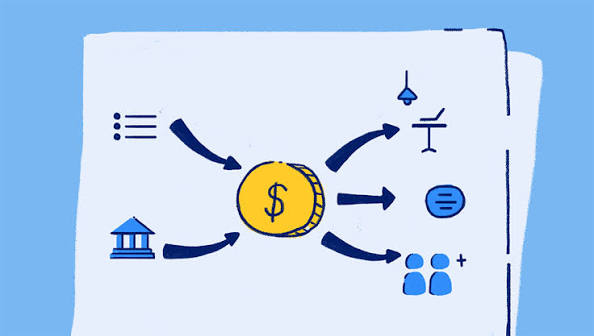
Separate business funds into manageable purposes, such as operating costs, payroll, taxes, emergency reserves, and growth investments. The exact setup depends on the business, but the categories should be easy to maintain and easy to understand.
For example, a freelance designer might immediately allocate part of each client payment to a tax category rather than treating the full deposit as spendable income. This habit makes filing season less stressful and prevents tax money from being used for routine expenses.
Step Six: Set a Weekly Money Review
A 20- to 30-minute weekly review can keep the system current. During that time, check balances, record received payments, follow up on late invoices, scan the next two weeks of bills, compare actual spending with the forecast, and write down one action to complete next week.
Consistency matters more than perfection. A short review completed every week is far more useful than a complex report reviewed only once per quarter.
How to Prepare for Taxes Without a Last-Minute Scramble
Track estimated tax amounts throughout the year, organize receipts and payment records, and set reminders for relevant deadlines. Business tax requirements vary by entity type, location, payroll responsibilities, sales-tax obligations, and income level. The IRS explains that many self-employed people generally need to make estimated tax payments as income is earned.
Review tax reserves during your monthly check-in, especially after a strong sales period. A qualified tax professional can help apply rules to your specific structure and circumstances.
What to Do When a Cash Gap Appears
A projected shortfall is useful information, not a reason to panic. First, confirm the amount and timing of the gap. Then contact customers with overdue balances, delay nonessential spending, ask vendors about payment timing before a bill becomes late, and review whether deposits, pricing, or payment terms need to change. Consider professional advice before taking on new debt.
Common Cash-Flow Mistakes to Avoid
- Treating today’s bank balance as the entire financial plan.
- Counting unpaid invoices as cash already received.
- Forgetting annual renewals, seasonal expenses, and small recurring charges.
- Mixing personal and business purchases.
- Waiting until tax season to organize records.
- Building a forecast that is too complicated to update.
Helpful Tools for a Small Business
A spreadsheet can work well for a new business with a limited number of transactions. As activity grows, accounting software, invoicing tools, calendar reminders, and bookkeeping support can reduce manual work. The best tool is the one that produces current, understandable information and fits the way the owner already works.
Questions to Ask Each Month
- How much cash is available today?
- What payments are expected in the next 30 days?
- Which invoices are late?
- What large expenses are approaching?
- Are costs rising faster than sales?
- Is enough money reserved for taxes and payroll?
- What decision would be easier with better information?
Frequently Asked Questions
How Often Should a Small Business Check Its Cash Flow?
Many businesses benefit from a brief weekly review and a deeper monthly review. Businesses with payroll pressure, rapid sales cycles, or seasonal income may need to check more often.
Is Cash Flow the Same as Profit?
No. Profit measures income after expenses under accounting rules, while cash flow tracks when money actually moves. Both views are important for running a healthy business.
How Far Ahead Should a Business Forecast?
A 30-day forecast supports immediate bill planning. A 90-day forecast provides more time to respond, while highly seasonal businesses may need a six-month outlook.
Conclusion
A strong cash-flow routine does not need to be complicated. It needs to be current, realistic, and repeatable. By tracking payment timing, upcoming costs, tax reserves, and projected balances every week, small-business owners can make calmer decisions and create more room for sustainable growth.