Southlake, Westlake, and Trophy Club: Choosing the Right North Texas Home Base
Key Takeaways
- Southlake, Westlake, and Trophy Club each offer a distinct version of upscale suburban living in North Texas.
- The best fit depends on routines, commuting patterns, home preferences, schools, recreation, and long-term plans.
- Neighborhood-level details, including traffic, lot size, HOA rules, and nearby development, often matter more than a city name alone.
- Visiting at different times of day can reveal whether an area works for everyday life, not just weekend house hunting.
Southlake, Westlake, and Trophy Club are close enough to be part of the same home search, yet different enough that buyers should compare them carefully. Each provides access to the larger Dallas-Fort Worth region, major employment centers, shopping, dining, recreation, and DFW International Airport. For buyers beginning their research, homes for sale in Southlake, TX, can provide a useful starting point for reviewing current listings and property types. Hacker Property Group is a Southlake-based real estate team with a local home-search resource covering Southlake and nearby areas such as Westlake and Trophy Club, making it helpful for households comparing homes, neighborhoods, and lifestyle priorities across this part of DFW.
Why These Three Communities Are Often Compared
All three communities appeal to buyers seeking more space, strong neighborhood character, and practical access to the SH 114 corridor. However, the daily experience can vary considerably. One household may value a lively town center and established amenities, while another may prioritize a quieter setting, a larger homesite, or recreation close to home. The central question is not which community is universally “best.” Which one supports your actual week, including school drop-offs, office travel, airport runs, errands, dinners out, fitness routines, and time outdoors?
Southlake: A Polished Suburban Setting
Southlake can suit buyers who want a refined suburban environment with established neighborhoods, substantial single-family homes, shopping, restaurants, parks, and frequent community activity. Home styles range from older custom properties with mature landscaping to renovated homes and newer construction, so comparing one listing to another is essential. Pay close attention to neighborhood age, lot dimensions, traffic patterns, floor plan updates, and the condition of major systems. Public planning information can also add useful context about growth, infrastructure, and future priorities. The City of Southlake Planning and Development Services page is a practical place to review planning resources, development activity, and public processes before making a decision.

Westlake: Space, Privacy, and Corporate Access
Westlake may be a strong match for buyers seeking privacy, larger homesites, newer development, and a lower-density feel. Its location along the SH 114 corridor can be especially appealing for people whose work or regular travel connects them to nearby corporate campuses, Las Colinas, DFW Airport, or other points across the Metroplex. The trade-off is that many errands require driving, and the retail experience may feel less immediate than in a more traditional town-center setting. Test the route from a specific neighborhood during morning and afternoon traffic.
Trophy Club: Recreation and Master-Planned Convenience
Trophy Club can appeal to buyers who enjoy planned neighborhoods, golf-oriented surroundings, parks, trails, and an active outdoor routine. Community amenities may add meaningful value when used regularly, especially for households that want nearby recreation without having to build every activity into a longer drive. Before making an offer, review the HOA documents carefully. Confirm rules for exterior changes, fences, pools, parking, rental restrictions, amenity access, dues, and maintenance responsibilities. A more structured neighborhood can be convenient, but the rules should fit your lifestyle.
Housing Choices Across the Three Areas
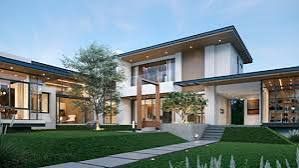
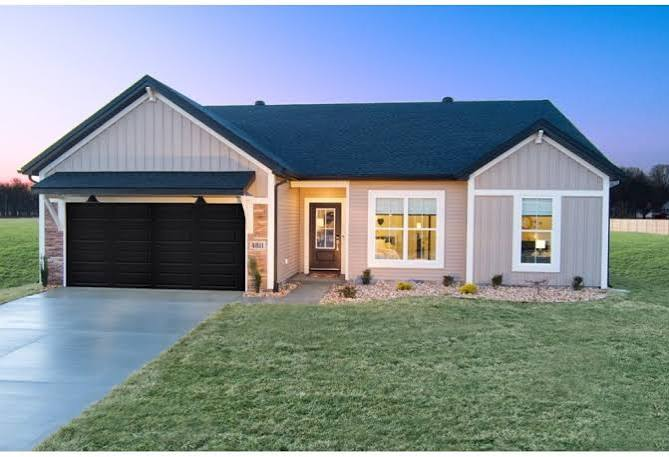
Buyers may encounter established family neighborhoods, custom-built homes, luxury estates, new construction, gated enclaves, and lower-maintenance options in or near these communities. Features such as pools, outdoor kitchens, large yards, and private gates can be attractive, but they also affect maintenance, insurance, utilities, and future renovation costs. Rather than comparing only square footage, assess how each home functions. A smaller, updated property near everyday conveniences may work better than a larger home with an inconvenient drive, limited storage, or a layout that does not support remote work or changing household needs.
How to Compare the Communities Step by Step
- List non-negotiables: Identify bedroom count, office space, lot size, school preferences, accessibility needs, and a comfortable monthly budget.
- Map the weekly routine: Measure travel times to work, childcare, medical appointments, airports, groceries, and favorite activities.
- Compare total ownership costs: Include taxes, insurance, HOA dues, utilities, landscaping, pool care, and likely repairs.
- Visit at different times: Drive through on a weekday morning, weekday evening, and weekend to observe traffic, noise, and activity.
- Study the surroundings: Look at sidewalks, drainage, nearby roads, vacant parcels, construction activity, and park access.
- Think five years ahead: Consider resale appeal, household changes, possible renovations, and evolving work arrangements.
Questions to Ask Before Choosing a Community
- Does this location make a normal weekday easier or harder?
- Will the home still work if family size or work routines change?
- Are preferred amenities close enough to use often?
- What costs come with the neighborhood beyond the purchase price?
- Are roads, commercial projects, or new housing planned nearby?
Common Questions About Choosing a DFW Home Base
Which Community Is Best for Families?
The answer depends on school preferences, desired home layout, commute needs, activities, and neighborhood atmosphere. A family should compare the specific home and neighborhood rather than rely solely on a citywide reputation.
Which Area Offers the Most Privacy?
Privacy can depend on lot size, mature trees, setbacks, street layout, gates, and adjacent development. Westlake may offer a more spacious feel in some areas, while Southlake and Trophy Club also include neighborhoods with private settings.
Which Community Is Best for Frequent Travelers?
Access to DFW International Airport and SH 114 matters, but mileage alone does not tell the full story. Test the actual route at the times you are most likely to travel.
Should Buyers Focus on the City or the Neighborhood?
The neighborhood often matters more. Two homes in the same city can have very different traffic exposure, HOA requirements, amenities, drainage conditions, and resale considerations.
Conclusion: Match the Community to the Routine
Southlake, Westlake, and Trophy Club each offer compelling advantages, but the right choice depends on how you plan to live every day. The strongest option is not necessarily the largest home or the most dramatic entrance. Instead, it is the community and property that align with your schedule, budget, privacy preferences, recreation habits, and long-term goals. Compare commute times, neighborhood amenities, schools, property maintenance, homeowners association requirements, and future resale potential before making a decision. Visiting each community at different times can also provide a better sense of traffic, atmosphere, and daily convenience. Taking the time to evaluate the complete ownership experience will help you choose a home that remains comfortable, practical, and valuable for years to come.