How to Know It’s Time to Replace Your Roof
Most homeowners never spare a thought for their roof. Not once, until water’s pooling on the kitchen floor and panic sets in. By then? Months of slow rot have already worked through framing you’d never spot from the yard. Mold. Moisture. Structural damage hiding behind drywall. Catching the warning signs before all that happens is what separates a manageable renovation from a financial gut-punch. So here’s what actually matters.
1. Your Roof Has Reached the End of Its Expected Lifespan
Asphalt shingles hold up roughly 15 to 20 years under decent conditions. Climate, installation quality, maintenance history; all of it nudges that number up or down. Push past the window and replacement is probably coming regardless of how the surface looks. Dig out your home inspection records or original construction paperwork and nail down the exact age. Sun, wild temperature swings, relentless rain; these chew through roofing materials faster than most people expect. The surface might look fine. Underneath, the underlayment and deck could be quietly failing already. Waiting for a full collapse just turns a planned expense into a frantic one.
2. Shingles Are Curling, Cracking, or Missing Entirely
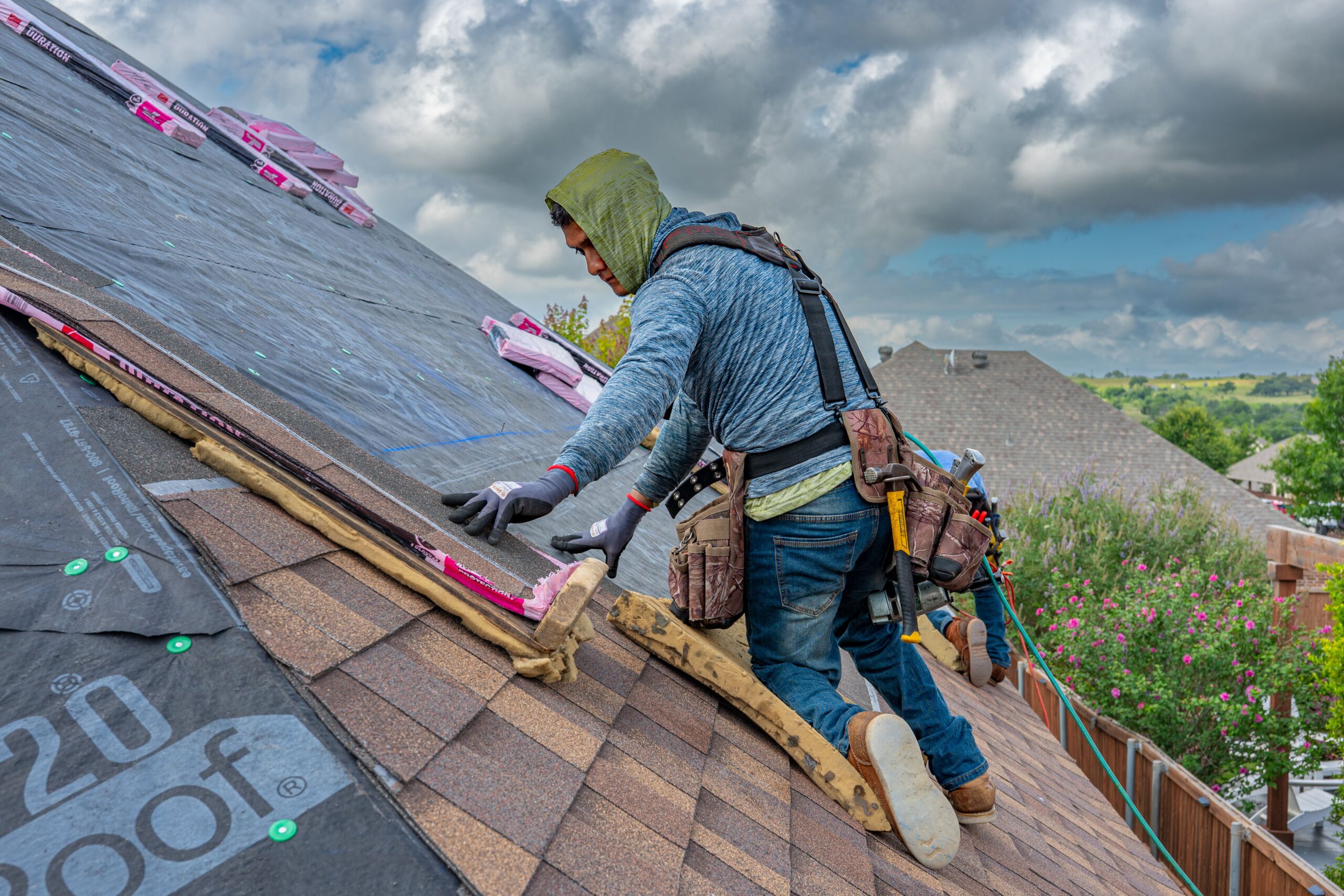
Curled edges and cracked surfaces aren’t cosmetic problems. They mean shingles have lost their ability to channel water away, and once they split or lift, moisture gets underneath and starts attacking the layers below. Missing shingles are worse. Even a few scattered across an otherwise intact roof can route water straight into the structure. Binoculars from the yard catch a lot; a professional inspection catches the rest. Damage spread across multiple sections, not one isolated patch, signals broad deterioration. At that stage, roof replacement beats endless spot repairs on a system that’s already circling the drain.
3. You Notice Granule Loss in Gutters and Downspouts
Those tiny granules coating asphalt shingles aren’t decorative. They block UV radiation and shield raw asphalt from direct weather exposure. As shingles age, granules loosen and rinse into gutters, collecting as dark, gritty sediment at the bottom. Finding them in quantity is a reliable sign the shingles are burning through their protective layer. Hail, heavy rain, and temperature extremes all stress the adhesive holding granules in place, speeding the whole process up. Once stripped away, the asphalt underneath degrades fast. If you’re scooping granule deposits out of gutters every few months, don’t shrug it off. Get someone up there to assess what’s left.
4. Your Home Is Experiencing Interior Water Damage or Leaks
Ceiling stains. Peeling paint. Dark discoloration creeping along a wall. These aren’t aesthetic issues; they’re evidence. Water is getting through somewhere. Localized leaks around chimneys, vents, or roof valleys can sometimes be patched. But staining across multiple rooms tells a completely different story: systemic failure. Even old, dried stains matter; previous intrusion may have already seeded mold inside wall cavities or the attic. Mold remediation is expensive. Genuinely hazardous, too, once it takes hold. And if the same spots have already been patched two or three times? Stop patching. Full replacement is the smarter spend at that point.
5. The Roof Sags or Shows Visible Signs of Structural Issues
A sagging roofline isn’t a “monitor it and see” situation. Not even close. It means the deck or supporting structure beneath has been compromised by rot, water damage, weight, pests, or some ugly combination of all four. Step back. Look at the roofline against open sky. Any dip or wave where a clean straight line should run is a problem, full stop. This kind of deformation accelerates once it starts. Patching won’t fix it; replacement is the only real answer. And it needs to happen quickly, before structural damage cascades into something far more dangerous. Treat it as urgent. Because it is.
Conclusion
Age catches up with every roof eventually. So does damage. Curling shingles, granule buildup in gutters, water stains spreading across ceilings, a roofline starting to dip; none of these show up randomly. Together, or even on their own, they signal that repairs no longer make financial sense. Schedule a professional inspection the moment something seems off. A qualified contractor can tell you exactly where things stand and how much runway you have left. Act early and you stay in control. Wait too long, and the roof makes the decision for you.