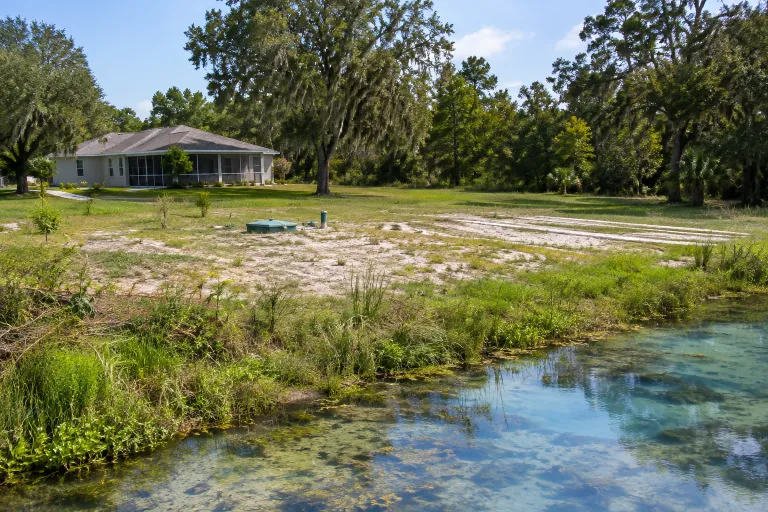
How Home Wastewater Choices Shape Florida’s Springs
Key Takeaways
- Household wastewater can carry nitrogen into Florida’s groundwater and nearby waterways.
- Excess nitrogen can contribute to algae growth and water-quality problems.
- Conventional septic systems treat wastewater, but additional treatment may be needed to reduce nitrogen.
- Florida septic requirements can vary by property location, watershed, lot size, and sewer availability.
- Maintenance remains essential for both conventional and advanced onsite wastewater systems.
In Florida, wastewater decisions made at individual homes can have effects beyond the property line. Because groundwater, springs, rivers, lagoons, and coastal waters are closely connected in many parts of the state, homeowners may need to consider how wastewater is treated before it enters the soil. A nitrogen-reducing septic system is an option designed to limit the amount of nitrogen leaving an on-site wastewater system in locations where enhanced treatment is appropriate or required.
This is not only a question for homes near a famous spring or shoreline. Sandy soils, seasonal rainfall, shallow groundwater, and the number of septic systems within a watershed can all affect how nutrients move through the local environment. Understanding the basics can help property owners make more informed decisions about repairs, replacements, new construction, and routine maintenance.
Why Nitrogen Matters in Florida
Nitrogen is a natural nutrient, but too much of it in a water body can disrupt the balance of an aquatic ecosystem. Elevated nutrient levels may encourage algal growth, reduce water clarity, and create conditions that stress fish, plants, and other aquatic life. Septic systems are only one potential source. Fertilizer, stormwater, agricultural activity, wastewater facilities, and animal waste can also add nitrogen to a watershed.
How Septic Systems Treat Wastewater
A typical onsite system begins when wastewater from toilets, sinks, showers, and appliances enters a septic tank. Heavier solids settle to the bottom, lighter materials float, and naturally occurring bacteria begin breaking down some organic matter. The liquid portion then moves to a drain field or another approved treatment and dispersal area, where soil provides further treatment before water continues through the landscape.
How Nitrogen Reaches Groundwater
Conventional treatment is designed to separate solids, treat wastewater, and disperse effluent safely when a system is properly sized, installed, and maintained. It is not necessarily designed to achieve a specific nitrogen-reduction target. Local soil conditions, rainfall, groundwater depth, and the distance to nearby surface water can influence how effectively the surrounding environment provides additional treatment.
Wastewater planning also matters for properties that serve employees, guests, tenants, or customers. A site using a commercial septic system may have different wastewater flows and design considerations than a single-family home, making an accurate assessment of anticipated use especially important.
How Advanced Treatment Can Help
Advanced onsite treatment is not one single technology. It is a broad term for systems that add treatment steps beyond a conventional tank-and-drain-field arrangement. Depending on the approved design, these systems may use biological treatment chambers, aeration, timed dosing, recirculation, filters, media, or denitrification processes to convert nitrogen into forms less likely to move through groundwater.
Performance depends on more than the equipment name. A system must fit the property’s wastewater volume, soil characteristics, available space, water-table conditions, setbacks, electrical needs, and maintenance requirements. Pumps, aerators, alarms, and controls can play an important role in certain designs, so homeowners should understand what happens if power is interrupted and how to handle an alarm.
Florida Rules and Watershed Plans
Florida requirements are location-specific. State rules identify certain impacted areas where enhanced nutrient-reducing onsite treatment may be required for new systems, particularly where water-quality restoration plans are in place. The state’s enhanced nutrient-reducing onsite sewage guidance explains how requirements can apply in Basin Management Action Plan areas, springs protection areas, and portions of the Indian River Lagoon region.
Permitting questions should be answered before construction or replacement work begins. A repair may not be treated the same as a complete replacement, and sewer availability can affect a property’s options. County health departments, local environmental offices, and the relevant state permitting authority can help identify the rules that apply to a specific parcel.
A Homeowner Checklist
- Find existing records. Gather permits, site plans, inspection reports, pumping receipts, and repair history.
- Confirm the watershed. Determine whether the property is within an area with nutrient-reduction requirements.
- Ask about sewer access. Availability of central sewer can affect the permitted path forward.
- Review site conditions. Soil, groundwater, lot layout, and required setbacks influence system design.
- Consider full ownership costs. Include permitting, installation, electricity, inspections, pumping, and scheduled service.
- Keep written documentation. Organized records can be useful during repairs, refinancing, insurance discussions, or a future sale.
Maintenance That Supports Performance
Advanced treatment does not eliminate the need for care. Tanks still need to be pumped when solids reach the appropriate level, and mechanical components need inspections in accordance with the approved system plan. Homeowners can also protect performance by spreading out heavy water use, keeping grease and wipes out of drains, avoiding the disposal of harsh chemicals, and keeping vehicles, structures, and deep-rooted plants away from the drain field.
Slow drains, sewage odors, wet areas near the treatment field, activated alarms, and backups should be addressed promptly. Waiting can increase the chance of property damage and can interfere with the system’s ability to treat wastewater as intended.
Questions to Ask Before a Change
For a New or Replacement System
- What treatment level is required at this location?
- Which approved designs fit the site and expected wastewater flow?
- Will the system require electricity, alarms, or backup planning?
- What inspection and maintenance schedule applies after installation?
For an Existing System
- Is the system failing, undersized, damaged, or affected by changing household use?
- Can any existing components remain in service?
- Will the planned work require a new permit or upgraded treatment?
- Are local financial-assistance programs available for qualifying upgrades?
Local examples show why parcel-level research matters. In 2026, new septic requirements in parts of Alachua County reflected different standards for areas connected to the Silver, Santa Fe, and Orange Creek basins.
Small Decisions Can Protect Shared Water
Wastewater management is both a property issue and a community issue in Florida. Reviewing records, confirming local requirements, maintaining existing equipment, and seeking site-specific guidance before choosing an upgrade can help homeowners protect their investment while supporting healthier groundwater and waterways.