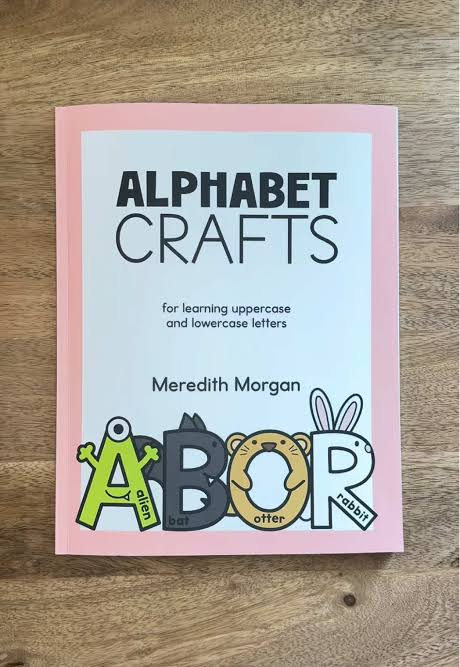
Cute Lowercase Alphabet Styles for Notes and Crafts
Creative lettering can turn simple notes, school projects, journals, and handmade crafts into something more personal and attractive. Many people enjoy experimenting with rounded lowercase letters because their soft curves create a friendly and playful look. You do not need professional drawing skills to try cute alphabet styles, as basic pens, markers, pencils, and a little practice can produce beautiful results.
Lowercase lettering works especially well for crafts because the letters often feel softer and more relaxed than capital letters. You can use different shapes, outlines, shadows, colors, and decorations to create a style that matches your project.
Why Cute Lowercase Letters Are Popular
Cute lowercase alphabets have become popular in journaling, note-taking, scrapbooking, card making, and classroom projects. Their small size makes them easy to fit into headings, labels, captions, and decorative spaces.
These styles also give you plenty of creative freedom. You can make letters thick and bubbly, thin and elegant, tall and narrow, or short and wide. Even a small change in shape can completely change the appearance of your handwriting.
Students often use decorative lowercase letters to make study notes more enjoyable. Crafters can use them for handmade gifts, posters, birthday cards, labels, and personalized decorations.
Rounded and Soft Alphabet Styles
A rounded alphabet style uses smooth curves instead of sharp corners. Letters such as “a,” “b,” “d,” “g,” and “o” naturally work well with this technique because they already contain circular shapes.
Start by writing each letter slightly larger than your normal handwriting. Keep the curves smooth and avoid pressing your pencil too hard. Once you like the basic shape, trace it with a pen or marker.
You can also make the strokes thicker to create a softer appearance. Adding small highlights inside thick letters can make them look even more playful.
Bubble-Style Lowercase Letters
Bubble lettering is one of the easiest ways to create a cute alphabet. Instead of writing a letter with one thin line, draw a thick outline around its basic shape.
For example, write a simple lowercase “a” lightly with a pencil. Then draw a rounded border around the original line. Erase the guide mark after finishing the outline, and you will have a clean bubble-style letter.
You can fill the inside with bright colors, patterns, dots, stars, or tiny hearts. Bubble letters work especially well for craft titles, greeting cards, notebook covers, and colorful posters.
Small and Neat Lowercase Writing
Not every cute alphabet needs large decorative shapes. Small and neat lowercase handwriting can also create a charming appearance.
Keep each letter close to the same height and maintain equal spacing between words. Letters like “m,” “n,” “u,” and “w” should have smooth and consistent curves.
This style works well for planners and study notes because it remains easy to read. You can use a black pen for the main writing and pastel markers for headings or important words.
Add Shadows for a 3D Effect
Shadows can transform simple lowercase letters into eye-catching designs. First, write your alphabet using thick, clean strokes. Next, imagine that light is coming from one side of the page.
Add a small dark line to the opposite side of every letter. Keep the shadow direction consistent across the entire word or heading.
For a softer look, use a light gray or pastel shade instead of black. This technique adds depth without making your lettering difficult to read.
Use Colors and Patterns
Color plays an important role in cute lettering. Instead of filling every letter with one shade, experiment with different combinations.
You can create a simple gradient by using a darker shade at the bottom and a lighter shade at the top. Another option is to divide letters into small sections and fill them with different colors.
Patterns can make your alphabet even more creative. Try adding dots, stripes, flowers, stars, checks, or tiny shapes inside larger lowercase letters.
Keep the decorations simple when using lettering in study notes. Too many patterns can make important information harder to read.
Cute Lowercase Letters for Study Notes
Decorative lettering can help organize notebooks and study pages. Use one alphabet style for major headings and a simpler version for smaller subheadings.
For example, you might use bubble letters for chapter titles and neat rounded writing for key terms. This creates a clear visual structure without covering the page with unnecessary decoration.
Highlighters can also help separate different topics. Choose a few shades and use them consistently throughout your notes.
Lowercase Lettering for Handmade Crafts
Handmade crafts provide plenty of opportunities to experiment with cute alphabet styles. You can create personalized birthday cards, gift tags, bookmarks, wall decorations, scrapbook pages, and party signs.
Thicker letters usually work better for large craft projects because they remain visible from a distance. Smaller projects, such as gift tags and journal cards, often look better with simple and neat lettering.
You can also cut lowercase letters from colored paper or cardboard. Layering different colors behind each letter creates an easy shadow effect and makes the design stand out.
Adding Tiny Decorative Details
Small details can make ordinary letters look much more interesting. Try placing tiny hearts inside letters such as “o,” “a,” or “d.” You can also add stars around headings or small flowers near the ends of words.
Another idea is to turn letter dots into decorative shapes. The dot above a lowercase “i” or “j” can become a heart, flower, star, or small circle.
Avoid adding decoration to every letter. A few carefully placed details usually create a cleaner and more attractive design.
Practice Your Own Alphabet Style
The best way to improve creative lettering is through regular practice. Draw the lowercase alphabet from “a” to “z” and notice which letters feel difficult.
Practice those letters several times while experimenting with their height, width, curves, and thickness. You can also create an alphabet practice sheet and try several versions of each character.
Do not worry about making every letter perfect. Handmade lettering often looks appealing because of its small natural differences.
Final Thoughts
Cute lowercase alphabet styles can make everyday notes and handmade projects feel more creative and personal. From simple rounded writing to colorful bubble designs, you can experiment with many techniques using supplies you probably already have at home.
Practice smooth curves, consistent spacing, shadows, patterns, and simple decorations until you develop a style you enjoy. You can also explore bubble-letters.net for lettering inspiration while creating journal headings, craft signs, cards, and decorative alphabets. With regular practice and a little creativity, even basic lowercase handwriting can become an attractive part of your notes and crafts.