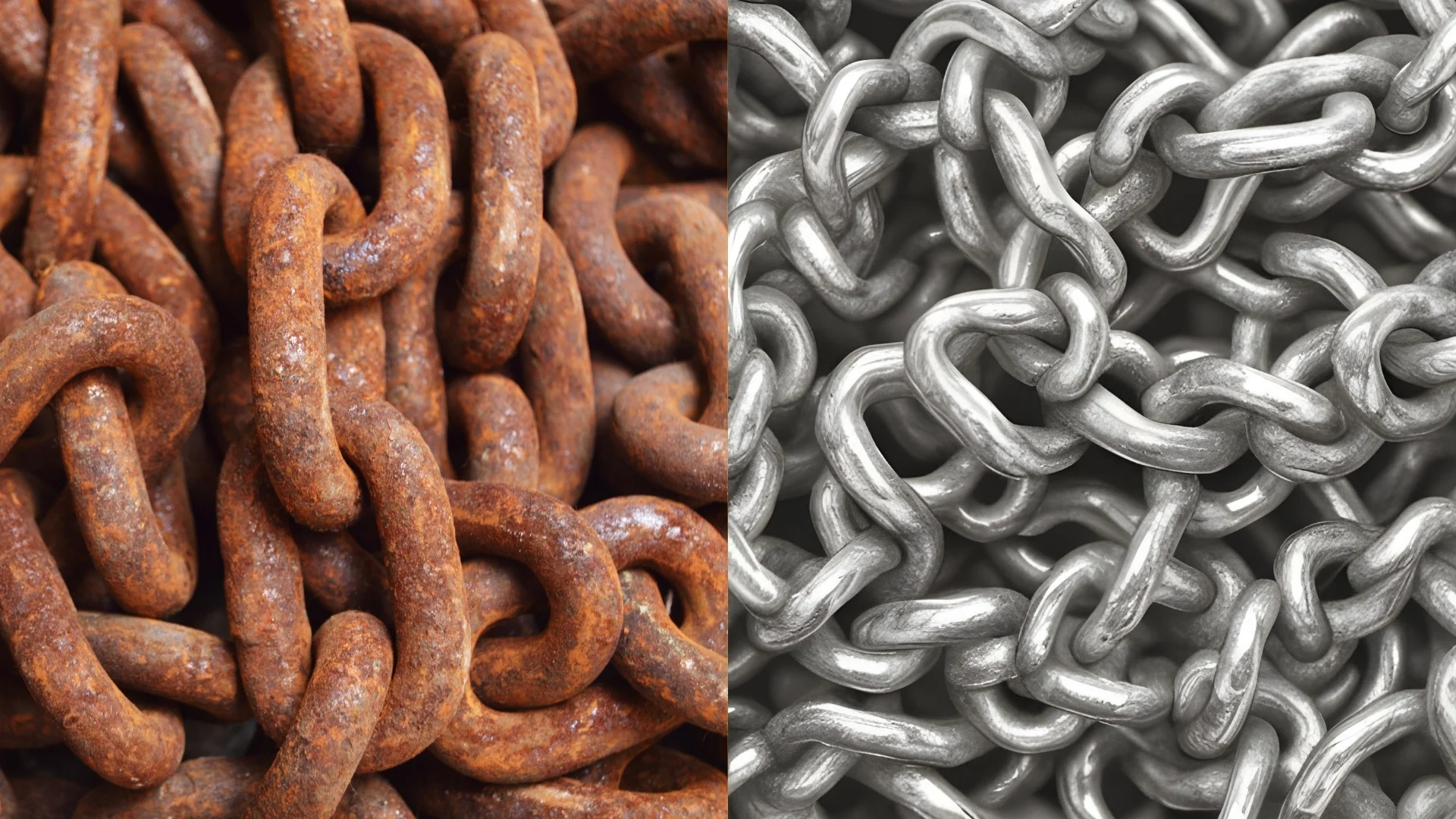
Corrosion-Resistant Metals in Engineering: Ensuring Durability and Longevity
Key Takeaways
- Corrosion-resistant metals are fundamental to engineering projects that demand durability.
- There are several types widely used, each suited to specific operational environments.
- Recent technological advances are unlocking even greater protection from corrosion.
- Evaluating all factors, from environmental exposure to cost and fabrication, is crucial for optimal material selection.
Modern engineering relies on selecting materials that can withstand demanding environments and last over time. Among these choices, corrosion-resistant metals stand out as essential for constructing long-lasting structures and components. Their unique properties help engineers address the challenges of exposure to moisture, chemicals, and temperature fluctuations. For those seeking high-quality options, exploring specific grades like https://www.specialtysteel.com/product/316-316l-stainless-steel-turned-ground-polished/ can make a significant difference in performance.
The role these metals play in industries such as construction, automotive, marine, and medical devices is indispensable. Not only do these alloys resist rust and degradation, but they also help cut costs associated with repairs and replacements. Keeping up-to-date with recent research and market offerings remains crucial for engineers and decision makers when specifying materials for critical applications.
Understanding Corrosion and Its Impact
Corrosion is a natural process where metals deteriorate due to reactions with their surrounding environment, most commonly through oxidation. This persistent issue results in the gradual weakening and breakdown of vital infrastructure. Corrosion can lead to safety incidents, environmental damage, and substantial financial losses. In the United States alone, annual corrosion-related costs exceed $276 billion, underscoring its economic significance and the need for robust solutions.
Understanding the mechanisms behind corrosion allows engineers to tailor solutions that directly address the roots of material degradation. For example, the presence of saltwater in marine applications or the use of harsh chemicals in industrial settings can accelerate wear unless proper materials are chosen for these environments.
When identifying which metal to use, engineers consult comprehensive guides and standards. Resource publications, such as the NACE Corrosion Basics by the Association for Materials Protection and Performance (AMPP), provide foundational knowledge and up-to-date recommendations.
Common Corrosion-Resistant Metals
Several metal alloys are engineered or naturally occur with resistance to corrosive forces. Their chemical compositions determine how they protect themselves and their respective strengths. The most notable options include:
- Stainless Steel: With a chromium content of at least 10.5 percent, stainless steel forms a passive chromium oxide film, effectively shielding against air and moisture-induced corrosion.
- Aluminum: Known for its lightweight and resistance, it spontaneously develops a tough oxide layer, which acts as a barrier in both atmospheric and marine environments.
- Copper Alloys: Bronze and brass, for example, offer exceptional resistance to corrosion. These alloys are widely used in electrical and plumbing systems because the surface quickly forms a protective patina.
- Titanium: Highly regarded in aeronautical, chemical processing, and marine sectors, titanium’s surface is protected by a spontaneous, stable oxide film that resists even aggressive agents like chlorine and seawater.
Applications in Engineering
The diverse qualities of corrosion-resistant metals translate into broad applications across engineering fields:
- Construction: Metals such as stainless steel and aluminum are popular in external cladding, roofing, and structural supports, ensuring buildings resist environmental wear over decades.
- Automotive: Modern vehicles rely on such metals for exhaust system components and body parts. These industries demand resistance against road salts, wet conditions, and heat exposure.
- Marine: The marine sector values metals that withstand salt-laden atmospheres. Corrosion-resistant metals are vital in shipbuilding, offshore platforms, and port infrastructure.
- Medical: Strict hygiene and performance standards in healthcare make corrosion-resistant alloys, such as those used in implants and surgical instruments, indispensable due to both durability and biocompatibility.
Advancements in Corrosion-Resistant Materials
Recent innovations in metallurgy have produced alloys with unprecedented resistance to harsh conditions. Researchers from the University of Hong Kong have created a new type of “super steel” that incorporates a dual-layer protection mechanism, allowing it to endure the intense settings needed for green hydrogen production from seawater. This breakthrough could enable manufacturers to replace expensive titanium with more affordable, high-performing materials in next-generation hydrogen systems. Details of this development were reported in ScienceDaily.
Factors Influencing Material Selection
Material selection is a multidimensional process. Engineers weigh several considerations to select the right alloy for each project, such as:
- Environmental Conditions: The level and type of exposure to water, chemicals, and atmospheric gases are studied to project potential degradation risks.
- Mechanical Properties: Requirements for strength, formability, and resistance to fatigue must align with the specifications of the final application.
- Cost: While performance is paramount, projects operate within budgets. Choices must balance durability with economic feasibility.
- Fabrication: Compatibility with manufacturing processes can make certain metals preferable, given ease of welding, cutting, or forming.
Maintenance and Longevity
Proactive upkeep is an important companion to initial material selection. Regular inspections reveal early signs of corrosion, helping to prevent system failure. Practices such as applying protective coatings or cathodic protection can extend service lives. Timely repairs are essential for maintaining assets in demanding sectors, reducing the lifecycle cost of infrastructure significantly.
Conclusion
Corrosion-resistant metals remain at the heart of engineering durable structures and reliable products. As new materials and technologies become available, engineers must continually update their knowledge to meet evolving standards of performance and safety. Considering all aspects of material selection, combined with best maintenance practices, ensures long-term value and operational excellence in every project.