Collision Repair: Restoring Vehicles After Accidents
Collision repair is an essential part of the automotive industry that focuses on restoring vehicles after accidents. Whether it’s a minor dent or major structural damage, collision repair ensures that a vehicle is safe, functional, and visually restored. In today’s fast-paced world, accidents can happen unexpectedly, making professional collision repair services an important resource for drivers everywhere.
What Is Collision Repair?
Collision repair refers to the process of fixing damage caused to a vehicle due to accidents or impacts. This type of repair goes beyond simple cosmetic fixes—it often involves restoring structural integrity, replacing damaged parts, and ensuring that the vehicle meets safety standards.
Unlike regular maintenance, collision repair deals specifically with accident-related damage, which can affect both the exterior and internal systems of a vehicle.
Common Causes of Vehicle Collisions
Vehicle collisions occur for many reasons, often related to human error or environmental conditions. Some of the most common causes include:
Distracted Driving
Using mobile phones, eating, or adjusting in-car systems while driving can lead to accidents.
Speeding
Driving above the speed limit reduces reaction time and increases the severity of collisions.
Tailgating
Following too closely can result in rear-end accidents when traffic suddenly stops.
Weather Conditions
Rain, fog, and slippery roads can reduce visibility and control.
Driver Fatigue
Tired drivers are more likely to make mistakes and react slowly.
Types of Damage Repaired in Collision Repair
Collision repair shops handle a wide variety of damage types, including:
Body Damage
Dents, scratches, and crushed panels are common after minor and major accidents.
Frame Damage
Severe impacts can bend or misalign a vehicle’s frame, affecting safety and performance.
Paint Damage
Scratches and chipped paint require refinishing to restore appearance and prevent rust.
Glass Damage
Broken windshields or windows must be replaced for safety and visibility.
Mechanical and Sensor Damage
Modern vehicles include sensors and electronic systems that may be damaged in a crash.
The Collision Repair Process
Professional collision repair follows a structured process to ensure quality and safety:
1. Vehicle Inspection
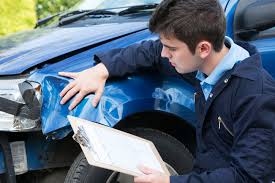
Technicians carefully assess both visible and hidden damage using diagnostic tools.
2. Repair Estimate
A detailed estimate is prepared, outlining parts, labor, and repair timelines.
3. Disassembly
Damaged areas are removed to inspect underlying structural issues.
4. Structural Repair
If the frame is damaged, specialized equipment is used to restore factory alignment.
5. Body Repair or Replacement
Damaged parts are repaired or replaced depending on severity.
6. Painting and Refinishing
Advanced paint-matching technology ensures a seamless finish.
7. Reassembly and Quality Check
The vehicle is reassembled and tested for safety, performance, and appearance.
Why Collision Repair Is Important
Some drivers delay repairs after an accident, especially when the damage appears minor. However, professional collision repair is crucial for several reasons:
Safety
Even small accidents can affect airbags, sensors, steering, and structural integrity.
Vehicle Performance
Proper alignment and repairs ensure smooth driving and fuel efficiency.
Resale Value
A well-repaired vehicle maintains higher market value compared to poorly repaired ones.
Legal and Insurance Requirements
Insurance companies often require professional repair documentation for claims.
Role of Insurance in Collision Repair
Insurance plays a major role in covering collision repair costs. Most repair shops work directly with insurance companies to streamline the process.
The typical process includes:
- Filing an insurance claim
- Damage assessment by technicians
- Approval of repair estimate
- Payment or reimbursement for repairs
Many repair centers also assist customers with insurance paperwork, making the process easier and faster.
Modern Technology in Collision Repair
Today’s collision repair industry uses advanced technology to improve accuracy and efficiency. Some of these include:
Computerized Frame Alignment
Ensures vehicles are restored to exact factory specifications.
Digital Paint Matching
Helps match paint colors precisely for seamless repairs.
Diagnostic Scanning Tools
Detect hidden damage in sensors and electronic systems.
Advanced Welding Equipment
Allows precise and durable structural repairs.
These technologies ensure high-quality repairs that meet modern safety standards.
Choosing the Right Collision Repair Shop
Selecting a reliable repair shop is important for ensuring quality results. Key factors to consider include:
Experience and Certification
Certified technicians are trained to handle complex repairs.
Customer Reviews
Positive feedback indicates reliable service and customer satisfaction.
Warranty on Repairs
Reputable shops offer warranties on parts and labor.
Transparent Estimates
Clear pricing helps avoid hidden costs or surprises.
Insurance Assistance
Shops that work with insurance providers make the process smoother.
Final Thoughts
Collision repair is a vital service that helps restore vehicles after accidents and ensures they are safe to drive again. From minor dents to major structural damage, professional repair shops use skilled technicians and advanced technology to bring vehicles back to their original condition.
Timely collision repair not only improves safety but also protects vehicle value and performance. Choosing a trusted repair service ensures peace of mind and helps drivers get back on the road with confidence after an accident.