Best Practices in Hotel Website Design for Increased Bookings
Key Takeaways
- Minimalism in design brings clarity and elegance while reducing distractions for users.
- Showcasing high-quality, authentic visuals helps build trust and sets expectations.
- Responsive design is crucial for a seamless booking experience on all devices.
- Strong calls-to-action are essential for maximizing conversions and guiding users through the process.
- A fast website ensures a positive experience and keeps guests from bouncing to competitors.
In today’s fast-evolving hospitality industry, the design and performance of your website can make or break the first impression for prospective guests. With fierce competition online, following established best practices in hotel website design is essential not only for delivering a memorable experience but also for driving direct bookings that support your business’s bottom line.
A modern hotel website should do more than look attractive. It needs to communicate trust, facilitate an easy booking process, and respond seamlessly to the needs of today’s digital-savvy travelers. By incorporating design principles that put user experience at the forefront, hotels can maximize engagement and ensure visitors turn into happy guests.
Understanding these elements is vital for hotels seeking to establish credibility online. Your website serves as a digital front desk, setting the tone for the guest experience even before check-in. By optimizing for user needs and meeting modern expectations, your property stands out in a crowded digital landscape.
As consumer expectations rise, continually evaluating your site’s design and performance ensures you stay ahead of both the competition and evolving technology. Failing to adapt can lead to lost revenue and reduced brand reputation, as today’s guests expect seamless interactions when deciding where to stay.
Embrace Minimalist Design
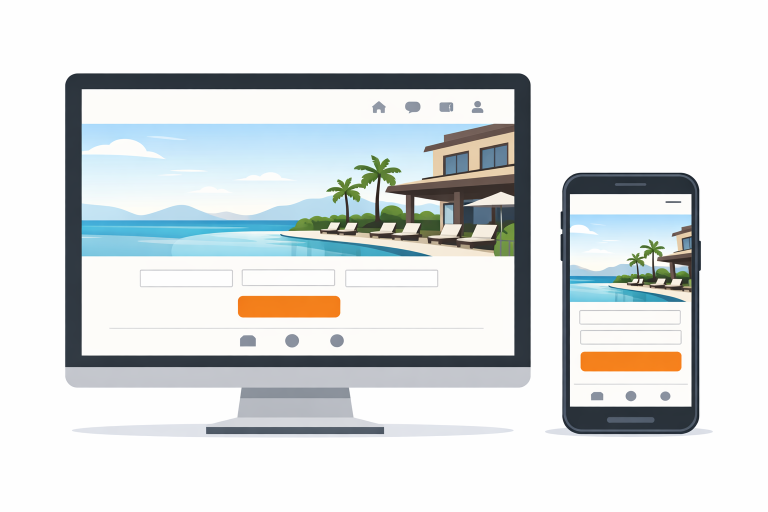
Minimalist design is more than a trend. It’s a strategy that puts your property’s best features center stage. By using spacious layouts and streamlined navigation, a minimalist approach helps retain guest attention and highlights what makes your hotel unique. Reducing clutter not only simplifies the interface but also ensures information and booking pathways remain easily accessible. Minimalist design also lends an air of sophistication and modernity, appealing to a broad demographic of travelers.
Utilize High-Quality Visuals
A hotel’s website should inspire confidence and desire, and nothing does this more effectively than professional images and videos. Authentic, high-resolution photography brings your property to life by accurately representing rooms, amenities, and the overall guest experience. Effective use of visuals also helps set realistic expectations, minimizing potential guest dissatisfaction and increasing the likelihood of positive reviews. According to Cloudbeds, visual content is often the deciding factor as travelers compare multiple properties.
Ensure Mobile Responsiveness
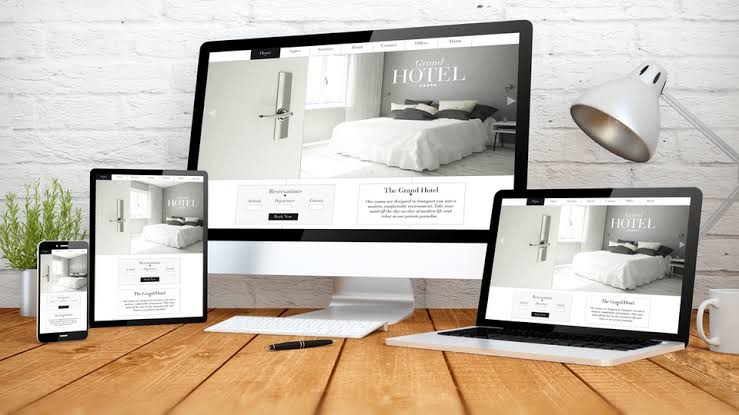
Today’s travelers use their mobile devices for every stage of travel, from research to booking and beyond. If your hotel website is not optimized for mobile, you risk losing potential guests to competitors with more accessible online experiences. Responsive web design adapts layouts to fit different screen sizes and input methods. Key elements such as thumb-friendly menus, easy-to-read text, and an accessible booking engine are crucial for keeping users engaged, regardless of the device they use.
Implement Clear Calls-to-Action
Successful hotel websites make it obvious what visitors should do next. Strategic placement of calls-to-action, such as “Book Now” or “Check Availability,” guides users through the conversion funnel and dramatically increases the odds of direct booking. These CTAs should be visually distinctive, consistently designed, and repeated throughout key areas of the website for maximum effectiveness. Ensuring they are accessible and actionable on every page keeps the momentum moving in the right direction.
Optimize Website Speed
Load times significantly impact bounce rates and guest satisfaction. A slow website frustrates users and casts doubt on your overall professionalism. By optimizing images, using clean code, and limiting auto-playing media or bulky sliders, you’ll ensure your site loads quickly. Research from Cloudflare highlights how website delays as short as a few seconds can drive users away, underscoring the importance of speed in user retention and satisfaction.
Incorporate Social Proof
Displaying guest reviews, ratings, and testimonials near booking CTAs can build trust and reassure potential guests. Prominently show recent, genuine feedback to provide real-world validation of your hotel’s claims. If your property has won awards or gained recognition from reputable sources, feature these as well to further establish credibility and encourage users to book with confidence.
Ensure Accessibility and Inclusive Design
Inclusive design ensures that your hotel’s website is usable by everyone, including people with disabilities. Incorporating sufficient color contrast, clear typography, keyboard functionality, and alternative text for images are all essential steps. Accessibility not only expands your potential audience but also demonstrates respect for all guests. Compliance with web accessibility standards is increasingly required by law in many regions and reflects a commitment to superior service.
Conclusion
Applying best practices in hotel website design enhances usability, trust, and direct bookings. Focus on minimalism, authentic visuals, mobile responsiveness, strong CTAs, fast performance, meaningful social proof, and accessibility. This holistic approach ensures your website remains a powerful and persuasive platform that helps your property stand out and thrive in the digital age.