Are Modern Hand Dryers a Hygienic Choice for Public Restrooms?
Key Takeaways
- Modern hand dryers can blow bacteria and viruses from the air in restrooms onto users’ hands, raising hygiene concerns.
- Studies often find paper towels more effective at reducing microbial contamination than traditional hand dryers.
- Innovations such as cold plasma technology aim to improve the hygiene and safety of hand dryer use.
Hand hygiene remains one of the most fundamental defenses against the spread of illness. In public restrooms, while proper handwashing is non-negotiable, how hands are dried also significantly influences personal and community health. Increasingly, facilities are turning to options such as the U-flow hand dryer to achieve both environmental and hygiene benefits. As technology evolves, the debate intensifies over whether to use modern hand dryers or paper towels.
Understanding the science behind each method, including the role of air in spreading microbes, is essential for facility managers and restroom users alike. Technological innovation is introducing features that promise to address past hygiene concerns, but do these advances hold up under scrutiny? As more public restrooms transition to air-powered drying systems, an objective assessment of their impact on hygiene is timely and necessary.
The Hygiene Debate: Hand Dryers vs. Paper Towels
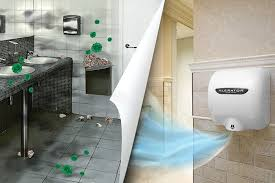
Numerous research studies have cast doubt on the hygiene of hand dryers in public spaces. When hands are dried with air, airflow can carry microbes from the surroundings and deposit them back onto freshly washed skin. In one notable study, researchers demonstrated that hand dryers can disperse bacteria across restroom surfaces, onto users’ clothing, and even into the paths of bystanders. This effect contrasts with the results achieved with paper towels, where frictional drying actively removes residual microbes from the skin.
Organizations like the Centers for Disease Control and Prevention cite disposable paper towels as the most reliable hand-drying option in medical settings due to their combination of speed and effectiveness in removing bacteria. This aligns with the view that friction is vital when optimizing hand hygiene.
Public Perception and Safety Concerns
The COVID-19 pandemic dramatically heightened public awareness of germ transmission through shared surfaces and the air. Recent surveys indicate that nearly 80 percent of Americans are more cautious about restroom hygiene now than before the pandemic. Furthermore, one-third of those surveyed reported feeling unsafe when entering a restroom equipped only with air-based dryers. Such statistics point to a clear discomfort with air drying, particularly where hygiene is of utmost concern.
This heightened focus on sanitation has prompted businesses and institutions to reevaluate restroom design and cleaning protocols. For many users, the presence of a hand dryer can signal either a commitment to sustainability or, conversely, a potential lapse in stringent hygiene measures. Ongoing communication and signage can help reassure patrons about the technology being used, particularly if it incorporates newer hygiene-enhancing features such as HEPA filtration or antimicrobial coatings. Transparency about cleaning schedules and the specific hand-drying methods in use can alleviate apprehension, further improving overall restroom satisfaction and safety.
Technological Advancements: Cold Plasma Hand Dryers
To rebuild trust in touchless drying, manufacturers are adopting advanced solutions, such as cold plasma technology, which neutralizes germs by electrically charging air particles as they pass through the dryer. Laboratory tests indicate up to 99.99% of germs are eliminated. Although still gaining popularity, cold plasma dryers have the potential to set new hygiene standards and mitigate airborne bacterial issues observed in earlier models. Some dryers incorporate UV-C light or HEPA filters to sanitize the air, helping reduce contamination and airborne risks, particularly in sensitive environments. While the upfront costs are high, these features may prove cost-effective over time as they become more common and reliable.
Environmental Considerations
Environmental sustainability is another crucial factor in the hand-drying debate. Although paper towels are hygienic, they come with high environmental costs, including deforestation, high production demands, and landfill contributions. In contrast, hand dryers are marketed as eco-friendly alternatives because they generate less ongoing waste. However, these environmental advantages must always be measured against potential hygiene trade-offs.
It is also important to consider the life cycle impacts of hand-drying systems. While hand dryers generally reduce solid waste, their environmental benefits depend on factors such as energy efficiency and the source of the electricity used. Renewable energy sources can make electric drying more sustainable, while using recycled paper towels can also help offset environmental harm. Facilities pursuing green certifications, such as LEED or Green Seal, may seek to integrate these nuanced factors into their restroom design, aiming for an optimal blend of hygiene, sustainability, and user experience.
Recommendations for Facility Managers
Facility managers must carefully weigh the dual imperatives of user safety and environmental stewardship. When hygiene is a top priority, advanced hand dryers with active antimicrobial technologies can help close the gap between hand dryers and paper towels. Investing in multisolution restroom setups that offer both drying options empowers users to choose based on their comfort levels. Such options also enhance accessibility, ensuring that facilities are inclusive and responsive to public health concerns.
Regular maintenance and prompt repair of hand-drying equipment are another crucial factor for hygiene. Even advanced dryers lose their effectiveness if filters are not replaced or if the units are poorly maintained. Providing clear instructions for proper handwashing and drying can further reinforce best practices. Facility managers should also remain attentive to user feedback, as shifting public expectations will often influence which technologies and protocols are considered acceptable or desirable in restrooms.
Conclusion
Effective restroom hygiene relies not only on hand washing but also on proper drying methods. While traditional hand dryers can pose hygiene risks, newer innovations such as cold plasma technology are offering better solutions. Environmental considerations also play a role, requiring a balance between health safety and sustainability. Facility managers should stay up to date on emerging technologies and user feedback to select the best drying options. A combined approach, using electric dryers for eco-friendliness and paper towels for infection prevention, provides a comprehensive solution that enhances safety and environmental responsibility.