The Texas Titan: Reimagining the Industrial Gaze in 2026
In the early morning light of the Brazos Valley, a drone hovers three hundred feet above a sprawling sea of steel. Below it, the Samsung semiconductor campus in Taylor—now a gargantuan reality of the 2026 landscape—looks less like a factory and more like a circuit board etched into the Texas soil. But the photographer at the controls isn’t looking for a “clean” corporate shot. They are waiting for the exact moment the sun hits the nitrogen tanks, creating a lens flare that bleeds into the shadows of the cleanroom scaffolding.
This is the new era of industrial photography in Texas. In 2026, the industry has shed its sterile, brochures-and-blueprints skin. The “Texas Shine” isn’t about polishing out the grit; it’s about capturing the cinematic soul of a state that is currently the world’s most ambitious construction site.
I. The Death of the Sterile: The Rise of “Cinematic Realism”
For decades, industrial photography followed a rigid script: high-key lighting, perfectly clean floors, and workers frozen in unnaturally stiff poses. It was “perfection” that felt plastic.
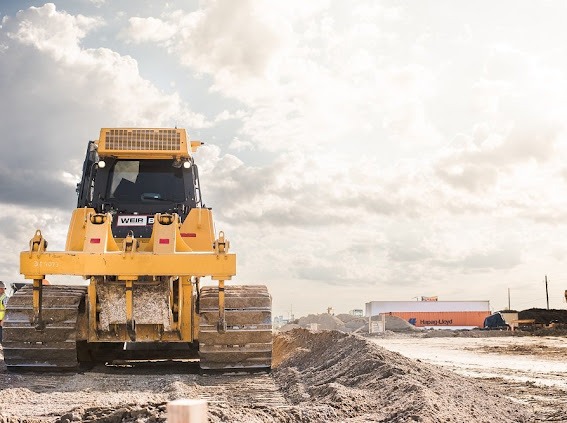
By 2026, the pendulum has swung violently toward Cinematic Realism. Influenced by the visual language of prestige streaming television and the high-contrast aesthetics of modern cinema, Texas photographers are treating oil rigs in the Permian Basin and aerospace hangars in Brownsville like film sets.
“We don’t want the ‘lab coat’ look anymore,” says Sarah Vance, a leading industrial photographer based in Houston. “Clients in 2026 want to see the heat shimmer. They want to see the sparks from a welder not just as a light source, but as a story of friction and creation. We aren’t just documenting assets; we are building a mythology.”
This shift is driven by a broader cultural craving for authenticity. In an age of AI-generated “perfect” images, the industrial sector has realized that its greatest visual asset is its tangibility. The rough texture of weather-beaten pipelines, the organized chaos of a logistics hub in Fort Worth, and the massive scale of the new “Hydrogen Highway” infrastructure are things that digital ghosts cannot replicate.
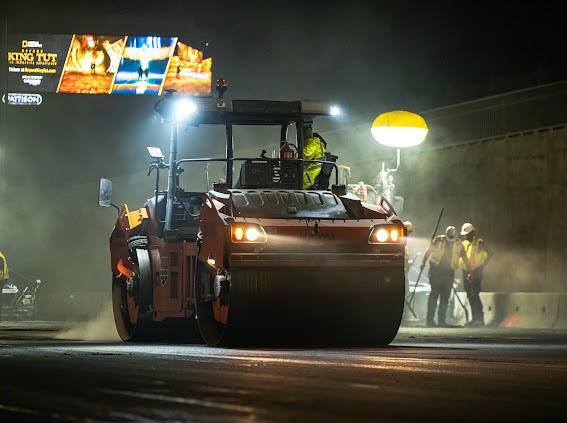
II. The Megaprojects as Muses: Taylor, Sherman, and Beyond
Texas is currently home to the “Industrial Big Three”—sectors that have provided photographers with unprecedented scale.
- The Semiconductor Renaissance: Between the Samsung Taylor campus and the Texas Instruments expansion in Sherman, North Texas has become a playground for architectural photography. The visual challenge here is the “Invisibly Small vs. Impossibly Large.” Photographers are using macro lenses to capture the microscopic architecture of the chips, juxtaposed against wide-angle shots of the cleanrooms that span millions of square feet.
- The Space Coast 2.0: In Boca Chica, the Starship program has turned South Texas into a sci-fi landscape. Industrial photography here has merged with “Astro-Industrialism.” The 2026 shots of Starbase aren’t just about rockets; they are about the massive liquid oxygen farms and the “Mechazilla” launch tower—structures that redefine the Texas skyline.
- The Energy Transition: As the Gulf Coast pivots toward carbon capture and green hydrogen, the photography is following. The America First Refining Facility in Brownsville and the new modular nuclear projects are being shot with a focus on “Sustainable Grandeur.” There is a newfound beauty in the symmetry of solar arrays and the futuristic curves of carbon-scrubbing towers.
III. The Tech Behind the Lens: 2026’s Toolkit
While the vibe is vintage and raw, the tools are cutting-edge.
- Computational Lighting: Photographers are no longer lugging massive strobe kits into hazardous zones. Instead, they are using AI-assisted ambient light mapping, which allows them to “sculpt” the existing light of a factory floor in post-production to create a chiaroscuro effect without interrupting the production line.
- The Drone Swarm: By 2026, drone photography has evolved from a single bird’s-eye view to coordinated “swarms.” This allows for simultaneous multi-angle captures of a single event—like the first pour of a foundation—creating a 3D visual narrative that can be explored in VR.
- Film Emulation and Hybrid Workflows: Paradoxically, as digital sensors hit 150 megapixels, there is a massive trend toward “Film Hybrid” workflows. Photographers are using digital backs but applying sophisticated grain and color-grading profiles that mimic 1970s Kodak stock. It gives the high-tech industries of Texas a sense of timelessness and “soul.
IV. Making “Industry” Human: The 2026 Workforce
The most significant change in 2026 is how people are portrayed. The “staged worker” is dead. In its place is the Documentary Portrait.
Photography now celebrates the diversity and specialized skill of the Texas workforce. Whether it’s a technician at a nanotechnology lab in Lubbock or a logistics coordinator at an Amazon “Project Maverick” site in Cleburne, the focus is on the “Intensity of Focus.” These are character-rich faces, often captured in candid moments of problem-solving or rest.
“We look for the ‘human-machine interface,'” Vance explains. “The way a hand rests on a control panel, or the reflection of a monitor in a worker’s visor. That’s where the industry shines—not in the machines themselves, but in the people who keep them breathing.”
V. The Economic Impact of the Image
Why does this matter? In 2026, the competition for industrial talent is at an all-time high. Texas industries are using high-end photography as a recruitment tool. A “boring” company looks like a “boring” place to work. A company that looks like a scene from a Christopher Nolan film, however, attracts the next generation of engineers.
Industrial photography has become the front line of “Industrial Branding.” As Texas leads the U.S. in industrial development—taking three of the top ten spots for industrial pipeline growth—the image is the primary currency of trust.
Conclusion: The New Frontier
Industrial photography in Texas in 2026 is no longer a niche service; it is a vital art form documenting the most significant physical expansion in American history. By embracing imperfection, scale, and cinematic storytelling, photographers are making the heavy industries of the Lone Star State do something they haven’t done in decades: they are making them look like the future.
As the sun sets over the Odessa oil fields, turning the pump jacks into silhouettes against a neon-orange sky, the click of the shutter captures more than just a machine. It captures a moment in time where Texas—through its industries and the lenses that document them—is truly making the world shine.