Best Practices for Efficient Water Heater Use at Home
Key Takeaways
- Lowering your water heater’s thermostat reduces energy consumption and prevents scalding.
- Choosing cold water cycles for laundry significantly cuts energy use.
- Inspecting and fixing leaks conserves both water and energy.
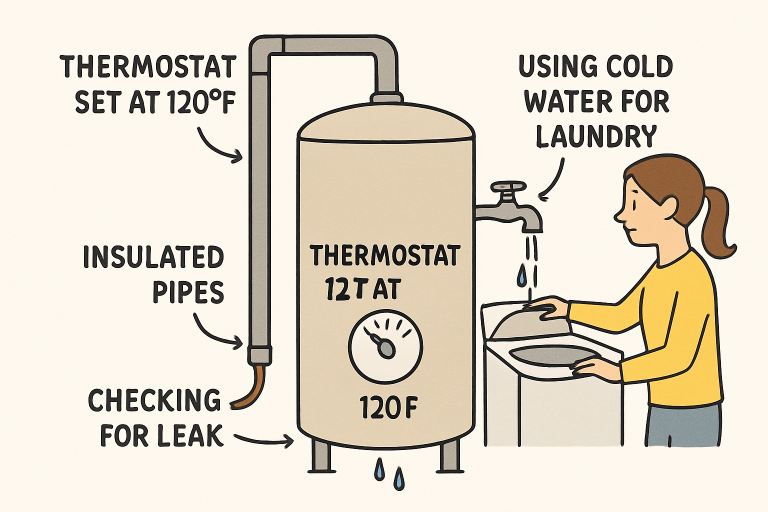
- Insulating hot water pipes keeps water warmer and minimizes heater workload.
- Modern appliances, such as heat pump and tankless water heaters, provide superior efficiency and savings.
Improving the efficiency of your water heater at home is one of the most straightforward ways to save on energy bills and reduce your carbon footprint. Whether you have a standard tank system or have considered an on-demand water heater installation in Ruston, knowing the most effective usage and maintenance techniques leads to lower costs, safer operation, and long-term peace of mind.
Efficient water heating is about more than just turning down the temperature. It’s a combination of smart habits, routine maintenance, and being aware of the latest technological solutions. By following a few best practices, you can keep your household comfortable and safe while also contributing to broader sustainability efforts.
Many of these best practices not only save energy but also extend the life of your water heater. As new efficiency standards and rebates become available, informed homeowners can benefit from upgraded appliances and smarter water use. With a little planning and routine attention, even older systems can run more efficiently and economically.
Adjust the Thermostat Setting
How Temperature Impacts Efficiency and Safety
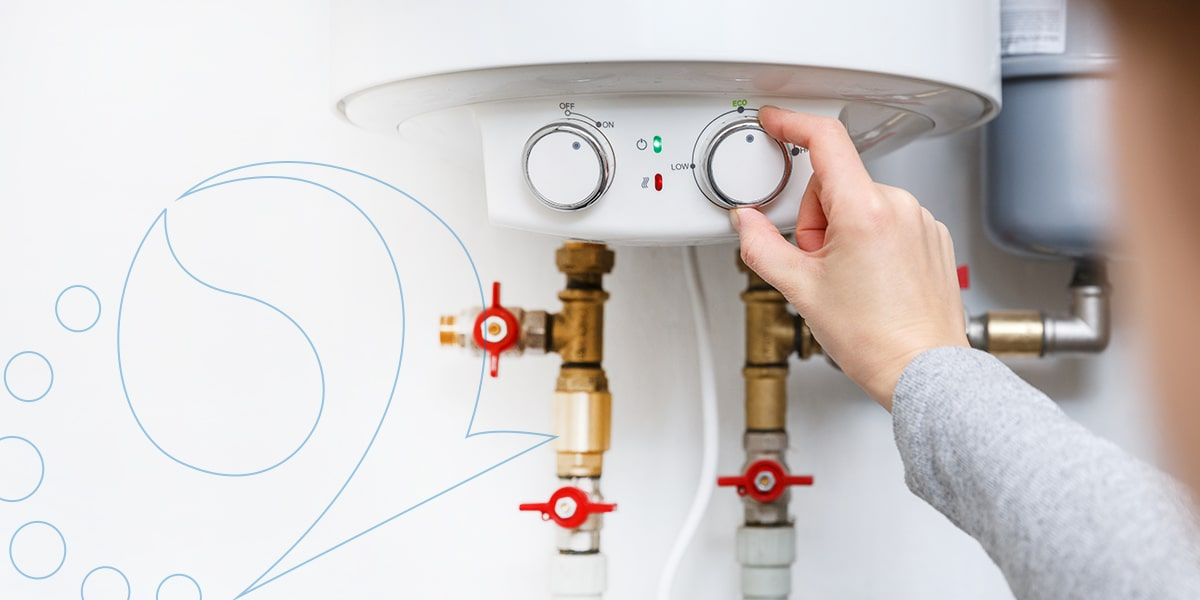
The standard recommendation for your water heater’s thermostat is 120 degrees Fahrenheit. Setting your thermostat at this temperature minimizes unnecessary energy use while still providing water hot enough for everyday needs. It also significantly lowers the risk of accidental burns, particularly important for children and seniors at home. For insight into the safety and savings of water heaters, you can review this resource from the U.S. Department of Energy.
Opt for Cold Water in Laundry
Reducing Hot Water Usage in Everyday Chores
A large portion of residential hot water often goes toward laundry. Most modern detergents are formulated to be effective in cold water, making it possible to wash most loads without turning on the water heater. By making this simple switch, you could see up to a 75 percent reduction in energy for each load, helping you save money while also being gentler on your clothes.
Regularly Inspect for Leaks
Why Leak Detection Is Critical
Even a slow drip from a hot water tap or pipe can waste substantial amounts of water and energy. Regularly check fixtures, visible pipes, and any plumbing connected to your water heater. Early detection and repair of leaks not only curbs unnecessary loss but also protects your home from costly water damage over time.
Insulate Hot Water Pipes
Prevent Heat Loss in The Plumbing Network
Uninsulated or poorly insulated hot water pipes allow heat to escape before the water reaches your faucet, especially in the first six feet from your heater. Wrapping these pipes with foam insulation, available at most hardware stores, will keep water hot longer, so your heater does not have to work as hard. Pipe insulation is easy to install and pays for itself quickly in energy savings.
Upgrade to Energy-Efficient Appliances
Evaluating Your Options
Switching to a modern, energy-efficient water heater such as a heat pump model can offer long-term savings of nearly 70 percent compared to conventional electric units. Additionally, tax incentives are available for qualifying upgrades until December 31, 2025, including a federal tax credit of up to $2,000 or 30 percent of the installed cost of a new heat pump water heater, making this an ideal time to consider a replacement. For more on available rebates, see this overview at Tom’s Guide.
Utilize Smart Water Heater Controllers
Remote Management for Greater Savings
Smart water heater controllers are compact devices that sync with your smartphone or home automation system, allowing you to schedule heating cycles and receive maintenance reminders. By optimizing heating only when you actually need hot water, these tools keep energy consumption in check and make it easier to catch potential problems before they become expensive.
Consider Tankless Water Heaters
A Solution for On-Demand Hot Water
Tankless water heaters eliminate standby heat loss, since they only heat water when it is needed. This approach is especially useful for households with varying water demands, and it saves space because there is no bulky tank to house. As efficiency standards increase, tankless systems are becoming more affordable and easier to install as a replacement for traditional tanks.
Stay Informed About Efficiency Standards
The Importance of Keeping Up to Date
The U.S. Department of Energy finalized new standards that will require all residential water heaters sold starting in 2029 to meet higher efficiency requirements, potentially saving households $7.6 billion per year. Homeowners should monitor developments in governmental standards and rebates to ensure their appliances stay up to date and compliant, as this can affect both long-term savings and resale value.
By implementing these best practices, you can maximize the efficiency and performance of your water heater, whether you own a traditional tank-style system or are exploring newer technologies. Lower bills, increased safety, and environmental stewardship are just some of the benefits awaiting households that use hot water responsibly and attentively.