Why Interactive Entertainment Is Winning Over Passive Viewing
Audiences today are more eager than ever to engage actively with content, not just passively observe. This behavioral shift has been brewing for a while but reached its boiling point with smartphones and infinite scroll feeds. Viewers grew accustomed to platforms that required them to do something right then, whether it be reacting to comments on Facebook Live, voting on Triller Polls, or playing and interacting with others in a multiplayer lobby. Passive consumption isn’t gone, but the real-time capabilities of digital platforms have conditioned audiences to expect participation in their entertainment.
The Appeal of Choice
Television and movie viewers were trained for years to sit on a schedule and watch whatever came to them. Cable companies and broadcast studios had all the leverage because, quite frankly, there was no other way to distribute content at such a large scale. Digital services eventually changed all that by enabling users to watch content wherever they wanted. In addition to on-demand catalogs, live programming started popping up, like concerts you could watch or streams where people commented and reacted together in real-time.
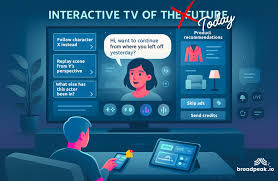
Today’s audiences expect to participate, not just observe. The growing popularity of live casino game shows highlights how digital platforms are merging broadcast-style presentation with real-time audience involvement. Fast forward to today, and streaming platforms have adopted these micro interactive tools to captivate audiences. Live chats, real time voting, on screen prompts, etc allow viewers to act and feel empowered while consuming content. Many of these concepts are borrowed from social networks and gaming. Both verticals have thrived off of instant gratification and community. Entertainment is now catching up by utilizing the same psychological rewards of immediacy, reward and community while interacting with content at scale.
The Role of Community in Interactive Entertainment
I’d be remiss not to mention the community aspect of interactive entertainment. Going to the movies or watching TV was once a group activity you participated in with friends and family. Live streams and gaming integrate those social elements for audiences at scale. Chatting with strangers, integrated scoring systems, and reacting to events as a community encourage users to tune in together.
Conclusion
What’s next for interactive entertainment? Who knows, but the opportunities for consumer engagement are endless. Virtual reality, augmented reality, user-generated content, deeper game integration… the list goes on. What will remain constant is people’s desire to consume content that reacts to them. And for creators looking to capitalize on these trends on platforms like Tadable, that means thinking about content as an experience rather than a product. Interactive entertainment is here to stay because it puts the power in the user’s hands. Literally. The platform that thrives will be the one that empowers its users to engage, not just watch.