How Samsung SSDs Support Fast Computing and Storage
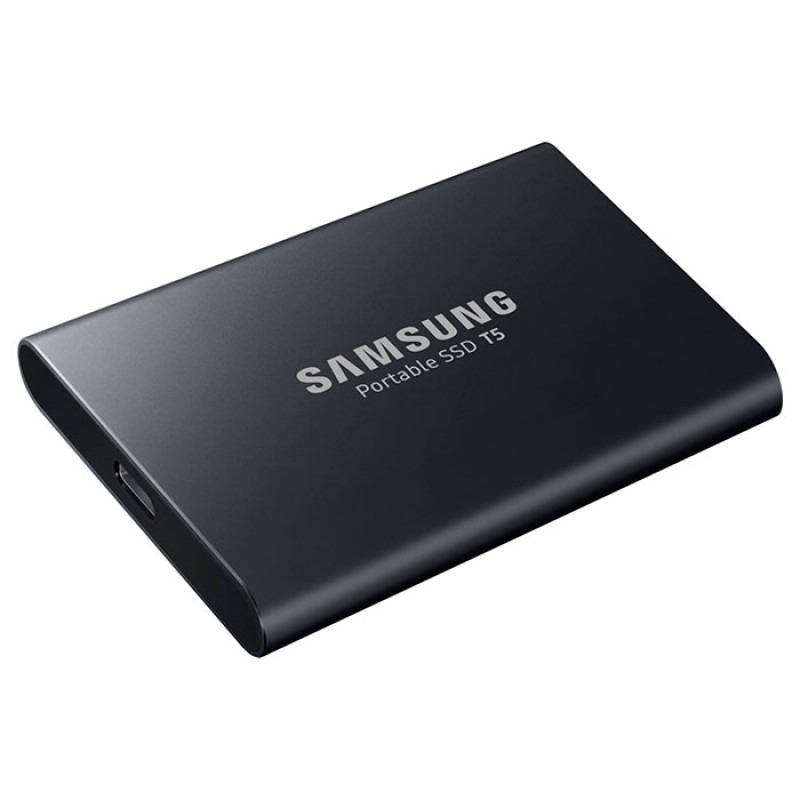
Speed has become one of the most critical elements in modern computing. From enterprise data centers and creative studios to everyday business systems, users expect applications to load instantly and data to move without delay.
As workloads grow heavier and more complex, storage performance plays a decisive role in overall system efficiency. This is where solid-state drives have transformed computing, and Samsung SSDs continue to stand out as a trusted solution for fast, reliable storage.
Rather than focusing only on headline speed numbers, Samsung has built its SSD technology around real-world performance. The goal is to support smooth computing experiences, reduce bottlenecks, and help systems keep pace with evolving demands.
The Growing Importance of Fast Storage
Modern systems process far more data than ever before. Cloud platforms, virtualization, analytics tools, and content creation workflows all rely on quick access to information. When storage cannot keep up, even powerful processors struggle to deliver expected results.
Traditional hard drives are limited by mechanical components, which slow down data access. SSDs remove those limitations, enabling near-instant retrieval of files and applications. Samsung’s approach to SSD design focuses on maximizing this advantage while maintaining consistency and reliability.
Built for Consistent Performance Under Load
Fast storage is not only about peak speeds during short tasks. In real environments, systems often handle sustained workloads for hours or even days. Performance drops during these periods can impact productivity and system stability.
Samsung SSDs are engineered to deliver consistent performance even when handling continuous read and write operations. This reliability is especially valuable in professional and enterprise environments where performance fluctuations can disrupt workflows. By maintaining steady speeds, systems remain responsive during multitasking and high-demand scenarios.
Hardware and Software Working Together
One of Samsung’s key strengths is its vertically integrated design philosophy. By developing controllers, firmware, and flash memory in-house, Samsung ensures that each component works seamlessly with the others.
This close integration allows for smarter data handling, reduced latency, and improved endurance. Instead of relying on generic designs, Samsung fine-tunes every layer of the SSD. The result is storage that feels faster and more dependable during everyday use, not just in benchmarks.
Improving System Responsiveness
For many users, the most noticeable benefit of upgrading to SSD storage is system responsiveness. Faster boot times, quicker application launches, and smoother file transfers all contribute to a better computing experience.
Systems equipped with Samsung Solid State Drives feel more fluid and efficient. Tasks that once caused delays become nearly instantaneous, helping users stay focused and productive. This responsiveness makes SSD upgrades one of the most impactful improvements for both new and existing systems.
Supporting Data-Intensive Workloads
Not all workloads place the same demands on storage. Some environments require handling large datasets, frequent transactions, or constant data access. Examples include databases, virtualization platforms, and analytics systems.
Samsung SSDs are designed to support these data-intensive workloads without performance degradation. High input/output capabilities allow multiple applications to access data simultaneously, reducing bottlenecks. This makes Samsung storage a practical choice for organizations that depend on fast and reliable data processing.
Reliability That Protects Valuable Data
Performance alone is not enough if storage cannot be trusted over time. Data integrity and drive longevity are essential considerations, particularly for business and enterprise users.
Samsung SSDs are known for their durability and advanced reliability features. Error correction technologies, wear-leveling algorithms, and rigorous testing help protect data and extend drive lifespan. This reliability reduces the risk of unexpected failures and helps organizations avoid costly downtime.
Energy Efficiency and Thermal Control
As computing power increases, energy consumption and heat management become important concerns. Efficient storage contributes to lower power usage and improved thermal stability across systems.
Samsung SSDs deliver high performance while consuming less power than traditional storage solutions. Efficient power management helps systems run cooler, which benefits both data centers and compact workstations. Lower energy consumption also supports sustainability goals, an increasingly important factor in IT decision-making.
Seamless Integration Across Platforms
Another advantage of Samsung SSDs is their broad compatibility. They integrate smoothly with desktops, laptops, servers, and enterprise infrastructure. This flexibility simplifies upgrades and deployments across different environments.
Organizations can enhance performance without redesigning their entire infrastructure. By upgrading storage, systems gain immediate speed improvements while maintaining existing workflows. This ease of integration makes Samsung SSDs appealing to buyers seeking impactful upgrades with minimal disruption.
Enhancing Productivity Across Use Cases
The benefits of fast storage extend across industries. Creative professionals experience faster project loading and smoother editing. Businesses see improved application responsiveness and reduced wait times. IT teams benefit from quicker backups and more efficient system management.
Samsung SSDs help transform storage into a productivity tool rather than a limitation. These everyday performance gains often have a greater impact than raw technical specifications, influencing buyer decisions in practical ways.
Preparing Systems for Future Demands
Data growth shows no signs of slowing down. As applications become more advanced and datasets expand, storage must be ready to support future requirements.
Samsung SSDs are designed with scalability and modern interfaces in mind. This future-ready approach helps protect investments by ensuring storage solutions remain relevant as systems evolve. Buyers gain confidence knowing their infrastructure can adapt to new demands without frequent replacements.
Turning Storage Into a Strategic Advantage
Fast computing depends on more than powerful processors and large memory pools. Storage performance plays an equally important role in determining how smoothly systems operate.
By combining speed, consistency, reliability, and efficiency, Samsung SSDs help turn storage into a strategic advantage. They enable systems to operate at their full potential, supporting both current workloads and future growth.
Moving Forward With Smarter Storage Choices
Choosing the right storage solution is a critical decision that affects performance, costs, and long-term scalability. Samsung SSDs offer a balanced approach that supports fast computing while maintaining reliability and efficiency.
For organizations and professionals exploring dependable storage options, Cloud Ninjas provides access to trusted Samsung SSDs along with knowledgeable support. Working with an experienced provider can help ensure storage investments deliver lasting value and performance improvements without unnecessary complexity.