DIY Home Maintenance: Which Jobs Should You Do Yourself?
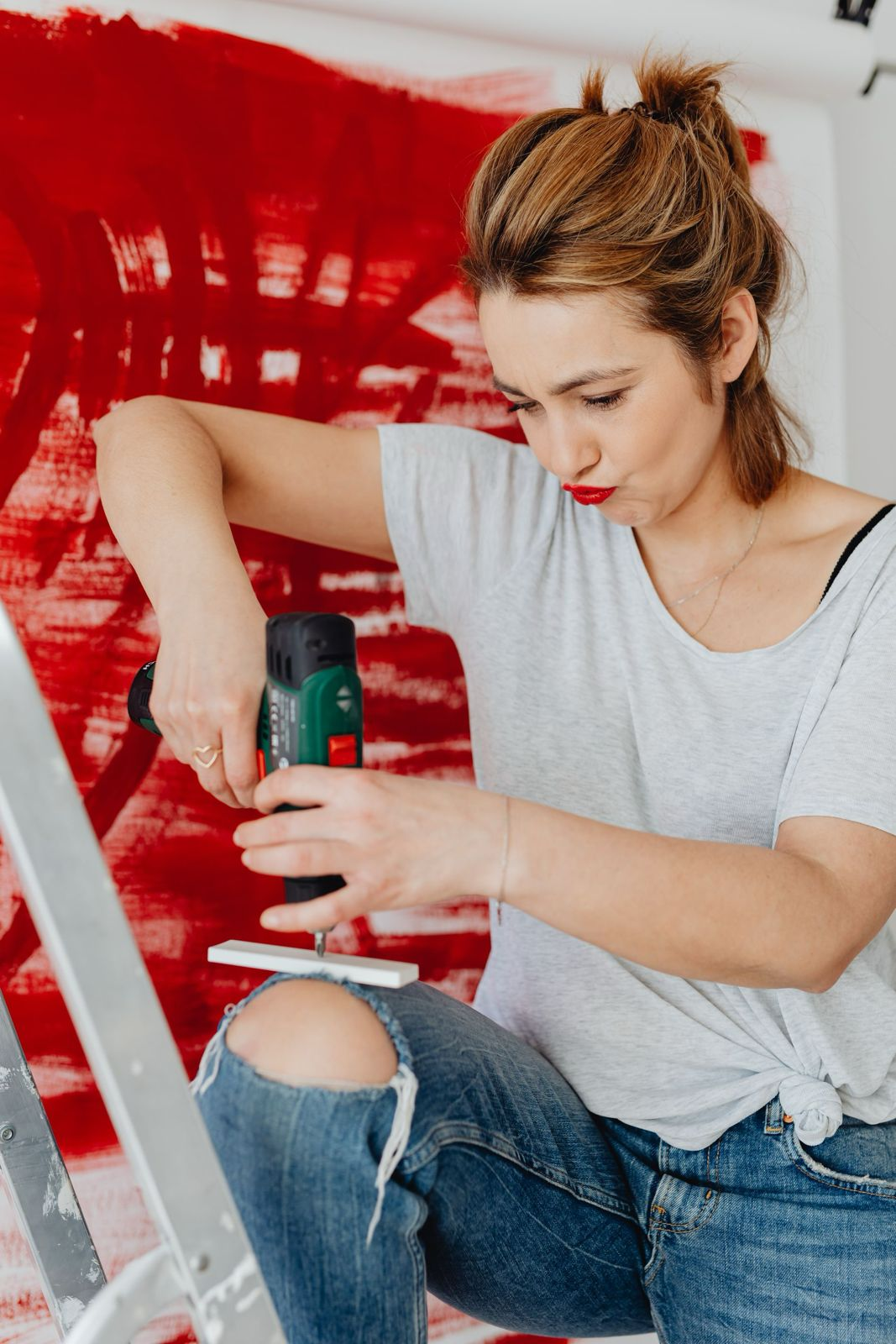
Not every problem around the house needs a contractor. Some jobs really are as simple as getting a screwdriver, a bucket, or a ladder and dealing with it before it turns into something bigger. The tricky part is knowing which jobs are actually safe to handle yourself. A loose cabinet hinge is one thing. Opening up an electrical panel is a very different situation.
A good rule is pretty simple: handle the small, visible problems when they’re within your ability, and don’t try to prove a point when the job involves serious risk.
Start with the Small Stuff
A lot of home repairs are not complicated. They’re just annoying, which is usually why they get ignored. Take loose cabinet doors. If a hinge has started moving, tightening the screws may be all that’s needed. If the screws no longer hold because the hole has become worn, that needs a little more attention. Simply forcing a bigger screw into it can sometimes make the problem worse.
The same goes for doors and windows. Over time, old caulk may peel away, split, or create gaps. Most relatively handy homeowners can handle the task of removing the old material, thoroughly cleaning the surface, and applying a fresh bead of caulk. It may seem insignificant, but little things do matter. Because most of the times, drafts and water often find the openings that others miss.
Don’t Forget the Gutters
Gutters are one of those parts of a house that’re easy to forget until they stop doing their job. Leaves, dirt and other debris build up, especially after windy weather or around trees. Once the water cannot move through properly, it starts spilling over the sides instead of being directed away from the house.
Cleaning them can be a DIY job, but there’s an obvious catch: working at height. Use a stable ladder, don’t stretch too far to reach another section, and ideally have someone around while the work is being done. If the roof is steep or getting to the gutters means taking unnecessary risks, calling someone is the better choice. There’s no prize for cleaning a gutter yourself if the alternative is ending up in hospital.
Air Filters Are Easy to Forget
Heating and cooling systems also need some basic attention. As directed by the manufacturer, air filters should be inspected, changed, or cleaned. The system may have to work harder if the filter is unclean. In order to maintain the HVAC systems to work properly, the U.S. Department of Energy also advises routine filter maintenance. This is one of those five-minute tasks that is overlooked since nothing seems out of the ordinary.
Ventilation should be checked too. Bathroom fans, kitchen exhausts and accessible vents collect dust and grease over time. If airflow seems weaker than usual, that’s worth looking into.
Moisture is another. Don’t simply clean it and go on if there’s condensation near windows, a wet spot on the wall, or that recurring musty odour. Behind it, there can be a ventilation issue or leak.
Some Small Repairs Need the Right Tool
Not every DIY job can be solved with the basic toolbox. Small mechanical repairs are a good example. A damaged thread in a metal component might need to be cleaned or restored rather than simply forced back together.
This is where having the correct specialist tool matters. A tap wrench can be used to hold and turn a hand tap when working on internal threads. It’s obviously not an everyday household tool, but for someone who regularly works on metal hardware or keeps a more complete home workshop, it can be useful to have around.
The important thing here is not to force it. If a tap suddenly becomes difficult to turn, stop and check what’s happening. Pushing harder isn’t always the solution. It can damage the thread, the work piece, or even the tool itself.
Know When a DIY Job Has Gone Too Far
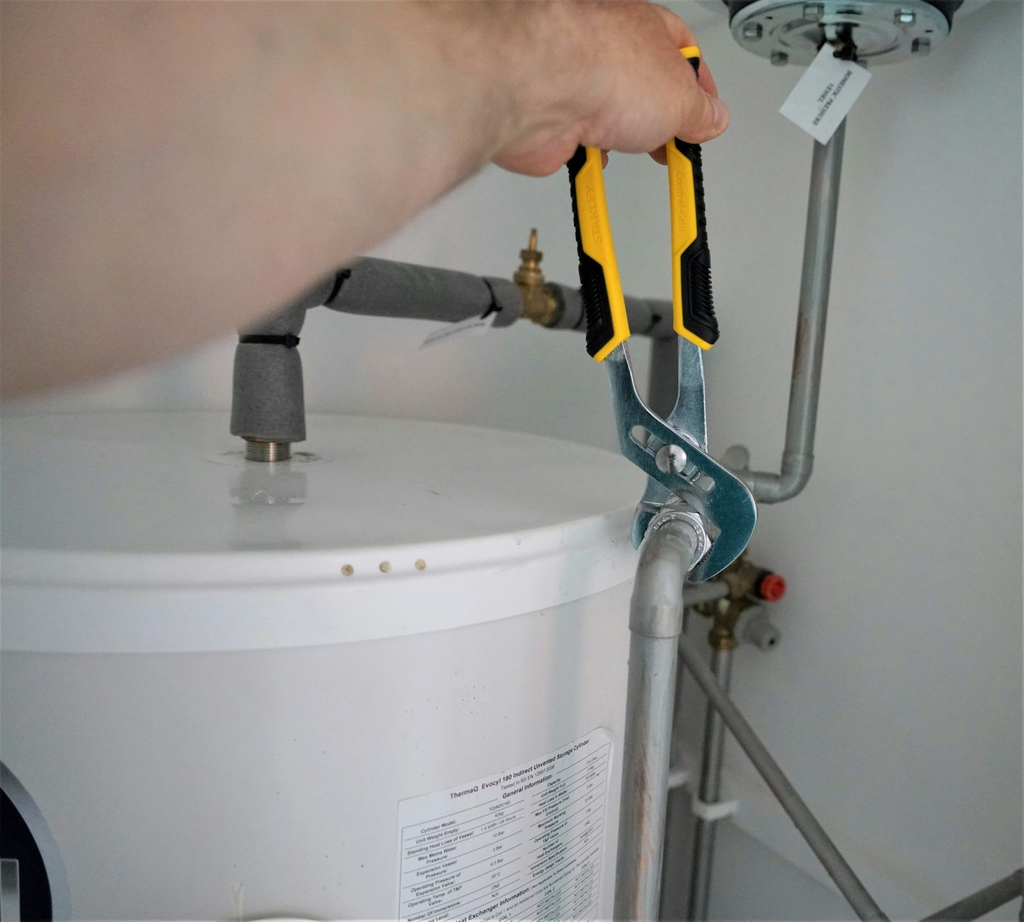
There’re jobs where DIY confidence can become a problem. Major electrical work is one of them. Gas appliances are another. Structural walls, serious roof repairs and main sewer problems should generally be left to people who actually work with those systems. Even plumbing can get complicated surprisingly quickly. Replacing an accessible fixture is very different from dealing with a corroded pipe hidden behind a wall.
A useful way to judge it is to think about what happens if something goes wrong. If the worst outcome is a crooked shelf, that’s probably manageable. If the worst outcome is a gas leak, electrical fire, major flood or structural damage, it’s probably time to call someone qualified.
The Point Is to Prevent Bigger Problems
Home maintenance isn’t really about becoming a professional handyman. It’s mostly about noticing things before they become expensive.
Check the filters. Look under sinks occasionally. Clean the gutters. Pay attention to strange smells, damp spots, dripping sounds and hardware that suddenly feels loose. And when something looks different from how it normally does, don’t automatically assume it will fix itself.
The EPA recommends dealing with water leaks and drying wet materials promptly because prolonged moisture can contribute to mould growth. That’s really what sensible DIY maintenance comes down to. Deal with the easy stuff while it’s still easy. Keep the right tools around for the jobs that genuinely make sense to handle yourself. And, perhaps most importantly, know when a repair has moved beyond the point where YouTube and a toolbox are enough. There’s nothing wrong with doing a job yourself. There’s also nothing wrong with knowing when not to.