Dennis Basso Net Worth: Career, Business, And Sources Of Wealth
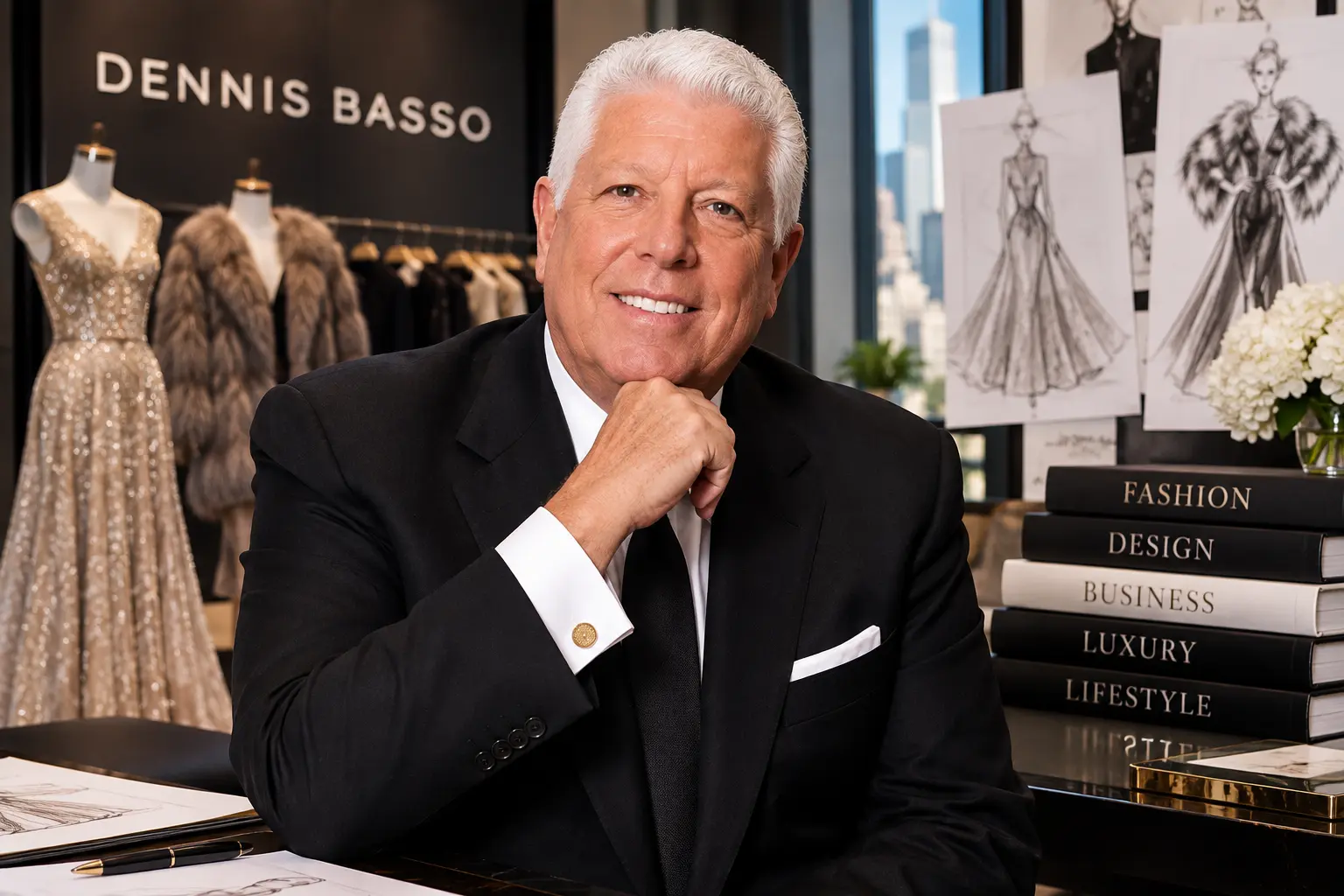
Dennis Basso built a decades-long career in American fashion through luxury fur, ready-to-wear collections, retail stores, bridal designs, and television shopping. His business expanded from a New York fashion label into a recognizable international brand.
Unlike celebrities whose wealth mainly comes from acting or sports, Basso developed his financial position through fashion design and commercial ventures. His relationship with QVC also helped introduce his designs to a much larger consumer audience.
Basso’s exact personal fortune is not publicly verified by major financial publications such as Forbes or Bloomberg. Therefore, estimates should be treated carefully rather than presented as confirmed financial figures.
His documented achievements still provide substantial evidence of commercial success. More than four decades in fashion, international retail, celebrity clients, and millions of QVC sales units form the strongest basis for understanding his wealth.
The Rise To Power: Dennis Basso
Early Life And Fashion Education
Dennis Basso developed his professional interests around fashion before establishing his namesake business in New York. He attended The Catholic University of America and later studied at the Fashion Institute of Technology.
His education at FIT became particularly significant later in his career. The institution eventually awarded Basso an honorary doctorate in 2013 for his achievements within fashion and business.
Those academic experiences complemented his practical understanding of luxury clothing and fur design. Basso eventually combined technical knowledge with commercial instincts that helped him establish a recognizable fashion identity.
Launching The Dennis Basso Brand
Basso launched his own fashion business in 1983 when he was 28 years old. His first fashion show took place at New York’s Regency Hotel in September that year.
His approach to fur helped differentiate the brand from traditional furriers. Basso treated fur more like fabric, creating flowing silhouettes, lighter garments, vibrant colors, and more fashion-oriented shapes.
The strategy helped position him within New York’s luxury fashion community. His collections eventually expanded beyond fur into ready-to-wear, eveningwear, accessories, bridal designs, and home products.
Establishing A Luxury Fashion Business
Basso’s business grew through a combination of fashion shows, private clients, retail expansion, celebrity exposure, and commercial partnerships. His designs attracted affluent customers and prominent figures from entertainment, politics, and society.
He became associated with clients including Elizabeth Taylor, Michelle Obama, Hillary Clinton, Jennifer Lopez, Helen Mirren, Naomi Campbell, and Nicole Kidman. Celebrity visibility helped reinforce the brand’s luxury positioning.
The business eventually developed an international profile rather than remaining concentrated in New York. That expansion created additional opportunities through retail locations and partnerships with major department stores.
Major Career Milestones That Built His Wealth
Expanding Into Ready-To-Wear
Basso gradually moved beyond traditional fur into broader fashion categories. Ready-to-wear allowed the company to reach consumers through dresses, outerwear, separates, accessories, and seasonal collections.
This expansion reduced the brand’s dependence on a single product category. It also allowed Basso to participate in several areas of luxury and contemporary fashion.
His designs increasingly incorporated different materials and silhouettes while retaining the distinctive aesthetic associated with his name. The broader portfolio helped the business remain relevant as consumer preferences changed.
Opening High-Profile Retail Locations
Basso opened his first freestanding boutique at The Little Nell Hotel in Aspen in 2002. He followed that opening with a Madison Avenue flagship in New York in 2003.
The retail strategy placed the brand directly in important luxury shopping environments. Physical stores also gave Basso greater control over customer experience and presentation.
In 2014, he opened a four-story flagship at 825 Madison Avenue. The approximately 10,500-square-foot townhouse provided substantial space for fur, ready-to-wear, and accessories.
Developing International Reach
Basso expanded internationally through retail partnerships, including a boutique at Harrods in London. The reported 2,400-square-foot space gave the brand access to one of the world’s best-known luxury department stores.
International retail increased brand visibility beyond American fashion markets. It also provided another channel for reaching affluent consumers outside Basso’s New York customer base.
His career therefore followed a recognizable expansion pattern. The company progressed from designer collections into retail, international distribution, accessible fashion, and broader lifestyle categories.
Dennis Basso And QVC
A Long-Term Television Shopping Partnership
One of Basso’s most important commercial relationships began with QVC in 1993. The partnership introduced his designs to consumers who might not normally shop at luxury fashion boutiques.
QVC later reported that Basso had sold more than seven million units through the platform. That figure represents a major commercial achievement for a designer whose reputation originally centered on luxury fashion.
The relationship also created a different business model from traditional couture and luxury retail. Basso could maintain a recognizable design identity while reaching customers through a large television shopping audience.
Making The Brand More Accessible
Basso’s QVC offerings expanded beyond luxury fur into faux-fur coats, jackets, dresses, blouses, pants, skirts, accessories, sleepwear, and home products. This broadened the commercial reach of his name.
The QVC business illustrates how luxury designers can build additional revenue channels without abandoning their established identity. Basso’s designs could appear in both exclusive retail environments and mass-market television commerce.
His approach offers an interesting comparison with other celebrities who developed multiple income streams. Different industries require different strategies, but commercial diversification remains important for long-term earning potential.
Recognition Through QVC
Basso’s relationship with QVC also contributed to his professional recognition. The Fashion Institute of Technology honored him as Designer of the Year while recognizing his commercial success through the platform.
QVC’s continued Dennis Basso assortment shows the durability of this business relationship. Current offerings include fashion and home categories, demonstrating that the partnership developed far beyond its original focus.
The commercial significance extends beyond individual sales. A long-running retail relationship can strengthen brand recognition, create recurring revenue opportunities, and introduce a designer to new customer groups.
Dennis Basso’s Business Ventures And Brand Expansion
Fur And Luxury Outerwear
Fur remains an important part of Basso’s professional identity and design history. His early collections helped modernize how fur could be presented within contemporary luxury fashion.
Rather than treating fur exclusively as heavy outerwear, Basso used different textures, colors, and construction techniques. This helped make fur more closely associated with fashion design and seasonal collections.
His continued presence in outerwear also reflects the commercial importance of recognizable signature products. A distinctive category can give a fashion brand a strong identity while supporting broader collections.
Bridal Fashion
Basso entered bridal fashion through an exclusive collection with Kleinfeld Bridal in 2011. The move created another category for his design business while extending his presence into luxury wedding apparel.
Gabrielle Union wore a Dennis Basso wedding gown for her 2015 wedding to Dwyane Wade. High-profile occasions such as this can provide substantial visibility for luxury designers.
Bridal fashion also differs from ordinary ready-to-wear because purchases often carry strong emotional and symbolic value. That creates opportunities for premium pricing and close relationships with customers.
Home And Lifestyle Products
Basso’s commercial interests eventually extended beyond traditional apparel. QVC has offered products associated with home living alongside fashion collections.
This expansion reflects a broader lifestyle approach to brand development. A recognizable designer name can potentially generate revenue across clothing, accessories, home products, and other consumer categories.
Such diversification also helps spread commercial exposure. If one product category experiences weaker demand, other categories can continue generating sales.
What Is Dennis Basso’s Net Worth?
Why His Exact Fortune Is Difficult To Verify
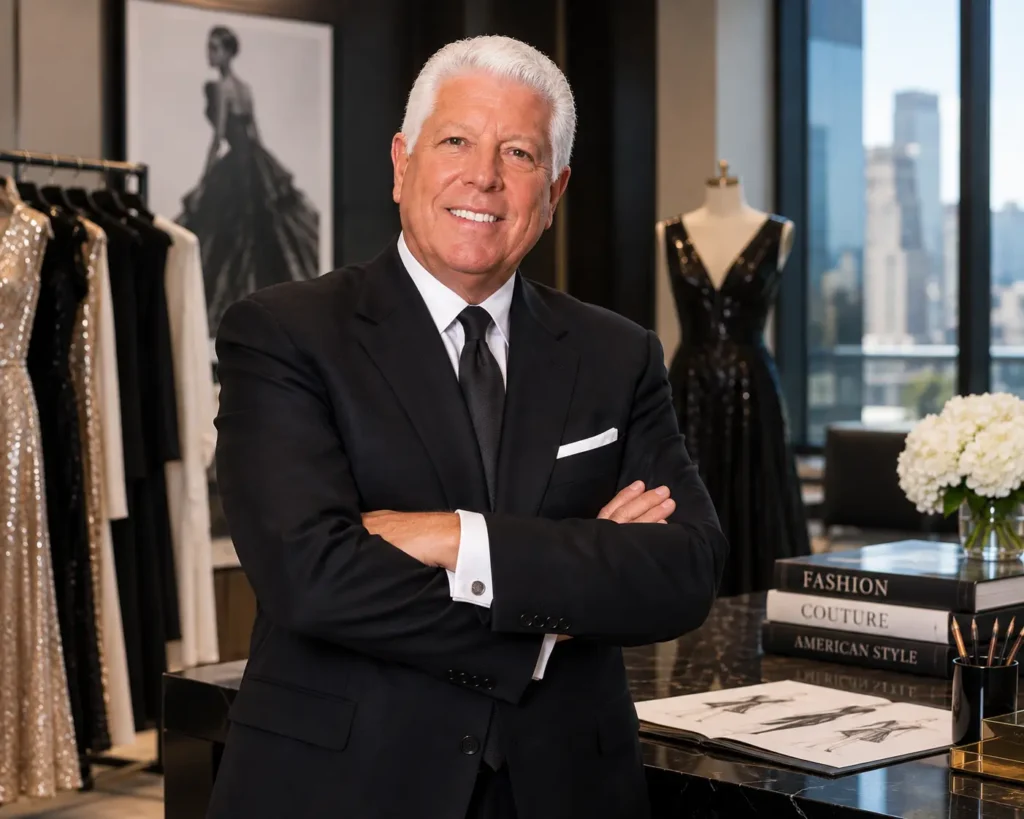
There is no widely accepted public financial filing that establishes Dennis Basso’s personal net worth. Major wealth publications have not provided a definitive figure comparable to those available for publicly traded-company founders.
Online estimates vary because private fashion businesses rarely disclose detailed personal financial information. Revenue, profit, ownership percentages, property holdings, taxes, investments, and personal expenses are generally not publicly available.
For that reason, any specific net worth number should be described as an estimate. A responsible assessment should instead focus on documented business achievements and known commercial relationships.
The Evidence Behind His Wealth
Several measurable factors demonstrate the scale of Basso’s career. His company has operated since 1983, while his QVC relationship dates back to 1993.
QVC reported more than seven million units sold through its platform. His retail expansion included Aspen, Madison Avenue, and Harrods, while his collections reached international luxury customers.
These achievements suggest a substantial and sustained fashion business. However, they do not provide enough information to calculate Basso’s personal fortune with financial precision.
Multiple Sources Of Commercial Income
Basso’s potential income sources have included fashion collections, retail sales, QVC products, licensing, bridal fashion, accessories, and other brand-related activities. His long career provides multiple avenues for generating revenue.
Celebrity clientele and media exposure may also strengthen demand for luxury collections. However, brand visibility should not automatically be interpreted as personal wealth.
The most reliable conclusion is that Basso has built a successful fashion enterprise over several decades. His exact net worth remains uncertain because private financial information is limited.
Comparing Dennis Basso With Other High-Profile Careers
Fashion Wealth Versus Entertainment Wealth
Basso’s career differs from performers whose earnings depend primarily on film contracts, television appearances, or music royalties. His financial model centers more heavily on products, retail operations, brand ownership, and commercial partnerships.
This distinction makes comparisons with other high-profile figures useful. Carlos Slim and Jim Carrey demonstrate how dramatically different industries can produce very different forms of wealth.
Basso occupies a middle ground between creative professional and business owner. His personal name functions as both an artistic identity and a commercial brand.
Creative Reputation And Commercial Scale
Fashion designers must balance creative identity with customer demand. Basso maintained his recognizable style while expanding into categories that could support broader commercial distribution.
That balance helped him remain active through several decades of changes in fashion consumption. His ability to work across luxury retail and television shopping also widened his potential customer base.
The longevity of his career is especially important when evaluating wealth. Sustained commercial activity can be more significant than one exceptionally successful collection or retail season.
Building A Personal Brand
Basso’s name became closely associated with luxury fashion, fur, celebrity dressing, and high-end outerwear. Personal branding therefore played an important role in maintaining his commercial identity.
His career also shows how a designer can use recognition across several platforms. Fashion shows, boutiques, department stores, television commerce, celebrity clients, and bridal collections all contributed to his visibility.
This approach differs from technology entrepreneurs and corporate executives. Nevertheless, strong personal recognition can become a valuable commercial asset across many industries.
Public Influence And Philanthropy
Charity And Community Support
Basso has supported charitable organizations including the Alzheimer’s Association, Boys Town of Italy, and the Children’s Hearing Institute. His philanthropic activities have accompanied his professional career.
He and his husband, Michael Cominotto, also sponsored a chapel renovation at New York-Presbyterian Hospital. Such contributions added a philanthropic dimension to Basso’s public profile.
Charitable work does not directly establish personal wealth. However, it provides additional context when examining the public career and broader influence of a successful designer.
Influence Within American Fashion
Basso’s career spans more than four decades of American fashion. His continued presence across luxury retail and consumer commerce illustrates the durability of his professional identity.
His membership and recognition within the Council of Fashion Designers of America further connect him with the established American fashion industry. Industry recognition helped reinforce his position among prominent American designers.
Basso’s influence therefore extends beyond individual clothing collections. His career reflects the evolution of American luxury fashion from traditional fur houses toward broader lifestyle brands.
Frequently Asked Questions
What Is Dennis Basso’s Net Worth?
Dennis Basso does not have a publicly verified net worth figure from major financial publications. Online estimates vary, so any specific number should be treated as an unofficial estimate rather than confirmed wealth.
How Did Dennis Basso Make His Money?
Basso built his career through luxury fashion, fur design, ready-to-wear collections, retail stores, bridal fashion, accessories, and commercial partnerships. His long-running relationship with QVC also became an important part of his business.
When Did Dennis Basso Start His Fashion Business?
Dennis Basso launched his fashion business in 1983 when he was 28 years old. His first fashion show took place at New York’s Regency Hotel in September that year.
How Successful Is Dennis Basso On QVC?
QVC reported that Basso had sold more than seven million units through the platform. His assortment has included fashion, faux fur, accessories, and home products.
Does Dennis Basso Still Have A Fashion Brand?
Yes, the Dennis Basso name continues to appear across fashion and retail channels. QVC currently carries products associated with the brand, while his career remains connected with luxury fashion and design.
Final Takeaways
Dennis Basso built his career by combining creative fashion design with business expansion across luxury retail, television commerce, bridal fashion, and international distribution. His career began with fur but eventually developed into a broader fashion and lifestyle operation.
His exact personal net worth remains difficult to establish because private financial information is unavailable. The strongest evidence of his financial success comes from more than four decades of business activity, major retail locations, celebrity clientele, and QVC sales exceeding seven million units.